
Beautiful Plants For Your Interior
Beautiful Plants For Your Interior
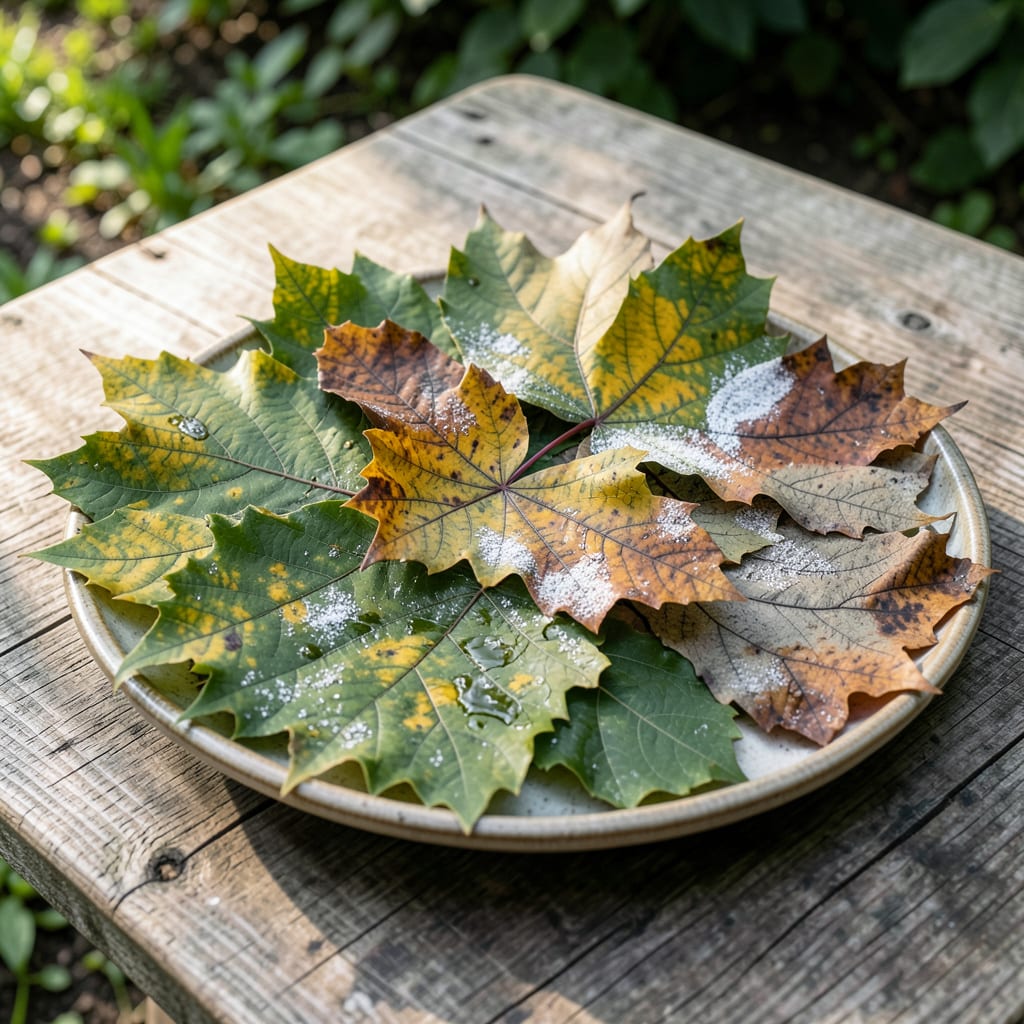
Spotted, curled, or discolored leaves tell a story before the damage spreads. I learned to read these signs after losing a favorite maple—now I catch problems early with just a close look and the right knowledge.
This approach saves weeks of treatment time and keeps trees healthy without harsh chemicals. You’ll identify the issue by pattern, color, and leaf location, then apply targeted solutions that actually work.
📚 In This Guide
Here’s the method I use to diagnose and treat leaf diseases before they spread through the canopy.
Start by identifying whether the damage appears on new growth, mature leaves, or both. I look for distinctive patterns like spots, blotches, or margin burns which often indicate fungal or bacterial infections. Note if the discoloration is localized or spreading across the leaf surface.
Check the undersides of leaves for powdery mildew, rust pustules, or tiny black dots (spores). These visual cues often reveal the type of pathogen at work. I always use a hand lens for this—many early signs are invisible to the naked eye.
Evaluate the tree’s growing conditions, as many leaf diseases thrive in specific environments. I look for signs of overhead watering, poor air circulation, or high humidity which create ideal conditions for fungal spores to germinate. Wet foliage for 6+ hours often triggers outbreaks.
Note if the tree is planted in compacted soil or receiving insufficient light. Stress from these factors weakens trees, making them more susceptible to infection. I’ve found that trees in full sun with good drainage rarely develop severe leaf diseases.
Remove and destroy all infected leaves and fallen debris immediately to prevent the pathogen from spreading. I use sterilized pruning shears and make cuts in dry weather to minimize exposure. Never compost diseased material—this can reintroduce the pathogen to your garden.
Improve air circulation by thinning crowded branches and spacing plants appropriately. I aim for at least 12-18 inches between canopies to allow airflow. Avoid overhead irrigation; instead, water at the base of the tree to keep foliage dry.
For fungal issues like powdery mildew or leaf spot, apply a copper-based fungicide or neem oil at the first sign of infection. I spray in the early morning when temperatures are below 85°F to prevent leaf burn. Always follow label rates—overapplication can harm beneficial organisms.
For bacterial diseases, which often appear as water-soaked spots or angular lesions, copper sprays can help, but removal of infected tissue is more effective. I’ve found that bacterial infections often require multiple applications spaced 7-10 days apart for control.
After treatment, observe the tree for 2-3 weeks to gauge effectiveness. I look for new healthy growth and a halt in the spread of symptoms. If the disease persists, consider adjusting your approach or consulting a local extension service for diagnosis.
Strengthen the tree’s natural defenses by maintaining proper watering, fertilization, and mulching practices. A healthy tree is less likely to succumb to disease. I apply a 2-3 inch layer of mulch around the base to retain moisture and suppress competing weeds.
Here are the key insights I’ve gathered from years of diagnosing and treating leaf diseases in trees.
Diagnostic Precision: In Step 1, the difference between fungal and bacterial infections often comes down to the pattern details. Fungal issues typically present with circular spots or powdery coatings, while bacterial infections show as water-soaked or angular lesions. I’ve found that using a hand lens reveals these distinctions clearly—many early infections are invisible otherwise.
Environmental Awareness: Step 2’s emphasis on the 6+ hour wet foliage window is critical. Fungal spores can germinate within this timeframe, so adjusting your watering schedule to avoid evening irrigation can prevent outbreaks before they start. Trees in full sun with proper drainage, as mentioned, show remarkable resistance to leaf diseases.
Treatment Timing: For Step 4’s fungicide applications, the early morning timing when temperatures are below 85°F isn’t arbitrary. This prevents leaf burn from the treatment itself while allowing the solution to dry before the day’s heat sets in. I’ve learned that multiple applications spaced 7-10 days apart are often necessary for bacterial issues to fully interrupt the disease cycle.
Monitoring Protocol: The 2-3 week observation period in Step 5 is your best indicator of treatment success. Look for new healthy growth as a positive sign, but don’t be discouraged if improvement seems slow—tree recovery is a gradual process. Maintaining that 2-3 inch mulch layer helps prevent reinfection while supporting the tree’s recovery.
Look for spots, discoloration, or unusual patterns. Brown or black spots may indicate fungal infections like anthracnose, while yellowing often signals nutrient deficiencies or pests. Use a magnifying glass to check for tiny insects or spores.
Early intervention is key! Treat at the first sign of trouble, typically in spring or early summer when leaves are new and diseases spread quickly. Avoid treating during extreme heat or drought.
Yes! A mix of baking soda, water, and a drop of dish soap can combat fungal issues. Neem oil is another natural option for pests. However, severe cases may require commercial fungicides or insecticides.
Yellowing can persist if the disease is advanced or if the tree is stressed by poor soil, overwatering, or root damage. Check environmental factors and ensure proper care alongside treatments.
