
Beautiful Plants For Your Interior
Beautiful Plants For Your Interior
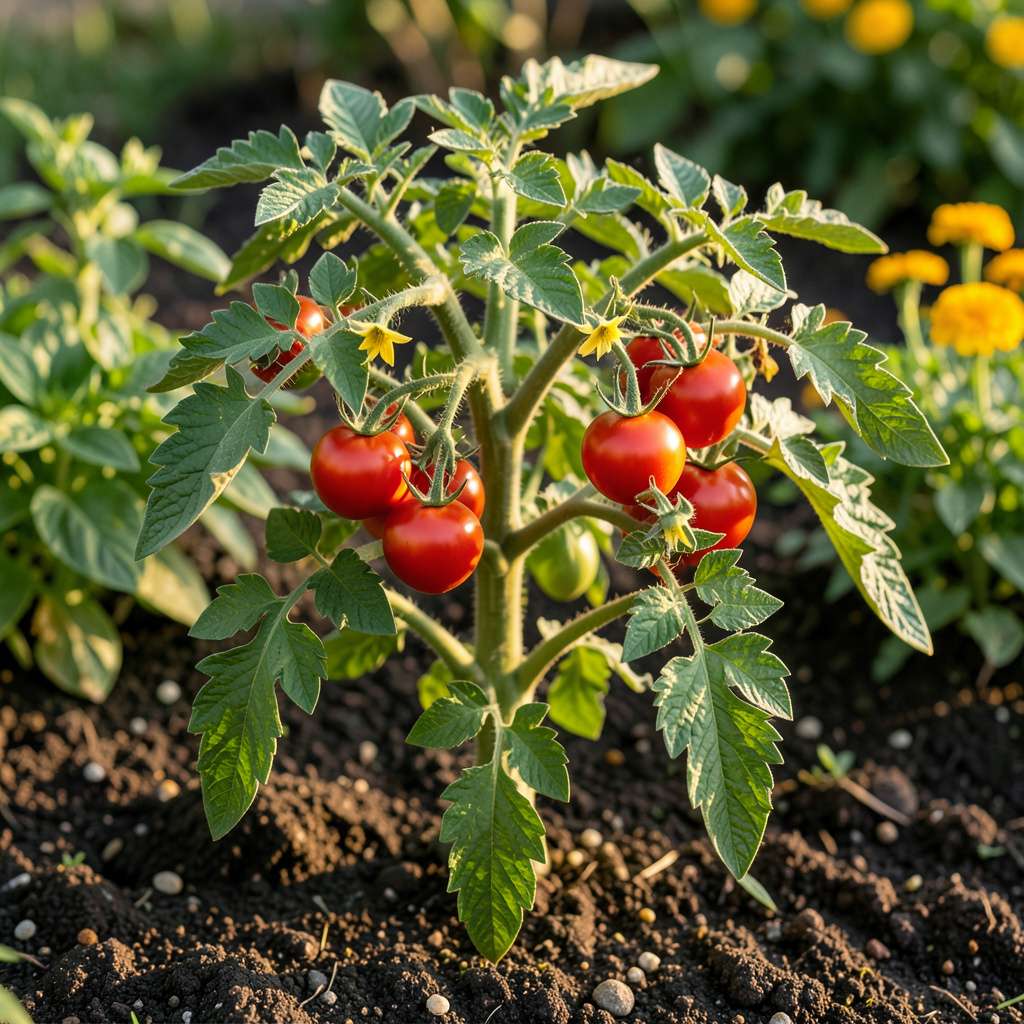
The translucent small clear worm is likely a root-lesion nematode or clear tip nematode, which damages plant roots. Control methods include crop rotation, resistant plant varieties, and soil solarization.
These tiny pests can wreak havoc on your plants by feeding on their roots, ultimately leading to stunted growth and reduced yields. 🌱 I find that recognizing the signs early can make all the difference. Implementing practices like rotating your crops or selecting resistant varieties can significantly reduce their impact on your garden. Additionally, methods such as soil solarization help eliminate these pests naturally without harsh chemicals.
💡 In This Article
Recognizing the specific type of translucent worm in your garden soil is crucial for effective management. These small pests are primarily root-lesion nematodes, which thrive in moist, warm conditions and can be identified by their slim, clear bodies measuring about 0.5-1 mm in length. 🔍
Understanding their lifecycle is essential. Root-lesion nematodes reproduce quickly, with females laying up to 200 eggs in their short lifespan of about 4-6 weeks. The eggs hatch into juvenile nematodes that then invade plant roots, feeding on them and leading to significant damage.
This feeding can result in symptoms like wilting and stunted growth in affected plants. 🌱
The damage these nematodes inflict on plant roots is often misunderstood. By feeding on the root tips, they cause lesions that inhibit nutrient and water uptake. This can lead to yellowing leaves and poor fruit development, significantly affecting your garden’s yield.
For instance, crops like carrots and potatoes are particularly vulnerable, as their root systems are prime targets. 🥕
To distinguish these nematodes from other soil pests, look for the characteristic lesions on roots and the presence of poor plant health. Using a magnifying glass can help confirm their presence by revealing their unique shape and size. Additionally, observing the overall condition of your plants can provide clues about nematode infestation. 🌿
Implementing practices like crop rotation and selecting resistant plant varieties can help mitigate the impact of these pests. For example, rotating your crops every season with non-host plants disrupts the nematode lifecycle, reducing their population over time. This proactive approach is vital for maintaining a healthy garden ecosystem. 🔄
