
Beautiful Plants For Your Interior
Beautiful Plants For Your Interior
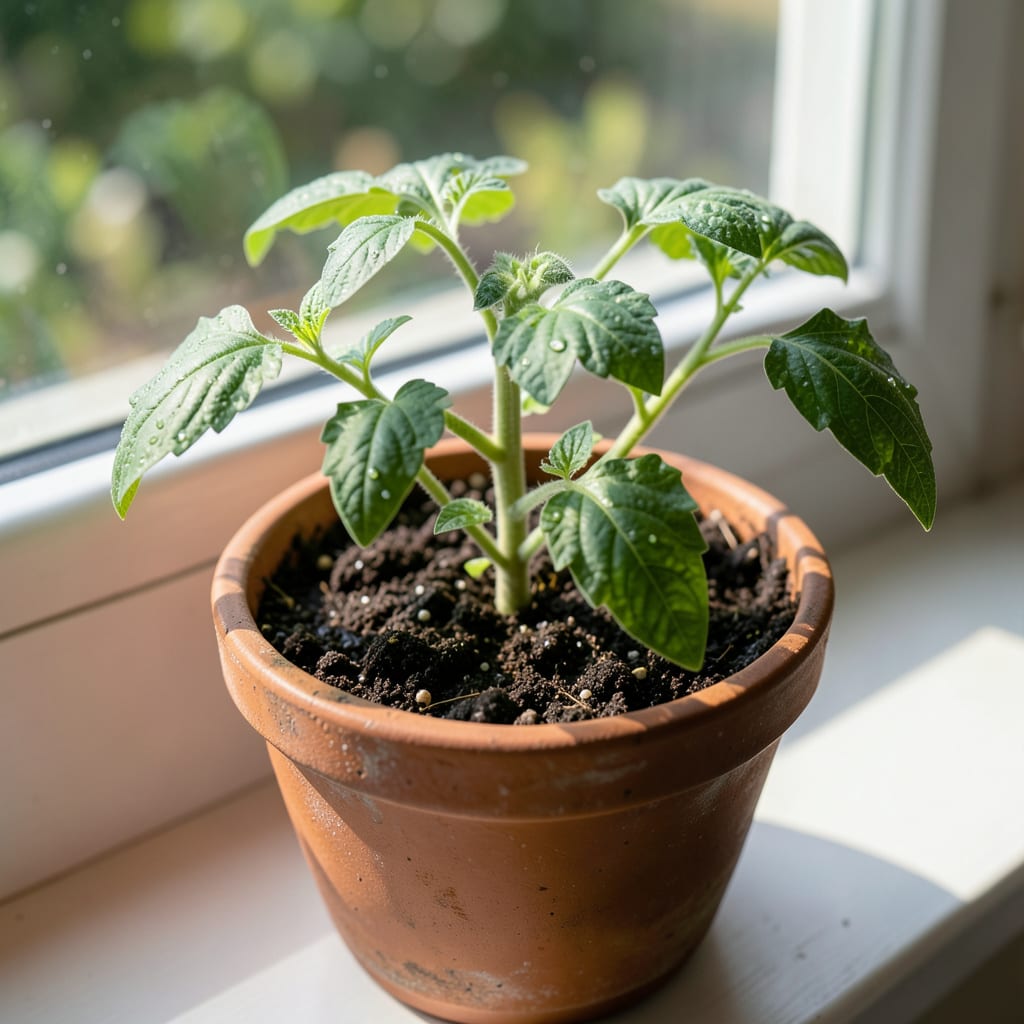
Watching tomato seedlings curl their leaves feels like a garden emergency. 🌱 I’ve been there—overwatering one week, underwatering the next, until I realized most curling comes from simple environmental stress.
The usual suspects? Too much water, not enough humidity, or temperature swings. Even gentle breezes from a fan can cause edges to roll. The good news: seedlings recover fast once you fix the root problem.
You’ll see leaves unfurl within 24-48 hours of adjusting conditions. No fancy treatments needed—just better observation and a few tweaks to your setup.
Prevention is easier than cure. Consistent moisture, stable temps, and gentle air flow keep new growth strong from the start.
Understanding why your tomato seedlings have curling leaves starts with identifying the root causes. Here are the most common reasons, explained clearly:
Tomato seedlings thrive in temperatures between 70–85°F (21–29°C). When exposed to extreme heat (especially above 90°F/32°C), the plant conserves moisture by curling its leaves to reduce surface area. This is a survival mechanism to prevent water loss through transpiration.
Inconsistent watering disrupts the plant’s turgor pressure. Underwatering causes leaves to curl inward as the plant tries to retain moisture. Overwatering, on the other hand, suffocates roots, leading to poor nutrient uptake and leaf curling as a stress response. Aim for moist, not soggy, soil.
Pests like aphids, whiteflies, or spider mites suck sap from the leaves, causing dehydration and curling. Check the undersides of leaves for tiny insects or webbing. Aphids also excrete honeydew, which can lead to sooty mold, further stressing the plant.
A lack of magnesium, calcium, or potassium can cause leaf curling. For example, magnesium deficiency (common in sandy soils) leads to interveinal chlorosis and upward curling. Calcium deficiency often causes new leaves to curl and distort due to impaired cell wall development.
Strong winds or mechanical damage (e.g., brushing against leaves) can cause physical stress, leading to curling as the plant attempts to protect itself. This is often temporary but can stunt growth if persistent.
Don’t panic when your tomato seedlings start curling their leaves—most causes are fixable with a few simple adjustments. Below are targeted solutions for the most common triggers, plus prevention tips to keep your plants thriving.
If your seedlings are baking under direct sunlight or sitting near heat sources, move them to a shadier spot or use a shade cloth to diffuse intense light. Aim for temperatures between 70–85°F during the day. Prevention tip: 💡 Start seedlings indoors or in a greenhouse to control temperature before transplanting.
Check the soil moisture by sticking your finger an inch deep. If it’s bone-dry, water gently at the base (avoid wetting leaves). If it’s soggy, let it dry out and improve drainage by adding perlite to the soil. Prevention tip: ✨ Use a moisture meter to avoid guesswork and water consistently—early morning is best.
Dry air can cause leaf edges to curl. Mist your seedlings lightly or place a tray of water near them to increase humidity. Grouping plants together also helps. Prevention tip: 🎯 Use a humidifier in indoor setups or grow in a controlled environment like a greenhouse.
Inspect the undersides of leaves for aphids, whiteflies, or spider mites. Blast them off with water or apply neem oil or insecticidal soap. Prevention tip: 🔥 Introduce beneficial insects like ladybugs and keep your garden clean to deter pests.
Yellowing leaves with curling often signal a lack of magnesium or potassium. Use a balanced fertilizer or add compost tea. For calcium deficiency (new growth curls), crush eggshells into the soil. Prevention tip: 🌱 Test your soil before planting and amend as needed for optimal nutrition.
Most seedlings show improvement within 24-48 hours of correcting the problem. Leaves typically unfurl as the plant regenerates turgor pressure. Severe cases may take 3-5 days for full recovery.
Yes, too much fertilizer creates salt buildup in soil, which damages roots and prevents water uptake. Always follow package instructions and flush soil with water if you suspect over-fertilization.
Only trim leaves that are brown or crispy. Green curled leaves will often recover once conditions improve. Removing healthy leaves reduces the plant’s ability to photosynthesize.
Not always. Some varieties naturally curl slightly during new growth. But sudden or widespread curling usually indicates stress. Compare with healthy plants of the same variety.
