
Beautiful Plants For Your Interior
Beautiful Plants For Your Interior
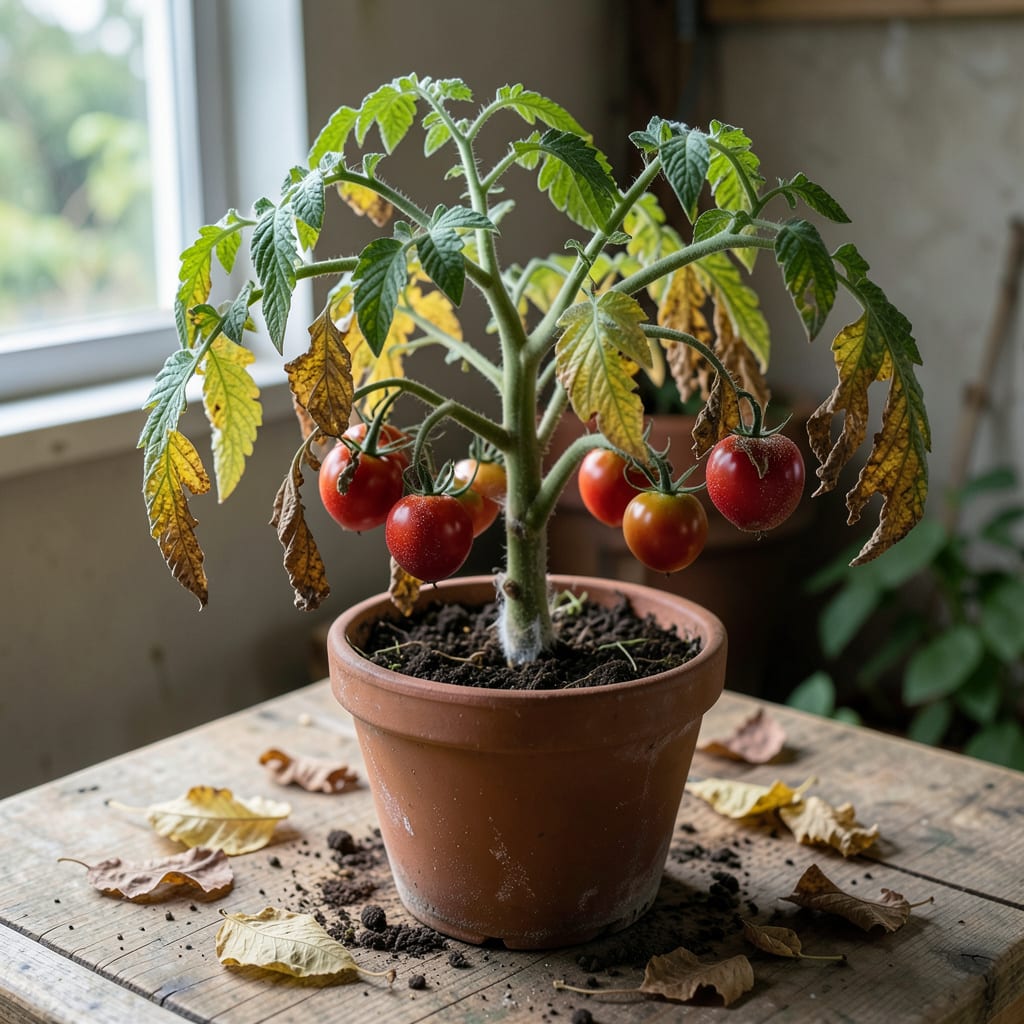
Nothing deflates a gardener faster than watching healthy tomato plants suddenly droop overnight. I’ve lost entire crops to wilt before realizing it’s often preventable with the right knowledge.
This silent killer hits fast, turning vibrant vines into limp, yellowing messes within days. The culprits range from fungal infections to water stress, but the symptoms always look the same—sagging leaves, stunted growth, and a sinking feeling in your stomach.
Recovery starts with quick diagnosis. Whether it’s fusarium, verticillium, or just thirsty roots, the fix often involves removing affected plants, improving drainage, and adjusting your care routine. I’ve saved half my plants this way.
Prevention is simpler than you think: rotate crops, use resistant varieties, and keep the soil consistently moist. Small habits that stop wilt before it starts.
Tomato plant wilt can strike suddenly, leaving gardeners scrambling for answers. The condition often stems from multiple stressors, each disrupting the plant’s ability to absorb water and nutrients. Below are the most common scientific causes behind this frustrating issue.
Fungi like Fusarium oxysporum and Verticillium dahliae are primary culprits. These soil-borne pathogens colonize the xylem—the plant’s water-conducting vessels—blocking water flow. Infected plants often show yellowing leaves, stunted growth, and vascular discoloration (brown streaks in stems). These fungi thrive in warm, moist soil and can persist for years, making crop rotation essential.
Bacteria such as Ralstonia solanacearum (causal agent of bacterial wilt) cause rapid wilting by clogging vascular tissues. Unlike fungal wilt, bacterial infections often spread quickly in warm, waterlogged conditions, leading to sudden collapse. Look for white, milky ooze from cut stems—a telltale sign of bacterial involvement.
Insects like whiteflies, aphids, and nematodes weaken plants by feeding on sap or roots, reducing their ability to uptake water. Root-knot nematodes, for example, disrupt root function, while aphids can transmit viruses that exacerbate wilting. Regularly inspect the undersides of leaves and soil for early detection.
Extreme heat, drought, or overwatering can all trigger wilting. Heat stress accelerates transpiration, overwhelming the plant’s water supply, while overwatering suffocates roots, leading to rot and poor nutrient absorption. Ideally, maintain consistent soil moisture (1–2 inches of water per week) and use mulch to regulate temperature.
A lack of calcium, potassium, or magnesium can impair cellular function, making plants more susceptible to wilt. For instance, blossom end rot (linked to calcium deficiency) often co-occurs with wilting. Conduct a soil test and amend with balanced fertilizers to prevent imbalances.
When your tomato plants start to wilt, quick and targeted action can save them. Below are practical fixes for the most common causes, along with prevention tips to keep your garden thriving. 🌱
If fungal wilt is the culprit, remove and destroy infected plants immediately to prevent spread. Do not compost them. Rotate crops next season, avoiding tomatoes, potatoes, or peppers in the same spot. Plant resistant varieties like Celebrity or Better Boy in the future. Solarize soil before planting by covering it with clear plastic for 4-6 weeks to kill fungal spores.
Check soil moisture 2 inches deep—it should feel like a wrung-out sponge. Water deeply but less frequently (1-2 inches per week) to encourage strong roots. Use drip irrigation or soaker hoses to keep foliage dry and prevent fungal growth. Mulch with straw to retain moisture and prevent soil splashing onto leaves.
Pro tip: 💡 Water in the early morning to allow excess moisture to evaporate during the day.
Spray plants with neem oil or insecticidal soap to eliminate pests. Introduce beneficial insects like ladybugs or lacewings to keep populations in check. Remove heavily infested leaves or plants to prevent further damage. Encourage biodiversity in your garden to naturally deter pests.
During extreme heat, use shade cloth (30-50% shade) to protect plants during peak sunlight hours. Ensure good air circulation by pruning excess foliage. Keep soil consistently moist to help plants cope with stress. Avoid fertilizing during heatwaves, as it can worsen stress.
Test your soil to identify deficiencies. For nitrogen deficiency (yellowing leaves), use a balanced fertilizer (10-10-10). For calcium deficiency (blossom end rot), add crushed eggshells or lime to the soil. Avoid over-fertilizing, which can lead to salt buildup and further stress.
Prevention across the board: Start with healthy, disease-resistant seeds or seedlings. Keep your garden clean, remove debris, and practice crop rotation. Healthy soil and consistent care are your best defenses against wilt! ✨
Disease-wilted plants often show yellowing or brown streaks in stems, while thirsty plants perk up after watering. If wilting persists 24 hours after watering, suspect disease.
For fungal/bacterial wilt, removing leaves won’t help—you must pull the entire plant. For pests, pruning infested leaves can prevent further damage. Always sterilize tools after use.
Move them to shade immediately and water deeply at the base. Avoid wetting leaves. Most recover within 2-3 hours if caught early.
Only after solarizing it for 4-6 weeks to kill pathogens. Otherwise, rotate to non-solanaceous crops for 3 years to break disease cycles.
