
Beautiful Plants For Your Interior
Beautiful Plants For Your Interior
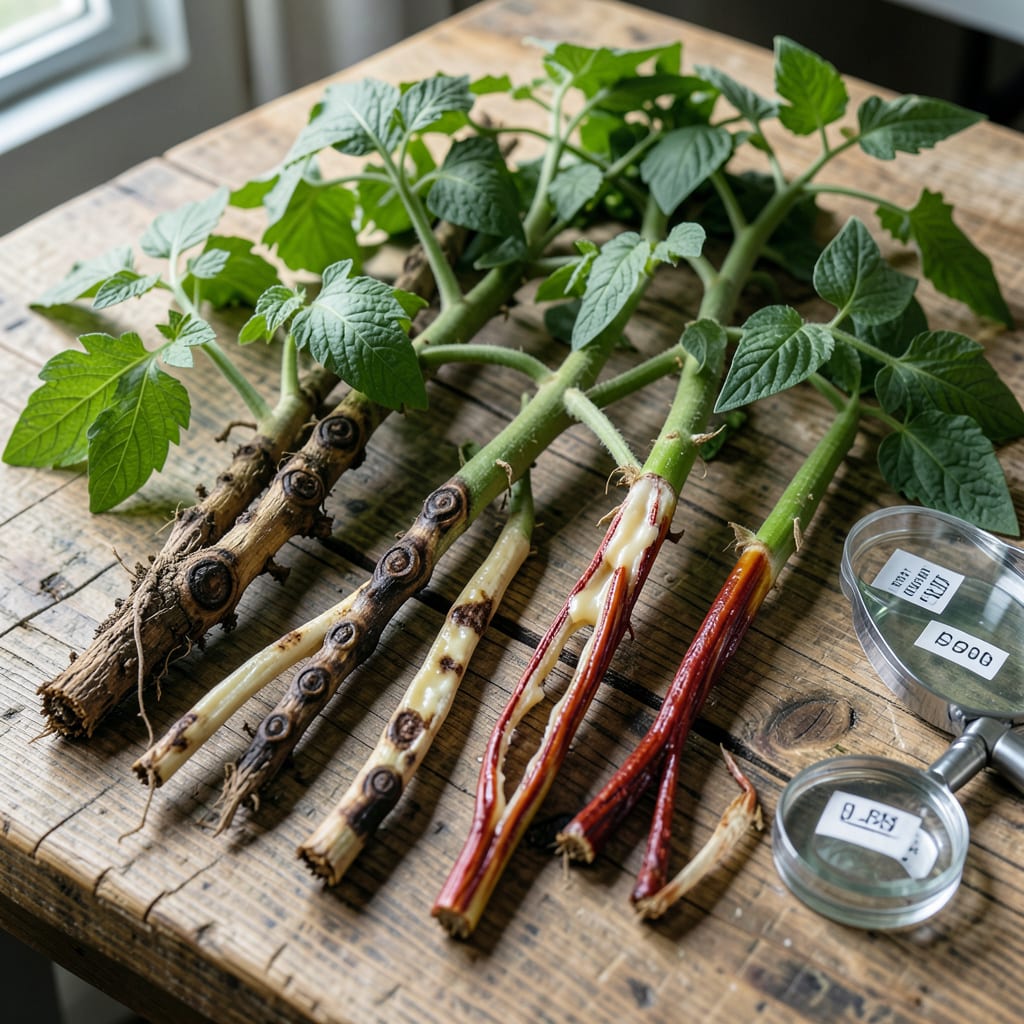
Nothing ruins a tomato season faster than spotting dark streaks on your plant stems. I’ve lost entire crops to stem diseases that started as subtle discoloration before spreading like wildfire through my garden beds.
Early detection is everything. Catching these issues at the first sign—a brown spot, cracked stem, or wilting leaves—can mean the difference between saving your plants and starting over from seed. The good news? Most can be treated with simple, targeted solutions.
Prevention works better than cure. Proper spacing, crop rotation, and resistant varieties stop problems before they begin. I learned this the hard way after replanting tomatoes in the same spot for three years straight.
You’ll find your plants bounce back faster when you know exactly what you’re dealing with. Here’s how to identify and fix these issues for good.
Understanding why tomato plant stem diseases occur is the first step toward prevention and treatment. These issues often stem from a combination of environmental, biological, and cultural factors. Below are the primary causes, explained in detail.
Many stem diseases, such as Fusarium wilt and Verticillium wilt, are caused by soil-borne fungi. These pathogens thrive in warm, moist conditions and enter the plant through the roots, blocking the vascular system. Poor soil drainage or overwatering exacerbates fungal growth.
Bacteria like Pseudomonas and Xanthomonas can lead to stem cankers or bacterial wilt. They spread through contaminated tools, water, or infected plant debris. High humidity and wounds on the stem (from pruning or insects) create entry points for bacteria.
Insects such as aphids, whiteflies, or beetles weaken stems by feeding on plant tissues or transmitting viruses. Their feeding wounds also invite secondary infections from fungi or bacteria.
Extreme temperatures, drought, or excessive moisture stress the plant, making it more susceptible to disease. For example, cold shocks can predispose stems to Phytophthora blight, while heat stress may trigger stem cracking, inviting pathogens.
Overcrowding plants, improper pruning, or using contaminated soil/tools can spread diseases. Lack of crop rotation also allows pathogens to persist in the soil, infecting new plants season after season.
Tackling tomato plant stem diseases starts with quick action and smart habits. Below are practical fixes mapped to common causes, plus prevention tips to keep your plants thriving. 🌱✨
If leaves yellow and wilt in sections (often one side of the plant), the soil may harbor Fusarium or Verticillium fungi. Pull and destroy infected plants immediately—don’t compost them. Rotate crops next season; avoid planting tomatoes, potatoes, or peppers in the same spot for at least 3 years. Choose resistant varieties labeled _VF_ (Verticillium and Fusarium resistant).
Dark spots with concentric rings on stems or leaves signal fungal infections. Prune affected areas with sterilized shears (dip in rubbing alcohol between cuts). Improve airflow by spacing plants 2–3 feet apart. Apply copper fungicide or a baking soda spray (1 tsp baking soda + 1 quart water + a drop of soap) weekly at first signs. Prevention tip: Water at the base to keep foliage dry. 💡
Oozing cankers or white streaks inside stems? Bacterial canker spreads fast. Remove infected plants and sanitize tools with a 10% bleach solution. Avoid overhead watering and work with plants when they’re dry to limit spread. Prevent future outbreaks by using certified disease-free seeds and disinfecting stakes or cages yearly. ✨
Though not a stem disease, dark, sunken spots on fruit often appear alongside stem stress. Test soil—if calcium is low, add crushed eggshells or gypsum. Keep soil moisture consistent (mulch helps!) to prevent calcium uptake issues. Pro tip: Avoid high-nitrogen fertilizers, which can block calcium absorption. 🎯
Universal Prevention:
Look for dark streaks, cracks, or sunken lesions on stems. Yellowing leaves on one side or wilting despite watering are also red flags. Early detection is key to stopping the spread.
Remove infected stems immediately with sterilized pruners. If the main stem is affected, pull the entire plant to protect others. Sanitize tools and avoid composting diseased material.
Rotate crops yearly, space plants 2-3 feet apart, and use drip irrigation. Choose resistant varieties labeled _VFN_ and disinfect tools between uses.
