
Beautiful Plants For Your Interior
Beautiful Plants For Your Interior
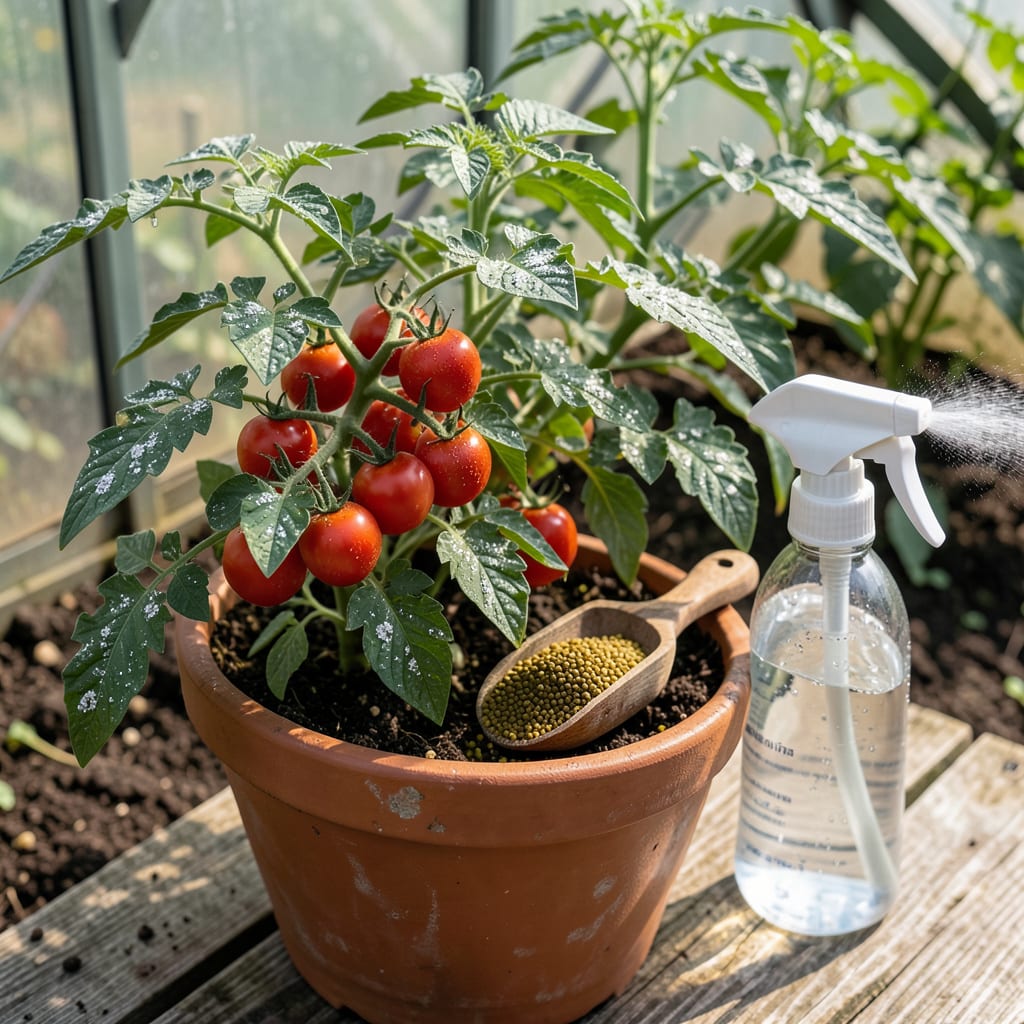
Spotted brown patches on your tomato leaves? I’ve been there—watching healthy plants turn sickly overnight. Fungus spreads fast, but catching it early makes all the difference.
Most outbreaks start with poor airflow or wet foliage. I solved this by spacing plants 2-3 feet apart and watering at the base. Simple fixes, but they prevent most fungal issues before they start.
Natural remedies like copper spray or baking soda solutions work surprisingly well. I’ve saved entire crops with just a few applications. The key is consistency—treat at the first sign of trouble.
You’ll see improvement within a week if you act fast. Healthy leaves mean stronger plants and better harvests. Here’s how to keep them that way.
Tomato plants are susceptible to fungal infections due to a combination of environmental, biological, and cultural factors. Understanding these causes helps you prevent outbreaks before they start.
Fungal spores thrive in wet, humid conditions. Overhead watering, poor drainage, or crowded plantings create a damp microclimate where pathogens like Alternaria or Septoria spread rapidly. Leaves stay wet for extended periods, allowing spores to germinate and infect tissues.
Tomatoes are most vulnerable when temperatures dip below 50°F (10°C) or spike above 90°F (32°C). Cool, wet nights encourage Phytophthora infestans (late blight), while heat stress weakens plants, making them more susceptible to opportunistic fungi.
Fungal spores can linger in soil for years, especially in unrotated beds where tomatoes or nightshades were previously grown. Dirty pruners, stakes, or pots also spread pathogens from infected plants to healthy ones.
Over- or under-fertilization (particularly excess nitrogen) leads to soft, succulent growth that’s easier for fungi to penetrate. Stressed plants—due to poor nutrition, pests, or improper pruning—lack the vigor to fend off infections.
Fungal infections on tomato plants can be frustrating, but these targeted fixes will help you restore your garden’s health. Address each issue with practical solutions and prevent future outbreaks with simple adjustments to your care routine.
Start by pruning infected leaves at the first sign of brown spots with concentric rings. Remove them immediately to stop the spread. Apply a copper-based fungicide or a homemade mix of 1 tablespoon baking soda + 1 quart water + a drop of dish soap every 7–10 days. Prevention tip: 💡 Space plants 2–3 feet apart for better airflow and water at the base to keep foliage dry.
Late blight spreads quickly in wet conditions. Remove and destroy all infected plants—do not compost them. Treat remaining plants with neem oil or a potassium bicarbonate spray (mix 1 tablespoon per gallon of water). Prevention tip: ✨ Rotate crops yearly and avoid overhead watering to reduce humidity around leaves.
If you see white, powdery spots, spray leaves with a 1:10 milk-to-water solution or use sulfur-based fungicides. Remove heavily infected leaves to improve air circulation. Prevention tip: 🌡️ Plant in full sun and choose resistant varieties like ‘Defiant’ or ‘Mountain Merit.’
This fungus causes sunken, circular spots on fruit. Pick and discard affected tomatoes, and sanitize garden tools with rubbing alcohol. Apply a biofungicide with Bacillus subtilis for ongoing protection. Prevention tip: 🎯 Mulch with straw to prevent soil splashing onto leaves and fruit.
Consistency is key—monitor plants weekly and treat at the first sign of trouble. Healthy soil and good hygiene go a long way in keeping fungus at bay!
Apply every 7-10 days during wet weather or at first signs of infection. For prevention, a bi-weekly schedule works well. Always reapply after heavy rain.
Yes! A mix of 1 tablespoon baking soda + 1 quart water + dish soap works for early blight. For powdery mildew, try a 1:10 milk-to-water spray.
Fungus spreads fast in humid, crowded conditions. Ensure 2-3 feet spacing between plants and water at the base, not the leaves. Consistency is key!
Wait 3-5 days after applying copper or sulfur fungicides. For organic options like neem oil, 24 hours is usually enough. Always wash thoroughly.
