
Beautiful Plants For Your Interior
Beautiful Plants For Your Interior
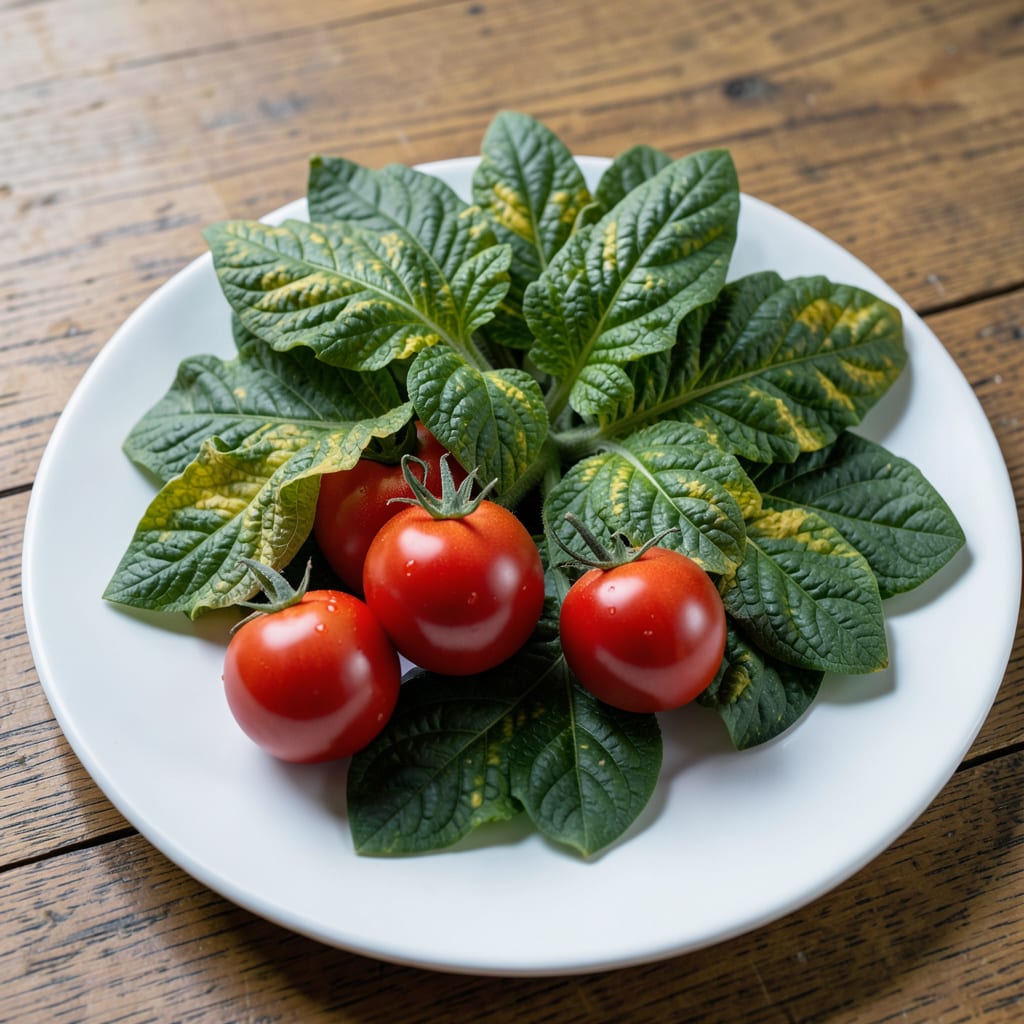
Your tomato leaves are curling, yellowing, and looking downright sad. I’ve been there—watching healthy plants twist into something unrecognizable overnight. It’s alarming, but the good news is this isn’t always a death sentence.
This issue often starts with stunted growth and leaves that curl upward like tiny tacos. Early action can save your plants, but you need to confirm what you’re dealing with first. Pictures help, but knowing the patterns is even better.
Left unchecked, it spreads fast, crippling your harvest. The culprit could be a virus, environmental stress, or even overzealous pruning. Figuring out which one means the difference between rescue and regret.
Here’s how to identify the signs, stop the spread, and nurse your tomatoes back to health.
The tomato leaf curl virus (ToLCV) doesn’t strike at random—it’s driven by specific biological and environmental triggers. Understanding these root causes helps you prevent outbreaks and protect your crop. Here’s the breakdown:
The primary culprit is the silverleaf whitefly (Bemisia tabaci), which spreads the virus as it feeds on plant sap. The insect’s piercing mouthparts inject viral particles directly into the phloem, where the virus replicates. Actionable step: Use yellow sticky traps or introduce natural predators like Macrolophus caliginosus to control whitefly populations.
ToLCV can linger in seeds, seedlings, or grafted plants from infected stock. Even asymptomatic plants may harbor the virus, spreading it to healthy neighbors. Solution: Source certified disease-free seeds and sanitize tools between pruning cuts to avoid mechanical transmission.
While not a direct cause, heat stress, drought, or nutrient deficiencies weaken plants, making them more susceptible to infection. For example, high temperatures (above 86°F/30°C) accelerate whitefly reproduction. Fix: Maintain consistent irrigation and use shade cloth during peak heat to reduce stress.
Humans can accidentally spread ToLCV through contaminated pruners, gloves, or even touch. The virus survives briefly on surfaces, so a quick wipe with a 10% bleach solution between plants can break the chain of infection.
Once tomato leaf curl virus strikes, act fast to contain and manage it. Below are targeted fixes for each cause, paired with prevention tips to keep your garden healthy.
If your plants show severe curling, yellowing, or stunted growth, pull them out immediately. This prevents the virus from spreading to neighboring plants. Burn or dispose of infected plants in sealed bags—do not compost, as the virus can persist. Sterilize tools with rubbing alcohol afterward to avoid contamination.
Whiteflies are the primary carriers of tomato leaf curl virus. Use yellow sticky traps to monitor and reduce their population. For severe infestations, apply neem oil or insecticidal soap early in the morning to avoid harming beneficial insects. Introduce natural predators like ladybugs or lacewings for long-term control.
Boost your tomatoes’ defenses with balanced fertilization and proper watering. Avoid excess nitrogen, which attracts whiteflies. Opt for virus-resistant tomato varieties like ‘Tycoon’ or ‘Volgograd’ if you’re in a high-risk area. Mulch with reflective materials (e.g., aluminum foil) to disorient whiteflies and reduce landing.
Consistency is key—combine these steps to minimize outbreaks and protect your harvest.
Virus curls are often paired with yellowing and stunted growth. Heat stress causes temporary rolling but leaves remain green. Check for whitefly presence—these pests often signal viral infection.
Remove severely infected plants immediately to protect others. Mild cases may survive with whitefly control and stress reduction. Always disinfect tools after handling affected plants.
Isolate infected plants, then use yellow sticky traps and neem oil for whiteflies. Remove all weeds that may harbor pests. Consistency is key to breaking the cycle.
