
Beautiful Plants For Your Interior
Beautiful Plants For Your Interior
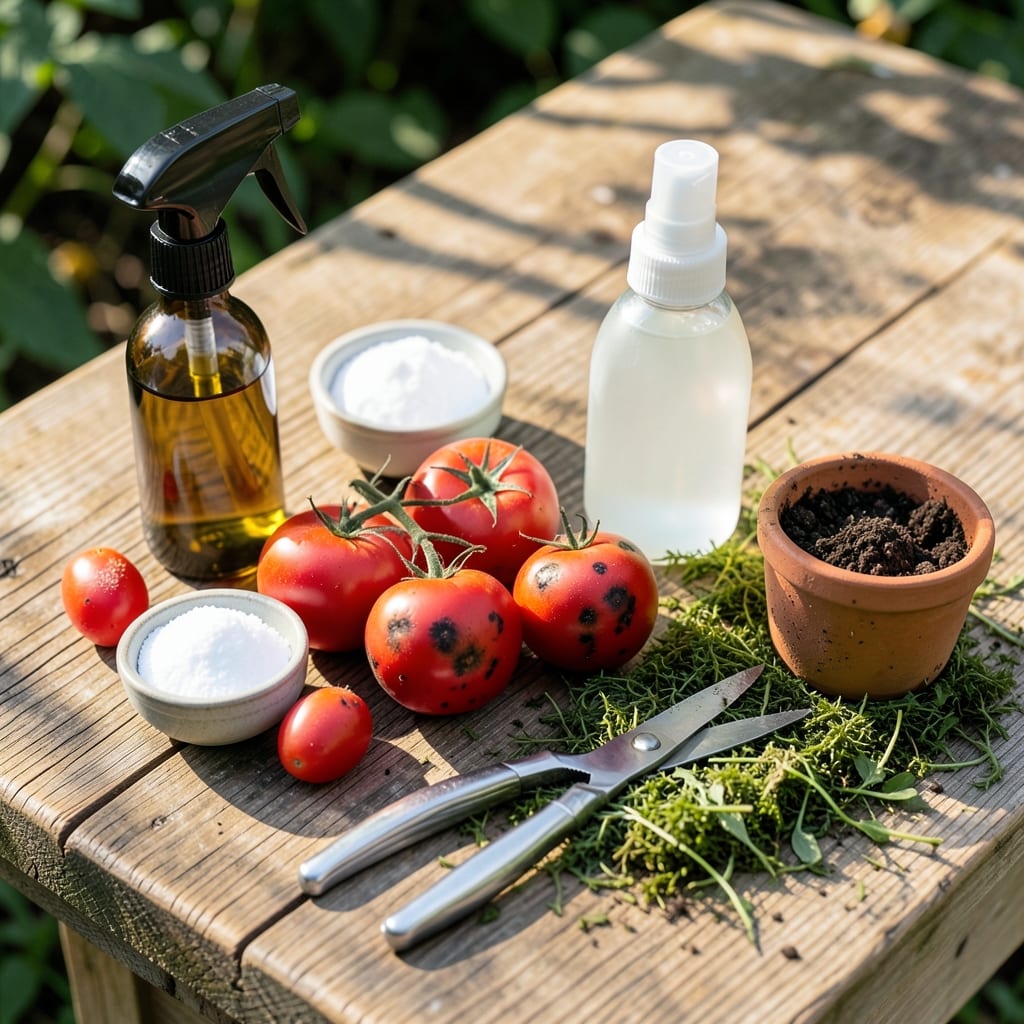
Black spots on your tomatoes aren’t just ugly—they’re a warning sign. I’ve dealt with my share of spotted plants, and the key is catching it early before it spreads to the whole garden.
The good news? Most causes are treatable with simple, natural fixes. You’ll likely see improvement within 7-10 days of starting the right treatment, and your plants can still produce a solid harvest.
Short list. Fix those spots fast. Most are kitchen or garage staples.
| Ingredient | Amount | Notes |
|---|---|---|
| Neem Oil 🌿 | 1 piece | Cold-pressed organic |
| Baking Soda 🧪 | 1 lb | Food-grade for spray |
| Dish Soap 💧 | 1 oz | Mild unscented |
| Pruning Shears ✂️ | 1 piece | Sterilized with rubbing alcohol |
| Compost Tea 🌾 | 1 gallon | Freshly brewed preferred |
| Mulch 🪵 | 2 gallons | Straw or wood chips |
| Copper Fungicide 🛡️ | 1 piece | Organic option |
| Watering Can 💦 | 1 piece | With spray nozzle |
| Garden Gloves 🧤 | 1 piece | Nitrile for protection |
[recipeingredientscaler]
Neem oil and copper fungicide are your heavy hitters here. Garden centers like Home Depot or Lowe’s stock both—look for organic labels. I grab neem oil in the smallest bottle (it goes a long way). Copper fungicide is pricier but works on stubborn fungal issues (worth the extra dollar).
No neem oil? Baking soda spray (1 tbsp per gallon of water + dish soap) tackles early fungal spots. Mulch can be grass clippings or leaves if that’s what you have. Skip the expensive branded compost tea—DIY with compost and water works just as well.
Store neem oil and copper fungicide in a cool, dark place—they last 2+ years unopened. Pruning shears stay sharp if wiped down after use. I keep a spray bottle of rubbing alcohol handy for quick sterilization between cuts.
These natural treatments stop black spots fast and protect your plants from further damage.
Put on your garden gloves and inspect each plant carefully. When you spot leaves with black spots, use the pruning shears to snip them off at the stem. I always cut at least 1 inch below the affected area to ensure I remove all fungal or bacterial presence.
Collect the removed foliage in a sealed bag and dispose of it immediately—don’t compost it, as this can spread the disease. Sterilize the pruning shears with rubbing alcohol after each use to prevent cross-contamination between plants.
Mix 1 tablespoon of baking soda from your 1 lb supply and 1 teaspoon of dish soap from your 1 oz bottle in the watering can with 1 gallon of water. Shake gently to combine. This solution creates an alkaline environment that fungi and bacteria can’t thrive in.
Spray the mixture evenly over the leaves, focusing on the undersides where pathogens often hide. I reapply every 5-7 days or after rain, as the spray washes off easily. Watch for improvement within 1-2 weeks—the black spots should stop spreading.
Fill the watering can with 1 gallon of water and add 2 tablespoons of neem oil from your 1 piece. Neem oil disrupts the life cycle of fungi and bacteria, preventing new spots from forming. I also add a few drops of dish soap to help the oil mix with water.
Spray the solution on the plants in the early morning or late evening to avoid leaf burn from the sun. Cover all surfaces, including stems and the undersides of leaves, for full protection. Reapply every 10-14 days for ongoing prevention.
If the black spots persist or spread rapidly, use the copper fungicide as a stronger intervention. Follow the package instructions to mix the correct concentration in your watering can. Copper ions are toxic to fungi and bacteria, stopping the disease in its tracks.
Apply the fungicide in the early morning or late evening, ensuring thorough coverage of all plant surfaces. I wear my garden gloves during application to avoid skin contact. Reapply as directed, usually every 7-10 days, until the issue is resolved.
Pour the 1 gallon of compost tea into the watering can and apply it to the soil around the base of your plants. Compost tea introduces beneficial microbes that outcompete harmful pathogens, strengthening your plants’ natural defenses.
Spread the 2 gallons of mulch evenly around the plants to a depth of 2-3 inches. Mulch prevents soil-borne pathogens from splashing onto leaves during watering or rain, reducing the risk of new infections. It also retains moisture and regulates soil temperature for healthier growth.
Even if your tomato has black spots, you can still enjoy it in delicious pairings that balance its earthy, slightly bitter notes. Here’s how to make the most of it! 🍅😋
Pair spotted tomatoes with creamy or tangy sides to offset their deep flavor. Grilled corn with chili-lime butter adds sweetness and heat, while a cool cucumber-yogurt salad refreshes the palate. For heartier meals, try roasted garlic mashed potatoes or a simple caprese salad with fresh basil.
Tomatoes with black spots shine alongside bold drinks. A sparkling rosé or dry white wine cuts through their richness, while a cold craft beer (like a pilsner) complements their earthiness. For non-alcoholic options, iced hibiscus tea or lemon-infused water keeps things light and refreshing.
Boost the tomato’s natural sweetness with balsamic glaze or honey. Herbs like basil, oregano, or thyme enhance its depth, while feta or goat cheese adds a salty contrast. For a smoky touch, pair with grilled meats or charred vegetables to create a balanced bite.
