
Beautiful Plants For Your Interior
Beautiful Plants For Your Interior
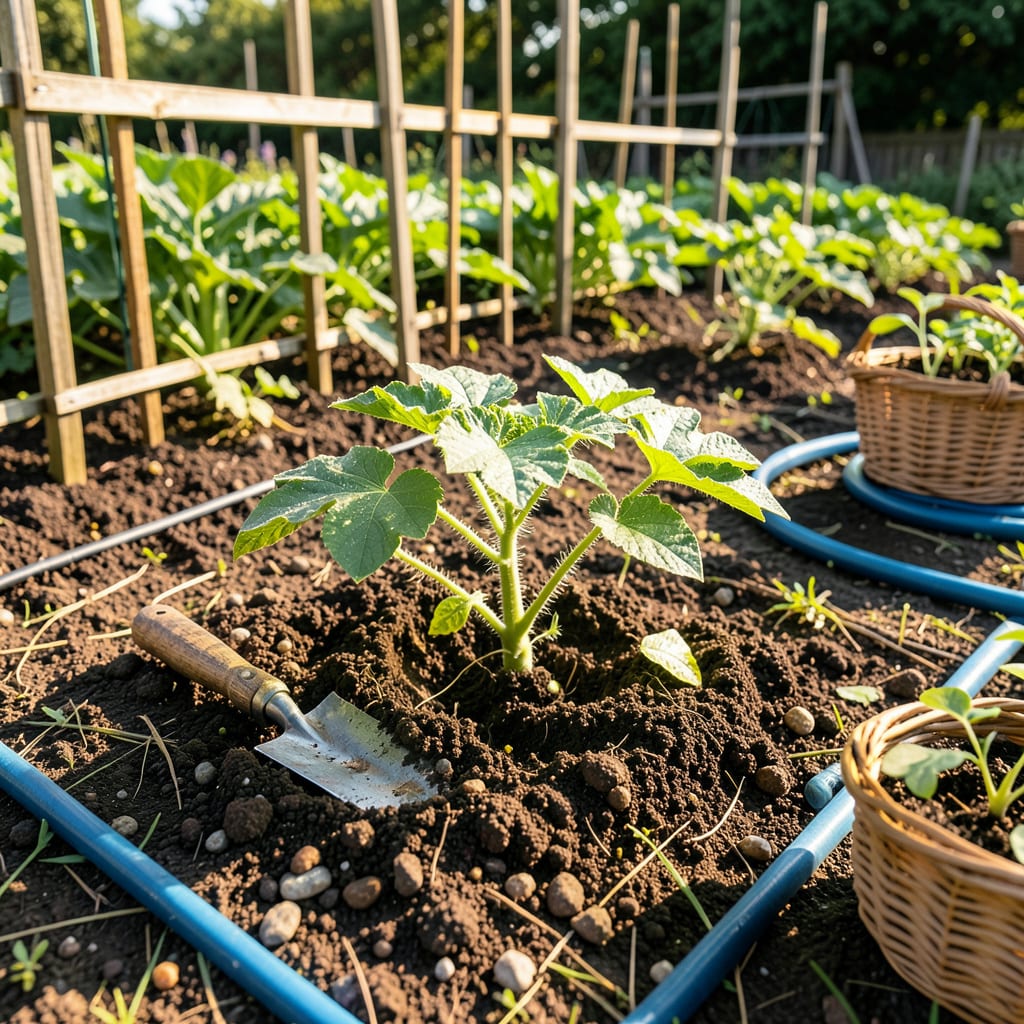
Watermelon vines need room to stretch and soil that drains well. I learned the hard way that wet feet kill seedlings faster than drought.
Plant seeds 1 inch deep in hills 4 feet apart after the last frost. Give them full sun and watch those vines take off within 7-10 days.
📚 In This Guide
Here’s the method I rely on for robust vines and the sweetest fruit every season.
Choose a location with full sun (at least 8-10 hours daily) and well-draining soil. Watermelons thrive in loose, fertile ground, so I always amend the area with 2-3 inches of aged compost worked into the top 6-8 inches of soil. This boosts nutrients and improves drainage, preventing root rot.
Avoid low-lying spots where water pools after rain. The soil should feel warm to the touch—70-80°F is ideal for germination. If the ground is still cool, wait a week or two. You’ll see better results by planting later in warm soil than rushing and risking poor growth.
Sow seeds 1 inch deep in small hills (mounded soil 4-6 inches high and 2 feet wide) spaced 4-6 feet apart. Each hill should contain 4-6 seeds. Once seedlings emerge, thin to the 2 strongest plants per hill. This spacing ensures vines have room to sprawl without competing for resources.
If using transplants, plant them at the same depth they were in their container. Press the soil gently around the base and water thoroughly to eliminate air pockets. Don’t bury the stem too deep—this can lead to stem rot in moist conditions.
After planting, water deeply to settle the soil, then maintain consistent moisture until germination. Once seedlings are established, water at the base of the plant—1-2 inches per week is ideal. I use a drip irrigation system to keep foliage dry, which reduces the risk of fungal diseases like powdery mildew.
As fruit begins to form, taper off watering slightly to concentrate sugars. You’ll notice the vines wilting slightly in the heat of the day—this is normal. Water in the early morning so leaves dry quickly, preventing disease.
Apply a 2-3 inch layer of organic mulch (straw or shredded leaves) around plants to retain moisture and suppress weeds. Mulch also keeps fruit clean and prevents soil-borne diseases. I’ve found black plastic mulch can warm the soil early in the season, but organic options are better long-term.
Monitor for pests like cucumber beetles or aphids, which can stunt growth or spread disease. Handpick them early in the morning when they’re sluggish, or use row covers until plants flower. This small effort prevents major losses later.
Watermelons are ready 80-100 days after planting, depending on the variety. The most reliable sign is the tendril opposite the stem turning brown and drying up. Also, the underside of the melon should develop a creamy yellow spot where it touches the ground.
Thump the melon—ripe ones produce a deep, hollow sound. If it sounds dull or flat, it needs more time. Harvest on a dry day, cutting the stem with a sharp knife, leaving 1-2 inches attached. This keeps the fruit fresh longer.
Small details make the difference between a struggling vine and a bumper crop of sweet melons.
The Heat Factor: That 70-80°F soil temperature in Step 1 isn’t just a suggestion—it’s critical. I learned this after planting two weeks early and watching seeds rot in cold ground. Use a soil thermometer or wait until you can comfortably sit barefoot on the earth at planting time. Trust me on this.
Spacing Secret: The 4-6 feet apart spacing in Step 2 might seem excessive, but watermelon vines can spread 10-12 feet. Crowding leads to competition for water and nutrients, resulting in smaller fruits. If space is limited, consider bush varieties that stay more compact.
Watering Wisdom: That 1-2 inches per week in Step 3 is your target, but delivery matters more than volume. Always water at the base in the morning so foliage dries quickly—this prevents the powdery mildew mentioned in the instructions. A simple rain gauge can help you track weekly totals.
Harvest Timing: The 80-100 days in Step 5 is just a guideline. I’ve had melons ready at 75 days in hot weather and others take 105 in cooler seasons. The tendril test is far more reliable than the calendar—when that curly stem opposite the melon turns brown and crisp, it’s time to thump.
Plant watermelon seeds in late spring when soil temperatures reach at least 70°F (21°C). This ensures warm soil for quick germination and healthy growth. Avoid planting too early in cool climates, as frost can damage young plants.
Watermelon vines spread widely, so allow 3–5 feet between plants and 6–8 feet between rows. For small gardens, try compact varieties like ‘Sugar Baby’ or use trellises to save space.
Watermelons thrive in well-draining, sandy loam soil with a pH of 6.0–6.8. Enrich the soil with compost or aged manure before planting for better fertility and moisture retention.
Water deeply 1–2 times per week, providing 1–2 inches of water each time. Reduce watering as fruits mature to enhance sweetness. Avoid wetting the leaves to prevent disease.
Small or bland watermelons often result from poor pollination, inconsistent watering, or nutrient deficiencies. Ensure bees visit flowers, maintain steady moisture, and fertilize with a balanced 10-10-10 formula.
