
Beautiful Plants For Your Interior
Beautiful Plants For Your Interior
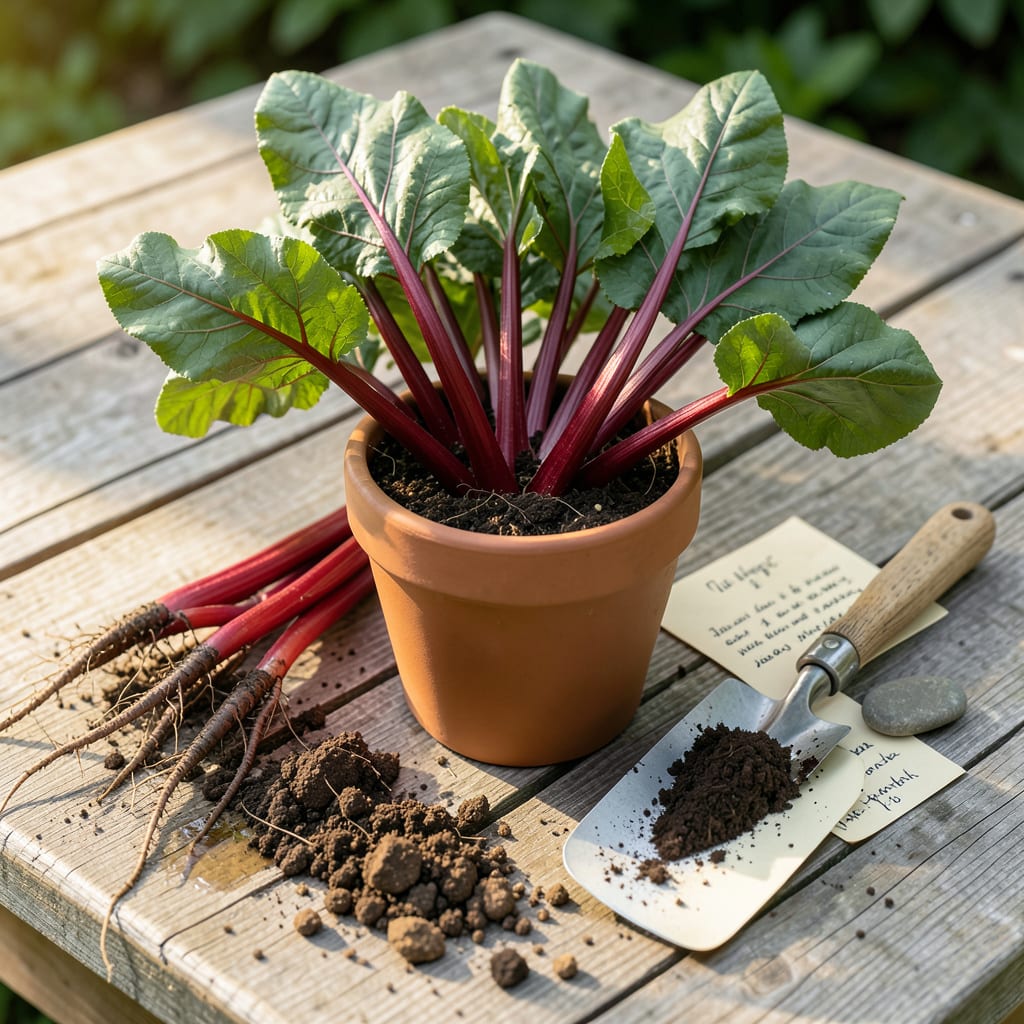
I planted my first rhubarb crowns five springs ago. They’re still producing pound after pound of tart stalks every April without fail.
This isn’t a one-season wonder. Get the soil right, space them properly, and you’ll harvest from the same plants for 15+ years. The key is starting strong in that first spring.
📚 In This Guide
Here’s the method I trust for establishing a thriving rhubarb patch that yields for decades.
Select a location with full sun to partial shade, ensuring at least 6 hours of sunlight daily. Rhubarb thrives in well-draining soil with a pH of 6.0-6.8. Avoid low-lying areas where water pools, as soggy roots lead to crown rot. I test the soil with a simple kit to confirm it’s slightly acidic.
This plant is a long-term investment, so pick a spot where it won’t be disturbed. Rhubarb crowns can produce for 10-15 years if left undisturbed. Mark the area clearly—you’ll want to remember where it is during early spring before foliage emerges.
Loosen the soil to a depth of 12-18 inches, removing weeds, rocks, and debris. I work in a generous amount of aged compost or well-rotted manure to improve fertility and drainage. Rhubarb is a heavy feeder, and rich soil ensures vigorous early growth.
If your soil is clay-heavy, mix in coarse sand or fine gravel to break it up. The goal is loose, crumbly earth that roots can penetrate easily. Water the prepared bed a day before planting so the soil settles and excess moisture drains away.
Dig a hole large enough to accommodate the rhubarb crown, which should sit with the bud—or growing point—1-2 inches below the soil surface. Planting too deep smothers the crown; too shallow exposes it to freeze-thaw cycles in winter. Space crowns 3-4 feet apart to allow for mature spread.
Firm the soil gently around the crown and water deeply to eliminate air pockets. A light mulch of straw helps retain moisture and suppress weeds, but keep it 2-3 inches away from the crown to prevent rot. You’ll see red shoots emerge within 2-3 weeks in spring.
Keep the soil consistently moist but not waterlogged during the first growing season. Once established, rhubarb is drought-tolerant, but consistent watering deepens the roots. I water at the base in the morning to allow foliage to dry quickly, reducing disease risk.
Remove flower stalks as they appear—they sap energy from leaf production. By the second year, your plants should be robust enough for a modest harvest. Always leave at least 1/3 of the stalks on each plant to sustain growth for future seasons.
Apply a balanced 10-10-10 fertilizer in early spring and again after harvesting. I side-dress with compost annually to maintain soil fertility. In late fall, cut back dead foliage and add a 4-6 inch layer of mulch to protect crowns from winter temperature swings.
Divide crowns every 5-6 years if they become overcrowded, replanting the healthiest sections. This rejuvenates the patch and ensures continued productivity. With proper care, your rhubarb will reward you with abundant, tart stalks year after year.
Planting rhubarb is a long-term commitment, so these insights will help you avoid the pitfalls I learned the hard way.
Site Selection: The 6 hours of daily sunlight requirement in Step 1 is non-negotiable for vigorous growth. I learned this after trying a shady spot—my plants were weak and sparse. Full sun to partial shade works, but don’t go below that 6-hour minimum.
Depth Matters: In Step 3, that 1-2 inch planting depth for crowns is critical. Planting deeper smothers the growing point, while shallower planting exposes it to winter damage. I use a ruler to measure—it’s that important for long-term survival.
Spacing for Success: The 3-4 feet between crowns in Step 3 might seem excessive, but mature plants need this room. My first patch was crowded at 2 feet apart, and by year three, the plants were competing for resources. Follow the spacing exactly.
Winter Protection: That 4-6 inch mulch layer in Step 5 isn’t just for weeds—it’s your crowns’ insurance against freeze-thaw cycles. I lost an entire patch one winter by skimping on mulch. Straw works perfectly, but pile it on thickly in late fall.
Early spring or fall is ideal, as cooler temperatures help roots establish. Aim for 4-6 weeks before the first frost in fall or as soon as soil is workable in spring.
Yes! Choose a large container (at least 20 inches deep) with drainage. Use well-draining soil and ensure it gets 6+ hours of sunlight daily. Potted rhubarb may need more frequent watering.
Thin stalks often mean the plant is young or lacks nutrients. Fertilize with compost in early spring and avoid harvesting in the first year. Overcrowding can also stunt growth—space plants 3-4 feet apart.
Wait until the second year for light harvesting, and avoid picking in the first year to let roots strengthen. Full harvests start in year three—pull stalks by twisting, not cutting!
