
Beautiful Plants For Your Interior
Beautiful Plants For Your Interior
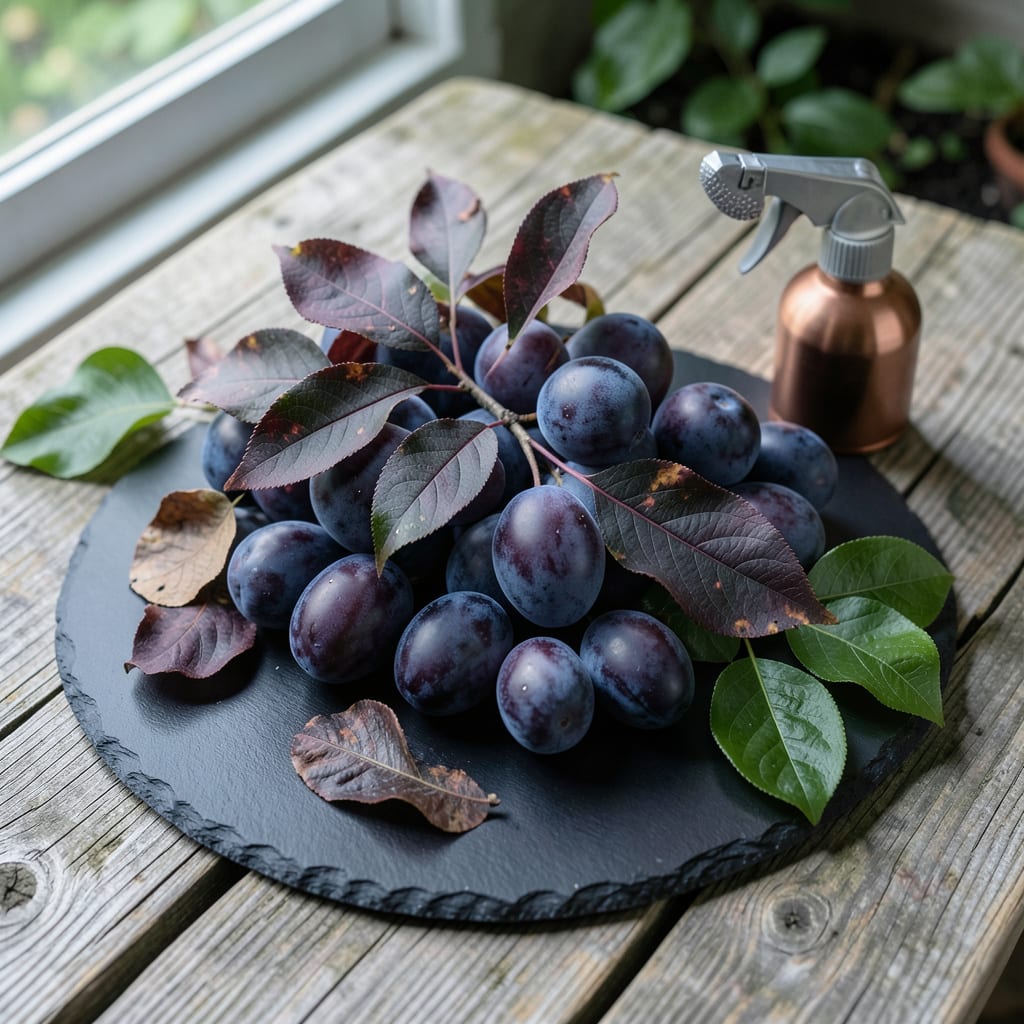
My thundercloud plum had me stumped for two seasons straight. Leaves spotted, branches dying back—turns out it wasn’t bad luck, just common diseases I wasn’t spotting early enough.
Most issues start with simple oversights: poor airflow, wet foliage, or the wrong planting spot. I learned the hard way that prevention beats cure every time. Early spring is your best window to check for trouble.
With the right cultural practices—proper spacing, clean pruning, and good drainage—you can avoid most problems before they take hold. It’s about working with the tree’s natural defenses.
Healthy trees resist disease better. That means consistent watering, balanced soil, and removing fallen leaves. Small habits, big payoff.
Understanding why diseases strike your thundercloud plum tree starts with recognizing the key triggers. These trees, like all living organisms, are vulnerable to specific environmental, biological, and cultural stressors. Below are the primary causes behind common diseases, explained in clear, actionable terms.
Fungal diseases, such as brown rot and leaf spot, thrive in damp conditions. Overwatering, poor soil drainage, or prolonged rain can create a breeding ground for spores. When moisture lingers on leaves, fruit, or bark, it softens tissues and invites infection. Action: Ensure your tree is planted in well-draining soil and avoid overhead watering to keep foliage dry.
Pests like aphids, plum curculio, or scale insects damage the tree by piercing its tissues, creating entry points for pathogens. For example, bacterial canker often follows wounds left by boring insects. A weakened tree is less able to fend off secondary infections. Action: Monitor for pests regularly and treat infestations promptly with horticultural oils or insecticidal soaps.
Extreme temperatures, drought, or sudden frost can stress the tree, reducing its natural resistance. Stressors like heat scorch or winter injury compromise the tree’s ability to heal or regenerate, making it more susceptible to diseases like silver leaf or powdery mildew. Action: Mulch to regulate soil temperature, water consistently during dry spells, and protect young trees from late frosts.
Improper pruning, lack of sanitation, or crowded planting can spread or exacerbate diseases. For instance, pruning with unsterilized tools can transfer fire blight between cuts, while failing to remove fallen fruit or debris allows fungal spores to overwinter. Action: Sterilize pruning tools with rubbing alcohol, remove and destroy infected plant material, and space trees to ensure good air circulation.
Tackling diseases on your thundercloud plum tree starts with identifying the problem and applying targeted fixes. Below are practical solutions for common issues, along with prevention tips to keep your tree thriving.
Fix: Remove and destroy infected fruit, leaves, or branches to prevent spread. Apply a copper-based fungicide or neem oil at the first sign of trouble, repeating every 7–10 days until symptoms subside. Prune to improve airflow, as damp, crowded conditions encourage fungi.
Prevention: 💡 Thin branches in late winter to boost circulation. Water at the base (not overhead) to keep foliage dry. Clean up fallen debris regularly.
Fix: Blast aphids off with a strong stream of water. For scale or borers, use horticultural oil or insecticidal soap, targeting the undersides of leaves and bark crevices. Introduce beneficial insects like ladybugs for natural control.
Prevention: 🎯 Inspect trees weekly for early signs. Apply kaolin clay as a barrier spray to deter pests. Avoid over-fertilizing, which attracts sap-sucking insects.
Fix: Prune out infected wood immediately, sterilizing tools with rubbing alcohol between cuts. Apply a bactericide like copper sulfate to wounds. Severe cases may require removing the tree to protect others.
Prevention: ✨ Disinfect pruning tools after each use. Plant disease-resistant varieties if replanting. Avoid working on trees when foliage is wet to limit bacterial entry.
Fix: Test soil pH (ideal: 6.0–6.5). Amend with compost or a balanced fertilizer (10-10-10) to address shortages. For iron deficiency (common in alkaline soil), apply chelated iron as a foliar spray.
Prevention: 🌡️ Mulch with organic matter annually to improve soil health. Water deeply but infrequently to encourage strong root systems.
Consistent care and quick action are key to reviving a struggling thundercloud plum tree. Combine these fixes with good cultural practices to minimize future problems.
Look for yellowing leaves, dark spots, or oozing cankers on branches. Early detection means easier treatment, so inspect your tree weekly during growing season.
If over 50% is affected, removal may be necessary to protect other plants. For less severe cases, prune infected parts and apply appropriate treatments immediately.
Apply fungicides or bactericides every 7-10 days during wet seasons. Always follow label instructions for best results and safety.
Overwintering spores in soil or debris often cause recurring issues. Clean up fallen leaves and fruit thoroughly each autumn to break the cycle.
