
Beautiful Plants For Your Interior
Beautiful Plants For Your Interior
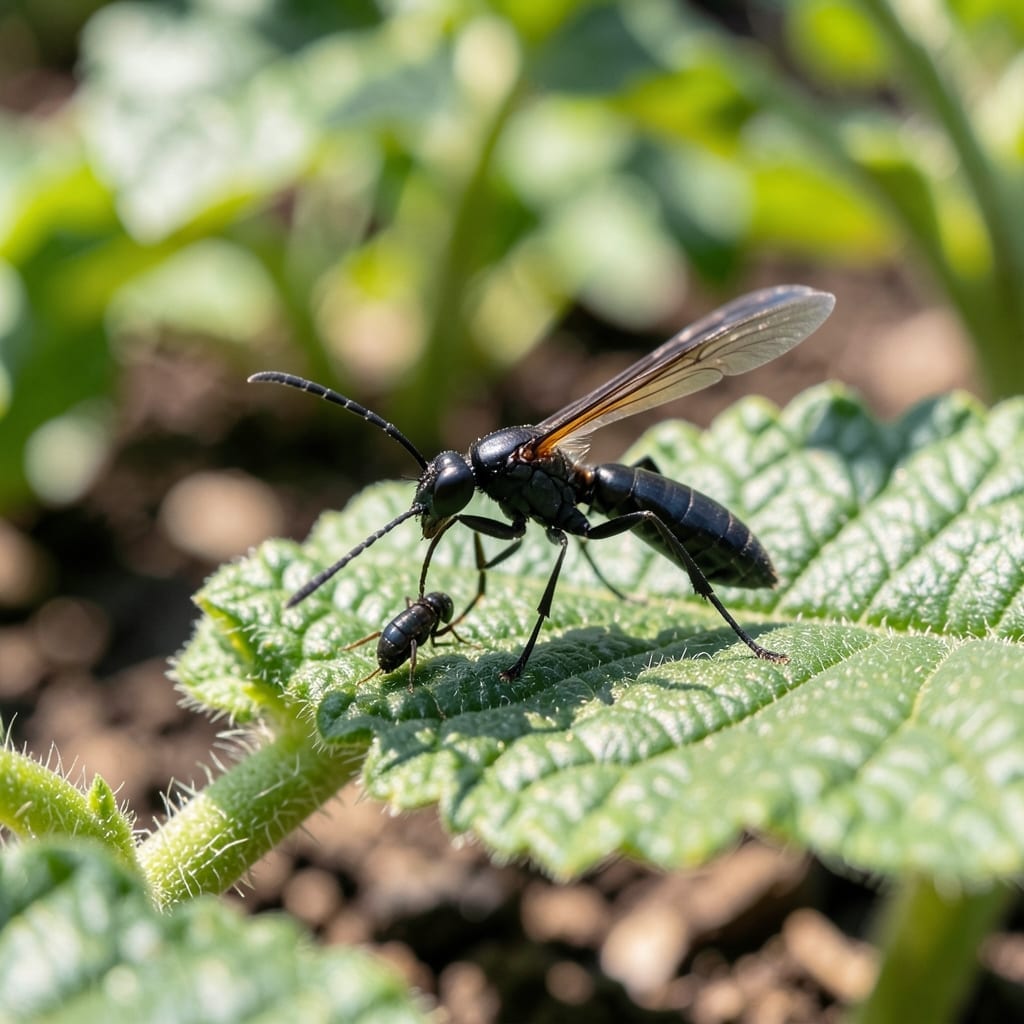
Systemic aphid control stops the problem at the source. I learned this the hard way after watching aphids destroy my entire rose garden in 48 hours, despite daily spraying.
Unlike surface treatments that wash away, systemic solutions work from within the plant. One application provides 3-4 weeks of protection, saving you time and frustration.
You’ll see results within days as aphid populations collapse. The best part? It works on even the most stubborn infestations without harming beneficial insects.
Safe for most edibles and ornamentals when used as directed. Here’s how to apply it effectively for long-term results.
Aphids thrive due to a mix of biological, environmental, and cultural factors. Understanding these root causes helps you target them more effectively with systemic solutions. Here’s why these pests keep coming back:
Non-selective insecticides kill aphids’ natural predators like ladybugs, lacewings, and parasitic wasps. Without these checks, aphid populations rebound quickly. Systemic treatments avoid this by targeting only sap-feeding pests while preserving beneficial insects.
Aphids reproduce rapidly on plants with high nitrogen levels, which produce soft, succulent growth—their favorite food. Over-fertilizing with nitrogen-rich products (e.g., fresh manure or synthetic feeds) creates an aphid buffet. Balance soil nutrients with phosphorus and potassium to toughen plant tissues.
Large blocks of a single plant species (e.g., a row of only roses or kale) provide aphids with an unlimited, undefended food source. Diversify with companion plants like marigolds, garlic, or nasturtiums, which repel aphids or attract predators.
Aphids overwinter as eggs on host plants. Warmer winters and early thaws allow eggs to hatch sooner, giving them a head start. Systemic controls applied before spring growth begins can intercept them at this vulnerable stage.
To tackle aphids effectively, start by identifying the root causes and applying targeted fixes. Here’s a practical guide to solving the problem:
Overcrowded plants create the perfect hideout for aphids. Fix: Thin out dense foliage to improve airflow and reduce hiding spots. Space plants according to their mature size to prevent future infestations. Prevention tip: 💡 Use companion planting—aphids dislike strong-smelling herbs like basil or mint.
Aphids target weak or stressed plants. Fix: Strengthen plants with balanced fertilization and proper watering. Systemic insecticides (like neonicotinoids) can be applied to the soil for long-term protection, as plants absorb them and become toxic to aphids. Prevention tip: 🌡️ Avoid over-fertilizing with nitrogen, which attracts aphids.
Without predators like ladybugs or lacewings, aphid populations explode. Fix: Attract or introduce these beneficial insects by planting pollen-rich flowers or purchasing them from garden centers. Prevention tip: 🎯 Avoid broad-spectrum pesticides that harm beneficial insects.
Aphids thrive in damp conditions. Fix: Ensure proper drainage and avoid overwatering. Use drip irrigation to keep foliage dry. Prevention tip: ✨ Water early in the day so plants dry quickly in the sun.
By addressing these causes with simple, targeted fixes, you can keep aphids at bay and protect your garden long-term.
You’ll typically notice aphid populations declining within 3-5 days after application. Full protection kicks in after 7-10 days as the solution spreads through the plant.
Most systemic products are safe for vegetables and fruits when used as directed. Always check the label for wait times before harvest, usually 3-7 days. Organic options like neem oil are gentler alternatives.
It works on most ornamentals and edibles, but avoid using on plants that bloom early, like lilacs. Some varieties may be sensitive—test on a small area first.
Light rain won’t affect soil-applied systemics, but heavy downpours within 24 hours may reduce effectiveness. Reapply if significant rainfall occurs soon after treatment.