
Beautiful Plants For Your Interior
Beautiful Plants For Your Interior
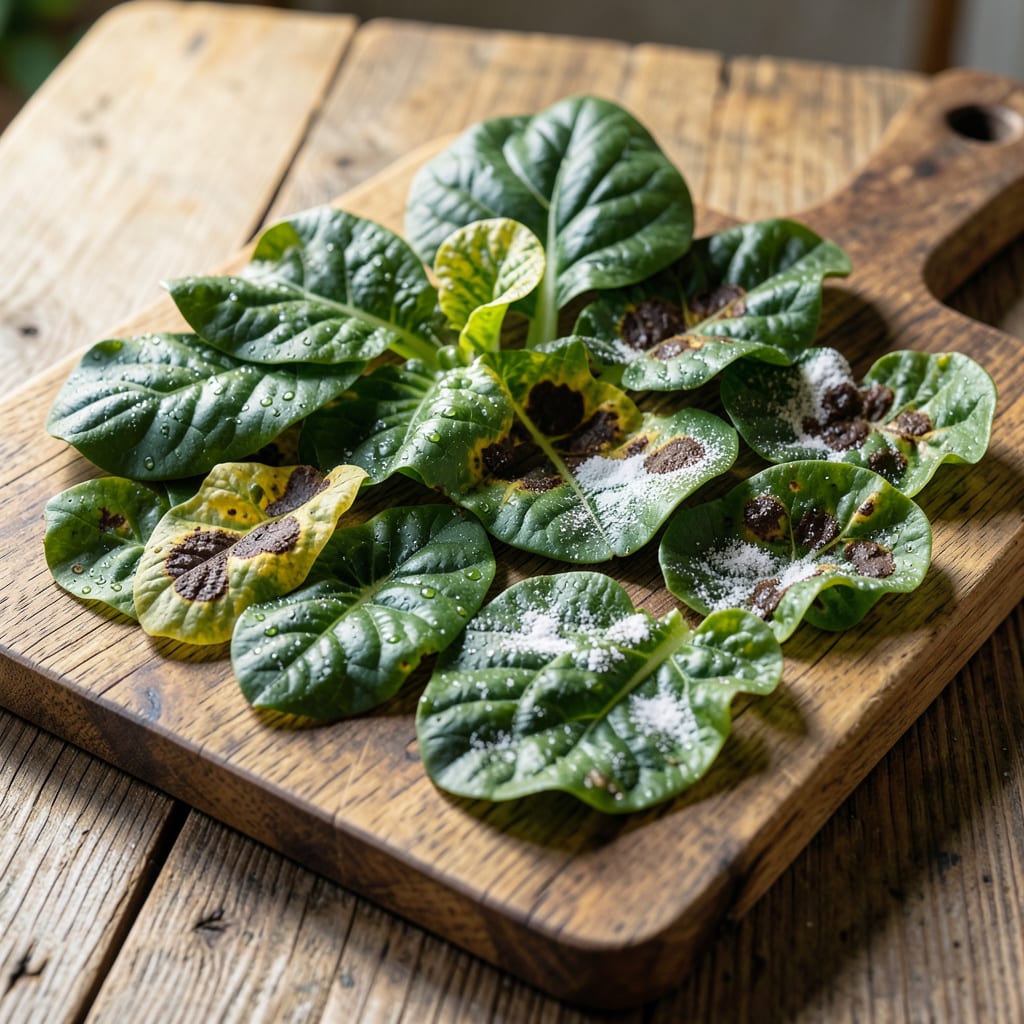
Spotted yellow leaves on your Swiss chard last week? I’ve been there—watching healthy plants turn into a disease hotspot overnight. A quick visual check can save your entire crop.
The usual suspects show up with telltale signs: powdery mildew coats leaves in white, leaf spot creates dark rings, and downy mildew leaves a fuzzy underside. Catching these early means the difference between salvage and loss.
Organic solutions work surprisingly well. Copper sprays, neem oil, and proper spacing often stop the spread without harsh chemicals. I’ve rescued beds with just these three steps.
Prevention starts with airflow and rotation. Healthy soil and dry foliage keep most issues from taking hold in the first place.
Swiss chard is hardy, but certain conditions invite disease. Understanding the root causes helps you prevent problems before they start. Here’s why these issues appear in your garden:
Excess moisture is the #1 trigger for fungal diseases like Cercospora leaf spot and downy mildew. These pathogens thrive in humid environments with poor air circulation. Overhead watering, dense plant spacing, or slow-draining soil create the perfect breeding ground. Spores spread via wind or splashing water, infecting leaves through tiny wounds or stomata.
Insects such as aphids and leafminers weaken chard by piercing leaf tissues, leaving entry points for bacteria and viruses. Their feeding stress also reduces the plant’s natural defenses. For example, beet leaf curly top virus (transmitted by leafhoppers) causes stunted growth and yellowing—directly tied to pest activity.
Extreme heat or cold stresses Swiss chard, making it susceptible to powdery mildew or root rot. Poor soil health—like low organic matter or incorrect pH (ideal: 6.0–7.0)—also weakens plants. Nutrient deficiencies (e.g., calcium or potassium) reduce disease resistance, while compacted soil limits root oxygen uptake.
Diseases like bacterial leaf spot (Pseudomonas syringae) often spread via infected seeds or unsterilized gardening tools. Reusing pots or working in wet foliage without cleaning equipment transfers pathogens between plants. Even compost with diseased plant debris can reintroduce issues.
Target these causes with proactive measures: improve drainage, rotate crops, and sanitize tools to break the disease cycle.
Tackling Swiss chard diseases starts with quick action and smart prevention. Below are targeted fixes for common issues, paired with tips to keep your plants thriving. 🌱
If you spot dark, water-soaked patches on leaves, act fast. Prune infected leaves with clean scissors and discard them (not in compost). Apply a copper-based fungicide or a DIY mix of 1 tsp baking soda + 1 quart water + a drop of dish soap. Prevention tip: 💡 Rotate crops yearly to avoid soil-borne pathogens, and water at the base to keep leaves dry.
See tiny bugs or chewed leaves? Blast them off with a strong water spray early in the day. For stubborn infestations, use neem oil or insecticidal soap. Prevention tip: ✨ Cover young plants with floating row covers to block pests physically. Companion planting with marigolds or nasturtiums can also deter invaders.
White, powdery spots mean poor air circulation. Thin crowded plants and remove affected leaves. Treat with a 1:10 milk-to-water spray (the lactic acid disrupts the fungus). Prevention tip: 🌡️ Space plants 12–18 inches apart and avoid overhead watering. A drip irrigation system keeps foliage dry.
Yellowing leaves and stunted growth often signal soggy roots. Stop watering immediately and let the soil dry out. If the problem persists, amend the bed with compost or sand to improve drainage. Prevention tip: 🎯 Plant in raised beds if your soil is heavy clay, and always use well-draining soil.
Consistency is key—inspect plants weekly and address issues at the first sign. Healthy soil and good hygiene go a long way in keeping Swiss chard disease-free!
Look for white powdery spots or dark rings on leaves. Powdery mildew appears as white dust, while leaf spot creates circular lesions. Check undersides for fuzzy growth with downy mildew.
Remove infected leaves immediately with clean shears. Apply copper fungicide or a baking soda spray. Always water at the base and improve airflow by thinning plants.
Stop watering and let soil dry completely. If roots are mushy, remove the plant. For prevention, use well-draining soil and raised beds in clay-heavy areas.
Yes! Neem oil combats pests and fungi. A 1:10 milk-water spray disrupts powdery mildew. Companion planting with marigolds deters insects naturally.
