
Beautiful Plants For Your Interior
Beautiful Plants For Your Interior
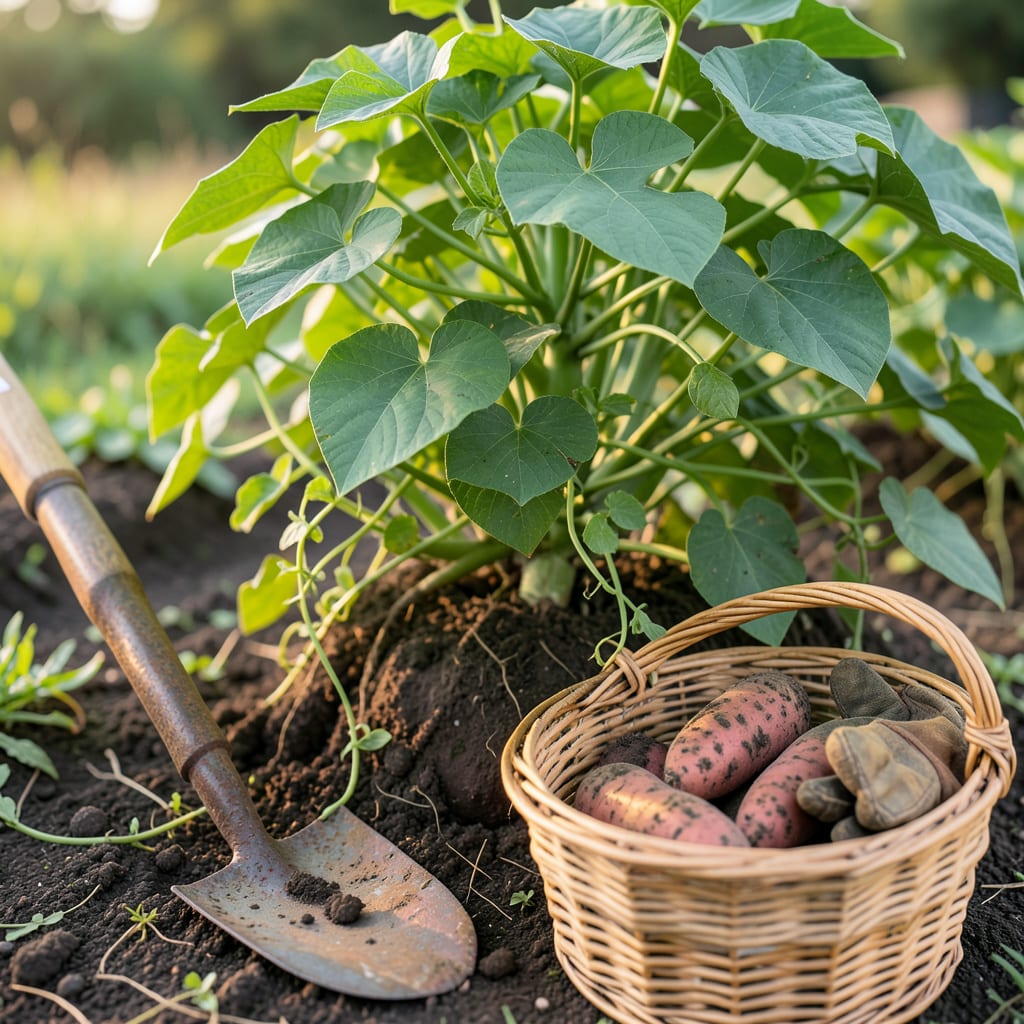
There’s nothing quite like pulling up that first 🍠 Sweet Potato from your garden, knowing you’ve timed it just right. The difference between a mediocre harvest and an outstanding one often comes down to a few key details.
I’ve learned through trial and error that waiting for those telltale signs can transform your yield. Let me share what to look for and when to act for the best results.

Timing your sweet potato harvest perfectly ensures the best flavor and storage life. I always watch for vine yellowing as the first clear sign. This typically happens 90-120 days after planting, depending on the variety.
Another key indicator is when the leaves start developing yellow or brown spots. The tubers beneath are usually ready when the skin hardens and resists scratching. Early varieties may mature in 90 days, while others need up to 170 days.☀️
| Sign | Description |
|---|---|
| Vine Yellowing | Primary indicator of maturity |
| Leaf Spots | Yellow or brown patches appear |
| Hard Skin | Resists damage when scratched |
| Growth Slowdown | Vines stop expanding rapidly |
Climate plays a huge role in your harvest timing. In northern zones, aim to dig before the first frost, as cold can damage tubers. Southern gardeners often enjoy a longer growing season, allowing for later harvests.
I’ve found that Beauregard varieties are ready around 100 days, while Georgia Jets might need 110-120 days. Always check your seed packet for specific maturity ranges to guide your planning.
If you’re unsure, do a test dig. Gently uncover a tuber from the edge of the plant. If it’s at least 3 inches in diameter and the skin is firm, the rest are likely ready. Smaller tubers may need more time in the soil.
Soil temperature matters too. Sweet potatoes prefer warm soil (above 65°F) for optimal growth. If an early cold snap is forecast, I’ll harvest immediately to prevent damage, even if vines are still green.🌱
Avoid harvesting in wet conditions. Muddy soil makes tubers harder to clean and can lead to rot during curing. Instead, wait for a dry, sunny day when the soil is workable but not soaked.
Remember, the longer tubers stay in the ground, the more sugars they develop, enhancing flavor. But don’t wait too long—overmature sweet potatoes can become fibrous or split in the soil.
By combining these visual signs with your local climate knowledge, you’ll nail the perfect harvest window every time. Trust me, your taste buds will thank you for the patience!🪴
Harvesting sweet potatoes properly ensures you don’t damage the tubers. I always start by using a garden fork rather than a shovel to avoid piercing them. Work carefully around the plant base where tubers cluster.
Begin by loosening the soil 12-18 inches away from the plant. This gives you room to lift without cutting into the tubers. If the soil is compacted, I’ll water lightly the day before to soften it, but avoid harvesting when it’s soggy.🌱
Never pull vines to remove tubers—this can break them. Always dig carefully and handle gently to prevent bruising.
Once the soil is loose, I’ll lift the entire plant gently. Shake off excess dirt but don’t wash the tubers yet. Wet tubers are prone to rot during curing. Instead, let them dry in the sun for 1-2 hours before moving them.☀️
After digging, inspect each tuber for damage or disease. Discard any with soft spots or cuts, as these won’t store well. Healthy tubers should feel firm and have smooth, unbroken skin. I’ll set aside damaged ones for immediate use.
For the best results, harvest on a warm, dry day when soil is loose. If frost threatens, I’ll cover the plants with row covers to buy a few extra days, but I won’t wait too long—cold soil stunts flavor development.
Finally, avoid stacking tubers too high after harvest. This can cause bruising. I’ll spread them in a single layer on a clean surface for initial drying. This attention to detail ensures your hard work pays off with perfect sweet potatoes.🪴
Proper post-harvest care is crucial for maximizing the shelf life and flavor quality of your sweet potatoes. I always start with curing, which heals minor cuts and toughens the skin for storage.
The ideal curing environment is 85°F with 85% humidity for 10 days. This can be achieved in a warm room with a humidifier or even a well-ventilated greenhouse. Never skip this step—it’s essential for long-term storage.🌱
After curing, gradually reduce the temperature to 55-60°F for storage. High humidity (around 85%) prevents shrinking. I use a root cellar or a dark closet with a humidifier for best results.
For storage containers, I prefer breathable options like wooden crates or mesh bags. Avoid plastic, as it traps moisture and can lead to rot. Keep tubers not touching to prevent spread of any potential spoilage.☀️
Regularly inspect stored sweet potatoes and remove any showing soft spots or mold. With proper care, they can last 4-6 months. This attention to detail ensures your harvest stays fresh and flavorful long after digging.🪴
Look for vines turning yellow or brown and leaves developing spots. The skin should feel firm and resist scratching when tested.
Avoid harvesting when soil is soggy. Wet conditions make tubers harder to clean and increase rot risk during curing. Wait for a dry, sunny day instead.
Use a garden fork instead of a shovel to avoid piercing tubers. Work 12-18 inches from the plant base to lift carefully.
With proper curing and storage at 55-60°F with 85% humidity, they’ll keep for 4-6 months. Check weekly for spoilage.
