
Beautiful Plants For Your Interior
Beautiful Plants For Your Interior
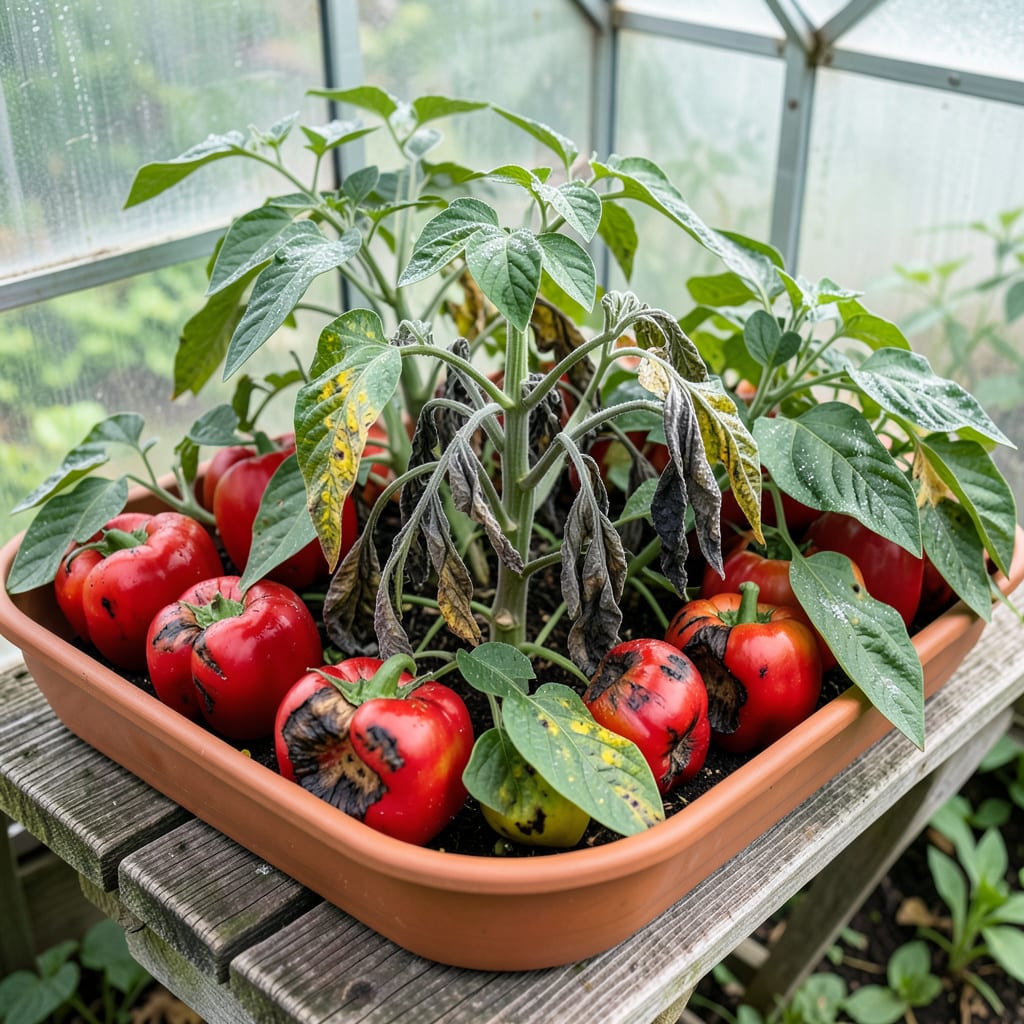
Nothing kills gardening momentum like watching your pepper plants sicken overnight. I’ve lost entire crops to diseases that started with subtle leaf spots and ended with wilted, fruitless stems.
Most sweet pepper problems announce themselves visually—yellowing leaves, dark lesions, or white powdery coatings. The key is catching these early before they spread to healthy plants. Organic sprays and cultural fixes often stop the damage.
With the right approach, you can salvage this season’s plants and prevent next year’s outbreaks. Proper spacing, drip irrigation, and crop rotation break the disease cycle before it starts.
From fungal infections to bacterial blights, each issue has a telltale pattern. Learn to read the signs, and you’ll act before it’s too late.
Understanding the why behind sweet pepper plant diseases is the first step to prevention. These issues often stem from a mix of environmental, biological, and cultural factors. Below are the primary causes, broken down for clarity and actionability.
Extreme temperatures, inconsistent watering, or poor soil conditions weaken plants, making them vulnerable to diseases. For example, blossom end rot often occurs due to calcium deficiency, triggered by fluctuating soil moisture levels. High humidity and poor airflow can also encourage fungal infections like powdery mildew or anthracnose.
Fungi, bacteria, and viruses are the direct culprits behind many sweet pepper diseases. Phytophthora blight, caused by the oomycete Phytophthora capsici, thrives in waterlogged soil. Bacterial spot (Xanthomonas campestris) spreads through contaminated tools, water, or infected seeds. Viruses like tobacco mosaic virus (TMV) can be transmitted via human touch or aphids.
Insects such as aphids, whiteflies, and thrips don’t just damage plants directly—they also spread diseases. For instance, aphids transmit cucumber mosaic virus (CMV), while whiteflies can carry tomato yellow leaf curl virus (TYLCV), which also affects peppers. Controlling these pests is critical to reducing disease spread.
Overcrowding plants, failing to rotate crops, or using contaminated tools can create ideal conditions for disease outbreaks. Monoculture (growing the same crop in the same spot yearly) depletes soil nutrients and allows pathogens to build up. Sanitizing tools and practicing crop rotation can significantly lower disease risks.
When your sweet pepper plants show signs of trouble, quick and targeted action can save your harvest. Below are practical solutions for the most common diseases, along with prevention tips to keep your plants thriving. 🌱
If you notice small, water-soaked spots on leaves that turn brown or yellow, bacterial spot may be the culprit. Treat infected plants with a copper-based bactericide every 7–10 days until symptoms disappear. Remove and destroy severely infected leaves to prevent spread. Prevention tip: 💡 Avoid overhead watering and space plants properly for airflow.
For powdery mildew or early blight, apply a neem oil or sulfur-based fungicide at the first sign of white powdery patches or dark leaf spots. Prune affected areas and improve air circulation by thinning dense foliage. Prevention tip: 🌡️ Water at the base of the plant in the morning to allow leaves to dry quickly.
Aphids and spider mites can weaken plants and spread diseases. Blast them off with a strong stream of water, or apply insecticidal soap every few days. Introduce beneficial insects like ladybugs to keep pests in check. Prevention tip: ✨ Regularly inspect the undersides of leaves for early pest detection.
Viral diseases like mosaic virus cause mottled or curled leaves. Unfortunately, there’s no cure—remove and destroy infected plants immediately to protect others. Disinfect tools and your hands after handling sick plants. Prevention tip: 🎯 Use disease-resistant varieties and control aphid populations, as they often spread viruses.
Consistent monitoring and proactive care are key to keeping your sweet pepper plants healthy and productive! 🌿
Look for white powdery coatings, dark spots, or yellowing leaves. Fungal issues often appear after wet weather or poor airflow.
Avoid overhead watering and space plants 18-24 inches apart. Always sanitize tools between uses.
Bacterial and fungal cases can often be treated with sprays. Viral infections require immediate removal to protect healthy plants.
Check leaves and stems 2-3 times per week, especially after rain. Early detection is key to stopping outbreaks.
