
Beautiful Plants For Your Interior
Beautiful Plants For Your Interior
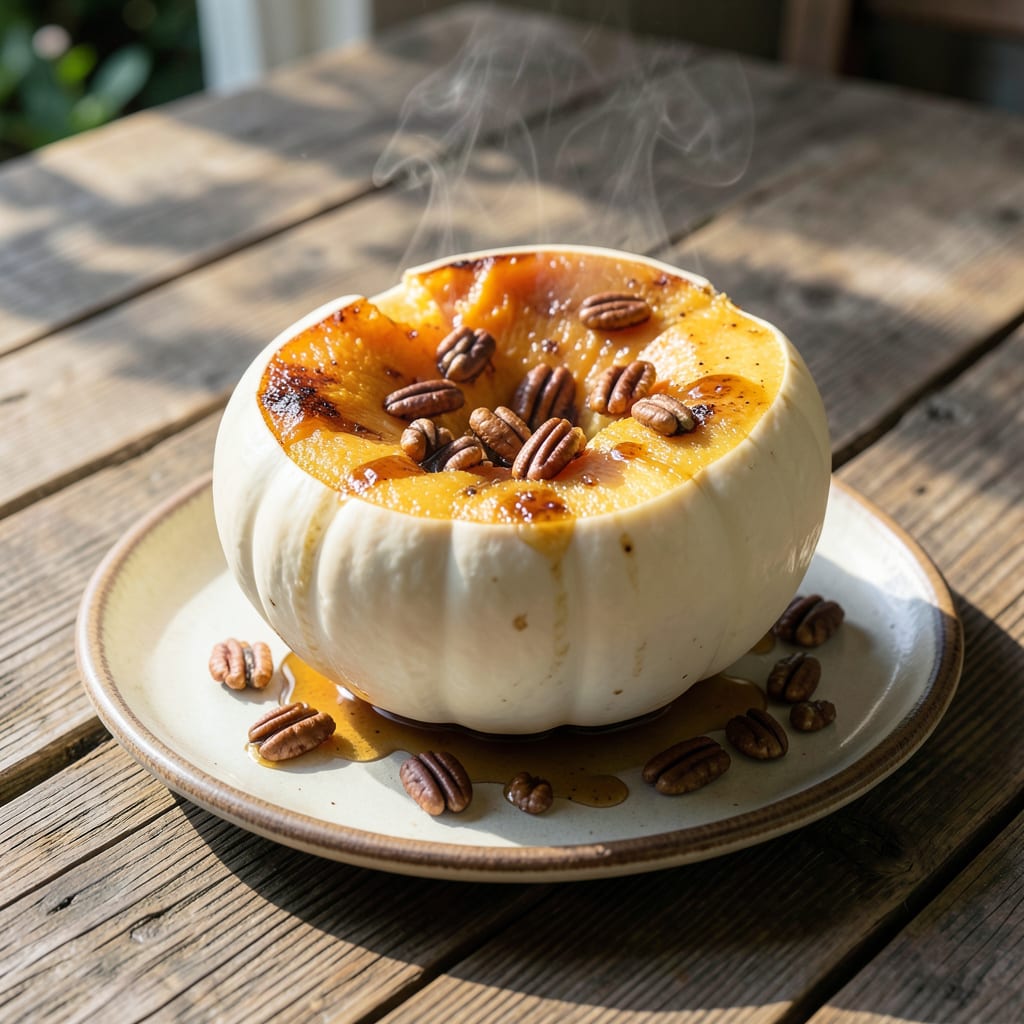
Swan White Acorn Squash changed how I think about fall harvests. The first time I grew these, I got dozens of sweet, nutty squashes from just a few plants.
They thrive in full sun with rich soil and consistent watering. The vines spread wide, but the payoff is worth every inch of garden space.
📚 In This Guide
Here’s the method I use to grow reliable, sweet squash every season without fail.
Choose a location with full sun and well-draining soil. I test my soil by digging a 12-inch deep hole and filling it with water—if it drains within 30 minutes, the site is suitable. Work in 2-3 inches of compost to improve fertility and structure.
Space your planting area at least 3-4 feet apart for each vine. Swan White acorn squash needs room to sprawl, and crowding leads to poor air circulation and disease. Raised beds work well if your soil stays soggy after rain.
Remove any weeds or debris that might compete with young plants. A clean site prevents early struggles and gives your squash the best start.
Sow seeds directly after the last frost when soil temperatures reach at least 60°F. Plant seeds 1 inch deep and 3-4 inches apart in hills or rows. I prefer hills—mound soil 6 inches high and 18 inches wide to improve drainage and warming.
If using transplants, handle them carefully to avoid disturbing roots. Set them at the same depth they grew in their containers. Water immediately after planting to settle the soil around the roots and eliminate air pockets.
Keep soil evenly moist, especially during the first 4-6 weeks of growth. Water at the base of the plant in the morning to allow leaves to dry during the day, which prevents fungal diseases. Use 1-1.5 inches of water per week, more if the weather turns hot and dry.
Apply a 2-3 inch layer of organic mulch like straw or shredded leaves around plants once they’re 6 inches tall. Mulch retains moisture, suppresses weeds, and keeps soil temperatures stable. Avoid piling mulch against the stem, which can cause rot.
Feed plants with a balanced fertilizer when vines start to run, then switch to a low-nitrogen formula once flowers appear. I use a 10-10-10 blend initially, then switch to 5-10-10 to encourage fruiting over leafy growth.
Watch for the first female flowers—they have a tiny squash at the base. These appear about 6-8 weeks after planting. If bees are scarce, you can hand-pollinate by transferring pollen from male to female flowers with a small paintbrush in the morning when flowers are open.
Swan White acorn squash is ready in 80-100 days. Harvest when the rind is hard and deep cream to white in color, and the stem begins to dry. Use pruning shears to cut the fruit from the vine, leaving 2-3 inches of stem attached to prevent rot.
Cure squash in a warm, dry place for 7-10 days to harden the skin further. Store in a cool, dry location where they’ll keep for 2-3 months. Don’t store near apples or pears—their ethylene gas speeds up squash decay.
Small details make the difference between a good harvest and an exceptional one.
Soil Test Tip: In Step 1, that 30-minute drainage test is non-negotiable. If water lingers longer, your soil will suffocate roots. I learned this the hard way after losing a whole row to rot. Work in that 2-3 inches of compost to improve both drainage and fertility.
Spacing Wisdom: The 3-4 feet between plants in Step 1 isn’t arbitrary. Swan White vines can stretch 6-8 feet, and crowding invites powdery mildew. I mark my rows with stakes first to visualize the space—trust me, it’s worth the extra minute.
Temperature Matters: For Step 2, don’t rush planting. That 60°F soil temperature is the magic threshold where seeds germinate reliably. Use a soil thermometer—it’s more accurate than guessing. I’ve ruined early plantings by jumping the gun on warm days when the soil was still cold.
Pollination Insight: In Step 4, those first female flowers at 6-8 weeks are your harvest clock. If bees are scarce, hand-pollinating with a paintbrush in the morning (when flowers open) boosts fruit set. I do this every season now and get nearly double the squash.
Look for a deep cream color, hard rind, and a dry stem. The squash should feel heavy for its size, and the skin should resist punctures from your fingernail.
Yes, but choose a large container (at least 5 gallons) with good drainage. Use a trellis for vertical support, as vines can spread up to 6 feet.
Store in a cool, dry place (50–55°F) with good airflow. Properly cured squash can last 2–3 months. Avoid refrigeration, as it can cause spoilage.
Common issues include poor pollination, over-fertilization, or insufficient sunlight. Hand-pollinate if bees are scarce, and ensure plants get 6–8 hours of sun daily.
Yes! Try Table Ace or Carnival squash for similar sweet, nutty flavors. Butternut squash is another great option with a longer storage life.
