
Beautiful Plants For Your Interior
Beautiful Plants For Your Interior
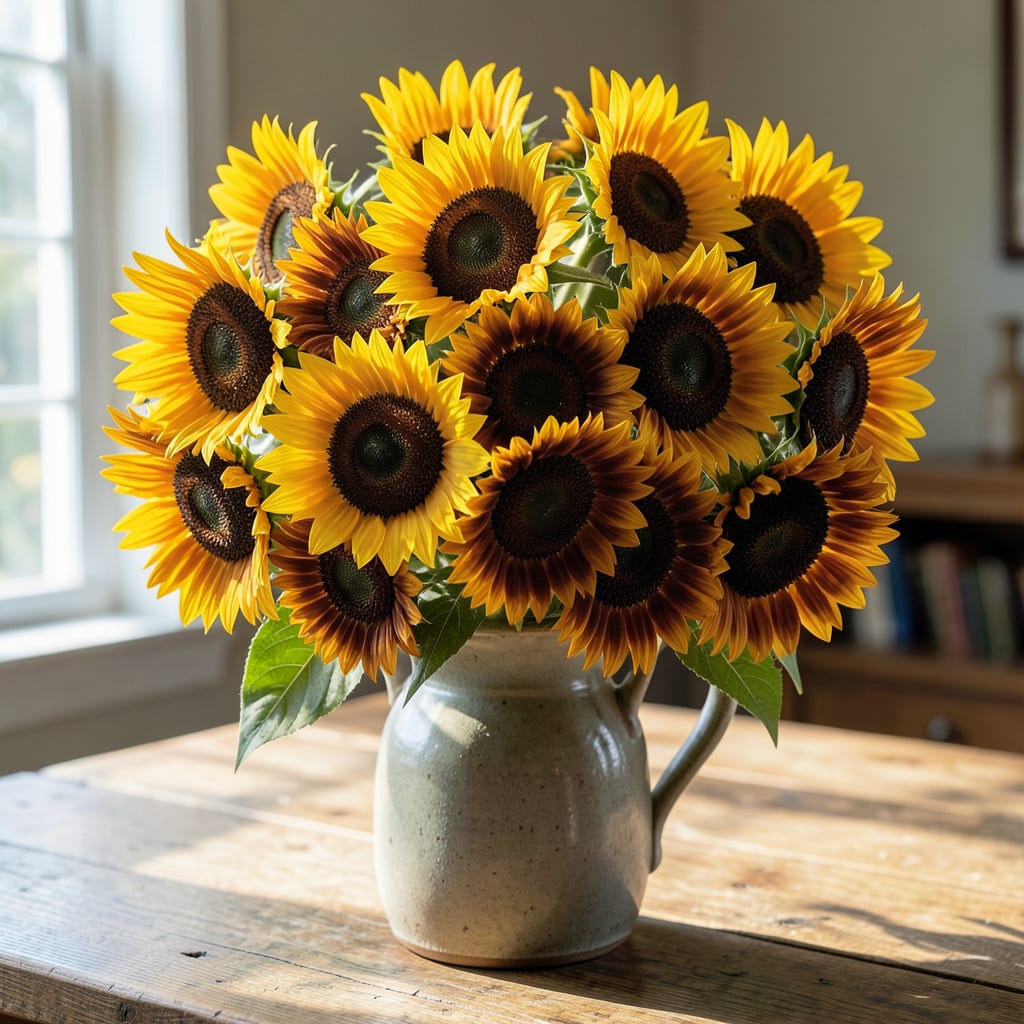
This summer combo stops bees in their tracks. 🌟 I planted sunflowers and black-eyed Susans together last year, and the pollinator traffic was insane—constant buzzing from dawn to dusk.
The tall sunflowers create a dramatic backdrop while the Susans fill in with their golden petals and dark centers. Together, they give you months of color with almost no maintenance, and the bees absolutely love the one-two punch.
📚 In This Guide
Here’s the method I use to create a vibrant, pollinator-friendly display that thrives all summer long.
Select a spot with full sun—both sunflowers and black eyed susans need at least 6-8 hours of direct sunlight daily. The soil should drain well; if yours is heavy clay, amend it with compost to improve structure. I always test drainage by digging a 1-foot hole and filling it with water—if it drains within an hour, you’re good to go.
Loosen the soil to a depth of 12-18 inches and remove any weeds or debris. This encourages deep root growth, which is critical for sunflowers to stay upright in wind. Work in a 2-3 inch layer of organic matter to boost fertility without over-fertilizing, which can lead to weak stems in sunflowers.
For sunflowers, plant seeds 1 inch deep and 12-18 inches apart, depending on the variety—dwarf types can be closer, while giant varieties need more room. Black eyed susans can be planted from seed or transplants; space them 18-24 inches apart to allow for their spreading habit.
If starting from seed, water the area gently after planting to avoid dislodging them. I like to plant sunflowers in small clusters of 3-4 seeds, then thin to the strongest seedling once they’re 2-3 inches tall. For black eyed susans, sow seeds in early spring or fall, or set out transplants in spring after the last frost.
Water deeply after planting and keep the soil consistently moist until seeds germinate or transplants establish—this usually takes 7-14 days. Once established, both plants are drought-tolerant, but sunflowers will wilt dramatically if the soil dries out completely, so check them during dry spells.
Apply a 2-3 inch layer of mulch around the base of the plants to retain moisture and suppress weeds. I use straw or shredded leaves, keeping the mulch 1 inch away from the stems to prevent rot. Black eyed susans, in particular, benefit from mulch as it helps maintain even soil moisture for their long bloom season.
If you’re growing tall sunflower varieties, install stakes or a trellis at planting time to support them as they grow. I tie stems to stakes with soft garden twine, checking ties every 2 weeks to ensure they’re not too tight. Black eyed susans rarely need staking but can flop if grown in overly rich soil or partial shade.
Deadhead spent sunflower blooms to encourage more flowers, though leaving some to mature provides seeds for birds. For black eyed susans, regular deadheading extends the bloom period and prevents self-seeding if you don’t want volunteers. This simple step keeps your display looking fresh and vibrant for weeks.
Here’s what I’ve learned from years of growing these pollinator favorites.
The Sunlight Factor: Both plants need that 6-8 hours of direct sunlight daily—no cutting corners here. If your garden has partial shade, prioritize the sunniest spot for sunflowers, as they’re the most light-demandings. Black eyed susans are slightly more forgiving but still bloom best with full sun.
Soil Prep Secret: That 12-18 inch soil loosening depth isn’t just suggestion—it’s critical for sunflower roots to anchor deeply. I skipped this once and watched my tallest varieties topple in a summer storm. Also, keep that 2-3 inch layer of organic matter light; too much can smother seedlings.
Spacing Strategy: For sunflowers, the 12-18 inch spacing works for most varieties, but giant sunflowers need the full 18 inches (or more) to prevent competition. Black eyed susans at 18-24 inches apart will spread nicely without choking each other. Confession: I planted mine too close once and spent the season untangling stems.
Watering Wisdom: The 7-14 days establishment period is when most people overwater. Resist the urge to drench daily—deep, infrequent watering encourages deeper roots. Once established, your main job is checking during dry spells, especially for sunflowers which are drama queens about drought.
Yes! They’re perfect companions, thriving in similar sunny, well-drained conditions. Both attract pollinators like bees and butterflies, creating a vibrant, low-maintenance summer garden. Just space them 12-18 inches apart for healthy growth.
Plant sunflowers and black-eyed Susans in early spring after the last frost. Sunflowers grow quickly, while black-eyed Susans may take a year to establish but bloom reliably each summer. For a head start, sow seeds indoors 4-6 weeks before transplanting.
Try pairing with coneflowers, zinnias, or bee balm for a pollinator paradise. These share the same sunlight and soil needs while adding color diversity. Drought-tolerant options like blanket flowers also complement them beautifully.
Common culprits: too much shade, over-fertilizing (they prefer lean soil), or planting too late. Ensure they get full sun (6+ hours) and avoid high-nitrogen fertilizers. Patience helps—some varieties bloom best in their second year.
