
Beautiful Plants For Your Interior
Beautiful Plants For Your Interior
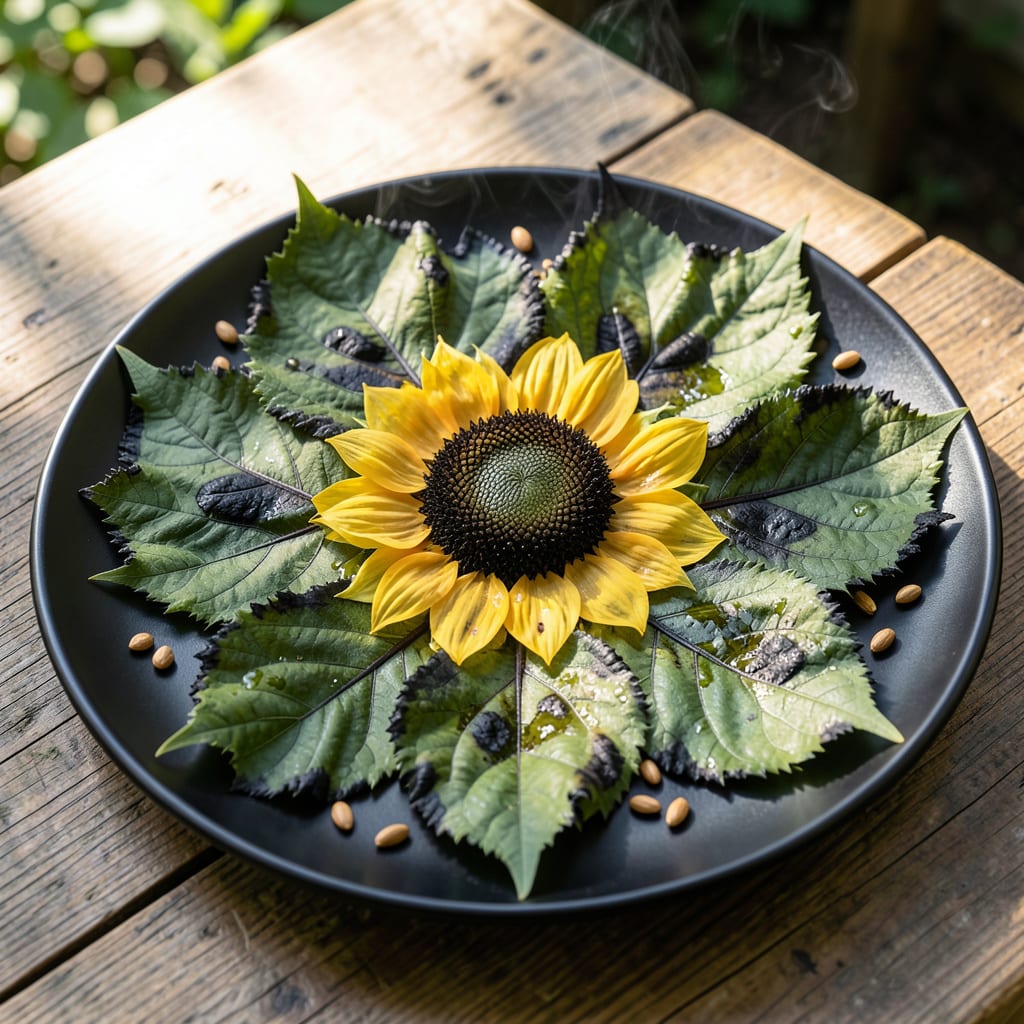
Black edges on sunflower leaves hit me like a gut punch last summer. I watched my tallest plants go from vibrant to struggling in days.
The culprit is usually one of three things: not enough water, too much salt in the soil, or a potassium shortage. Each leaves a slightly different pattern, but the fix starts with the same simple check of your watering routine.
You can turn this around fast. Adjust your watering, flush the soil, or add the right nutrient. Most sunflowers bounce back within 1-2 weeks of treatment.
Works for container plants and garden beds alike. Here’s how to diagnose and fix it properly.
Sunflower leaves developing black edges often signal underlying issues that need prompt attention. Below are the most common causes, explained with actionable insights.
Black or necrotic edges on sunflower leaves frequently stem from potassium (K) deficiency. Potassium is vital for water regulation and enzyme activation. Without it, leaf margins scorch and darken. A soil test can confirm low potassium levels. Apply a balanced fertilizer (e.g., 10-10-10) or potassium sulfate to restore balance.
Excess moisture suffocates roots, leading to root rot and impaired nutrient uptake. Sunflowers prefer well-draining soil; soggy conditions cause stress, manifesting as blackened leaf edges. Check soil moisture before watering—only water when the top inch feels dry. Improve drainage by amending soil with compost or sand.
Extreme heat or cold can trigger leaf scorch, where edges turn black due to cellular damage. Sunflowers thrive in 70–85°F (21–29°C). If temperatures spike, provide afternoon shade or mulch to retain moisture. Frost damage is irreversible, so protect young plants with row covers during unexpected cold snaps.
Fungal infections like alternaria leaf spot or pest damage (e.g., aphids) can cause secondary blackening. Inspect leaves for spots or pests. Treat fungal issues with copper-based fungicides, and combat pests with neem oil or insecticidal soap. Remove heavily infested leaves to prevent spread.
Here’s how to tackle black edges on sunflower leaves, broken down by cause and solution:
Overwatering: Let the soil dry slightly between waterings. Use well-draining soil and pots with drainage holes. Prevention tip: Stick your finger 1-2 inches into the soil—if it’s dry, it’s time to water. 💡
Underwatering: Deeply soak the soil until water runs out the bottom. Mulch around the base to retain moisture. Prevention tip: Water early in the morning to reduce evaporation.
Potassium/Phosphorus Lack: Apply a balanced fertilizer (10-10-10) or switch to one higher in potassium (0-10-10). Work it into the topsoil gently. Prevention tip: Test soil annually to catch imbalances early. 🎯
Calcium Deficiency: Add crushed eggshells to the soil or use a calcium-rich foliar spray. Prevention tip: Avoid over-fertilizing with nitrogen, which can block calcium uptake.
Temperature Extremes: Move potted sunflowers to shade during heatwaves or cover with frost cloth if cold snaps are forecast. Prevention tip: Plant in a spot with consistent temperatures. ✨
Pests/Disease: Prune affected leaves with sterilized scissors and treat with neem oil or fungicide. Prevention tip: Space plants for airflow and remove garden debris to deter pests.
Act fast—the sooner you address the issue, the quicker your sunflowers will bounce back! 🌻
Most sunflowers show improvement within 1-2 weeks after fixing the issue. Recovery time depends on the severity and how fast you address the root cause, like adjusting water or adding nutrients.
If caused by pests or fungal diseases, black edges can spread to nearby plants. Isolate affected sunflowers and treat with neem oil or fungicide to prevent further damage.
Tap water is generally fine, but high salt content can cause edge burn. If you notice black tips, try using distilled or rainwater for a few weeks to see if the issue improves.
Yes, removing heavily damaged leaves redirects energy to healthier growth. Always use sterilized scissors to avoid spreading disease.
