
Beautiful Plants For Your Interior
Beautiful Plants For Your Interior
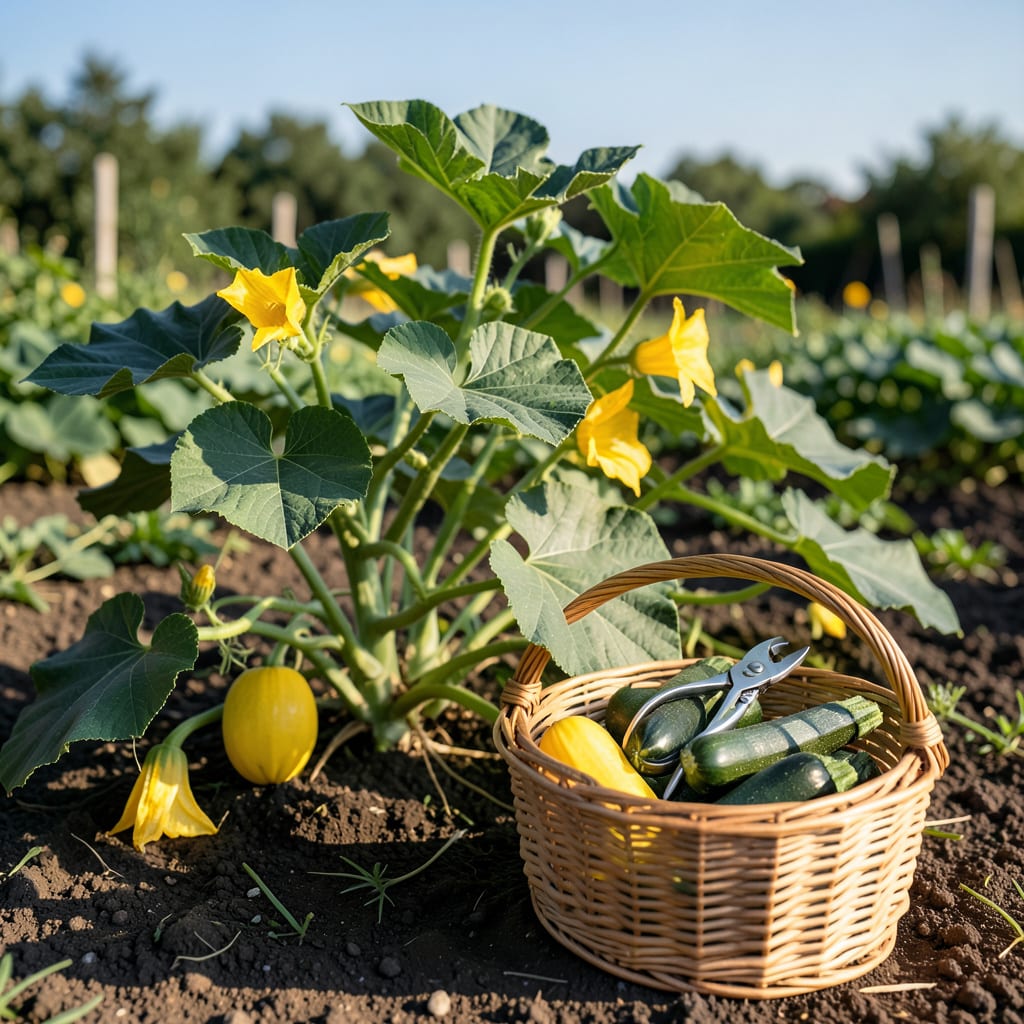
There’s nothing quite like the satisfaction of plucking a perfectly ripe 🥒 Summer Squash from your garden. But timing is everything—pick too soon, and it lacks flavor; wait too long, and it turns tough and seedy.
I’ll show you the simple visual cues and seasonal tips to harvest at peak tenderness. With these tricks, you’ll enjoy the best-tasting Summer Squash all season long.


Knowing the perfect harvest time for summer squash ensures the best texture and flavor. I look for visual cues like size, color, and skin hardness to determine ripeness. Each variety has slight differences, but the basics remain consistent.
For zucchini and yellow squash, the ideal size is 6-8 inches long. The skin should be shiny and tender, easily pierced with a fingernail. Pattypan squash is ready when it’s 3-4 inches in diameter.
| Variety | Ready Size | Skin Texture | Color Cue |
|---|---|---|---|
| Zucchini | 6-8 inches | Tender, pierceable | Deep green |
| Yellow Squash | 6-8 inches | Smooth, shiny | Bright yellow |
| Pattypan | 3-4 inches | Firm, thin | Pale yellow/white |
The stem is another key indicator. A green, pliable stem signals readiness, while a hard, brown stem means it’s overripe. I always check the blossom end too—it should feel slightly soft.
If the skin is dull or the squash feels hard to the touch, it’s past its prime. Overripe squash develops large, hard seeds and a tough texture, which is less enjoyable to eat fresh.
I’ve found that harvesting in the morning yields the best results. The squash is firm and hydrated after a cool night. Use a sharp knife or pruners to cut the stem cleanly, leaving about 1 inch attached.
For continuous harvests, I check my plants every 2-3 days during peak season. Summer squash grows incredibly fast, and a squash that’s perfect today might be overripe by tomorrow.
The color should be vibrant and uniform. For example, zucchini should be a rich, deep green, while yellow squash should be a bright, sunny hue. Any fading or dullness is a sign to harvest immediately.
If you’re unsure, test one squash first. Slice it open to check the seed size and flesh texture. The seeds should be small and soft, and the flesh should be tender and moist.
By paying attention to these visual and textural cues, you’ll always pick your summer squash at its peak. This ensures the best flavor and texture for your garden-fresh meals all season long 🌱
Harvesting summer squash properly keeps your plants healthy and productive. I always use clean, sharp tools to avoid tearing the vines or spreading disease. The right technique ensures a longer harvest season with minimal plant stress.
Timing matters too—early morning is ideal when squash is firm and the plant is hydrated. This reduces stress and helps the plant recover quickly after harvesting.
I’ve learned that overhandling the vines can reduce future yields. Instead of pulling or tugging, I gently lift the squash to inspect it, then cut the stem in one smooth motion. This keeps the plant intact and thriving.
Another tip: wear gloves to protect your hands from prickly stems and leaves. It also helps maintain a better grip, especially when harvesting in dewy morning conditions.
After harvesting, I inspect the plant for any signs of stress or pests. Removing damaged leaves or treating issues early keeps the plant strong for the next round of squash.
By following these careful harvesting practices, you’ll enjoy a steady supply of tender, flavorful summer squash while keeping your plants healthy and productive 🌿
Even experienced gardeners make harvesting mistakes that reduce yield and flavor. I’ve seen overripe squash turn tough and seedy, while underripe picks lack sweetness. Timing and technique are everything with summer squash.
The most common error is waiting too long to harvest. Summer squash grows rapidly, and what’s perfect today may be inedible tomorrow. I check my plants every 1-2 days during peak season.
⚠️ Harvesting Pitfalls
Waiting too long leads to tough, seedy squash with poor texture.
Picking too early results in small, flavorless vegetables.
Twisting squash off can damage vines and reduce future yields.
Another mistake is harvesting at the wrong time of day. I always pick in the early morning when squash is firm and cool. Midday heat can make them soft and less flavorful.
Mishandling the stem is also problematic. Never pull or twist the squash—this can break vines and invite disease. Always use clean, sharp pruners for a clean cut.
By avoiding these common errors, you’ll enjoy tender, flavorful squash all season. The key is consistency: regular checks, gentle handling, and proper timing 🌱
Check every 2-3 days during peak season. Summer squash grows incredibly fast, and what’s perfect today might be overripe tomorrow. Morning inspections work best when squash is firm and cool.
Overripe squash becomes tough, seedy, and loses its tender texture. The skin hardens and the flavor turns bland. Harvest at 6-8 inches for zucchini and yellow varieties to avoid this.
Early morning is ideal. The squash is most firm and hydrated after a cool night. This timing also helps the plant recover quickly from harvesting stress.
Pattypan is ripe when it reaches 3-4 inches in diameter. The skin should be firm yet thin, with a pale yellow or white color. The stem should still be green and pliable.
