
Beautiful Plants For Your Interior
Beautiful Plants For Your Interior
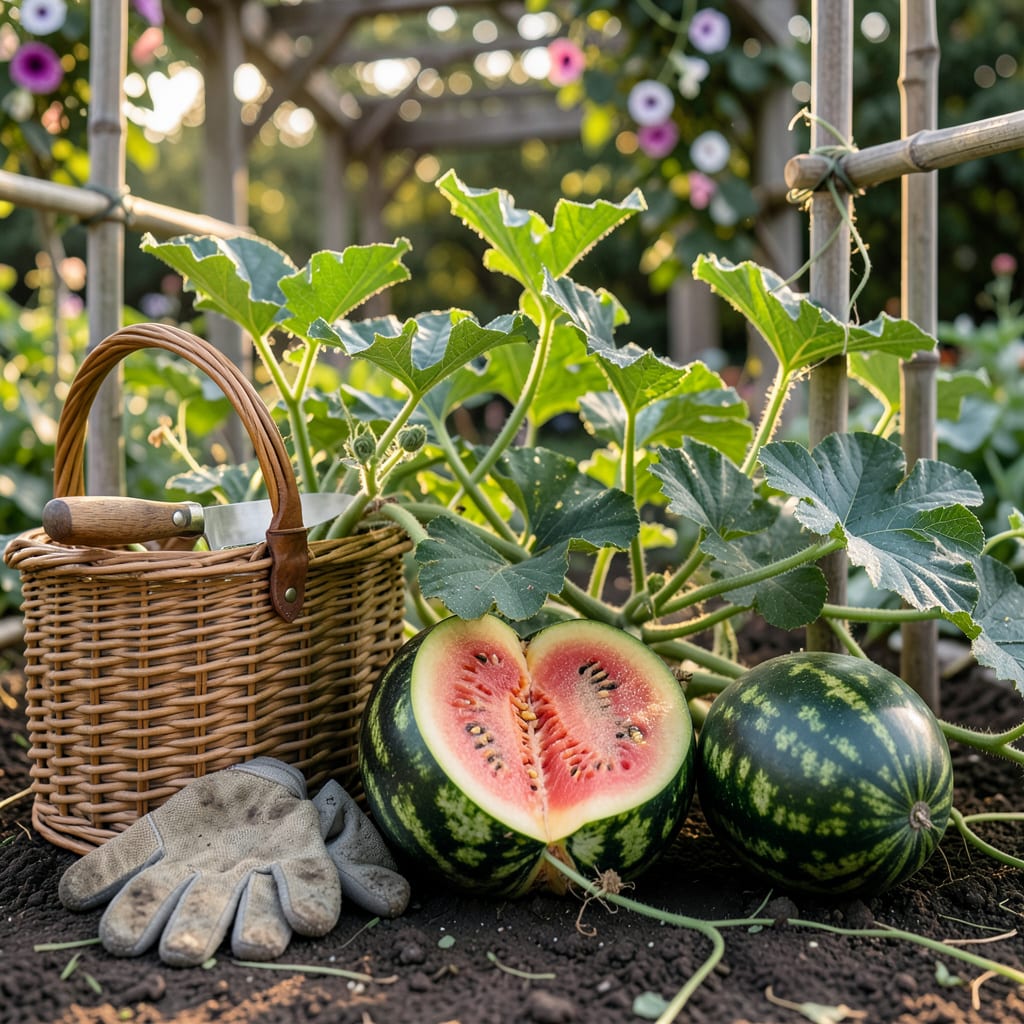
Picking a Sugar Baby watermelon too early means bland flavor, but waiting too long risks a mushy mess—so how do you know when it’s just right? That perfect balance is what separates a forgettable fruit from a juicy, sweet masterpiece.
I’ve spent seasons testing the best ways to harvest these compact powerhouses at their peak. From the telltale yellow ground spot to the classic thump test, I’ll show you exactly what to look for. Let’s make sure your 🍉 Sugar Baby Watermelon delivers that ideal summer crunch every time.


Timing is everything with Sugar Baby watermelons. These compact, early-maturing fruits reach peak sweetness in just 75–80 days, but knowing the exact moment to harvest can be tricky. Unlike larger varieties, Sugar Babies give subtle clues when they’re ready.
I’ve found that relying on just one sign isn’t enough—you need to check multiple indicators. From the tendril’s color to the ground spot’s hue, each detail tells part of the ripeness story. Let’s break down the five foolproof signs to ensure your melon is bursting with flavor.
The thump test often stumps new growers, but here’s the trick: use your knuckles, not your palm. A ripe Sugar Baby will sound like a low, resonant drum, while an underripe one gives a high-pitched ping. Practice on a few melons to train your ear.
Don’t ignore the ground spot—this is where the melon contacts the soil. A ripe Sugar Baby develops a golden-yellow patch about the size of your hand. If it’s still pale or green, give it more time. This spot forms as chlorophyll breaks down, signaling sugar development inside.
For the tendril method, focus on the one closest to the fruit’s stem. When it turns completely brown and crispy, the melon is typically ready. However, in very dry climates, tendrils may brown prematurely—always cross-check with other signs.
Size matters with Sugar Babies. These melons typically reach 6–8 inches in diameter and weigh 8–12 pounds when mature. If your fruit is significantly smaller, it likely needs more time—unless your growing season was unusually cool.
Once harvested, Sugar Babies don’t ripen further, so timing is critical. I recommend checking your plants every 2–3 days as they approach maturity. The perfect harvest window is narrow—usually just 3–5 days—so stay vigilant!
After picking, let your melon sit at room temperature for a day to enhance sweetness. Store uncut Sugar Babies in a cool, dry place for up to 2 weeks, but once sliced, refrigerate and enjoy within 3–4 days for best flavor.
Remember, Sugar Babies ripen faster than larger varieties due to their compact size. In hot climates, they may mature even earlier than the 75-day mark, so start checking at 70 days if temperatures consistently exceed 90°F.
Not all watermelons ripen at the same pace, and Sugar Baby has its own unique timeline. While larger varieties like Crimson Sweet need 85–95 days, these compact melons are ready in just 75–80 days. Their smaller size means faster sugar development.
The key difference lies in their growth habit. Sugar Babies concentrate their energy into fewer, smaller fruits, accelerating the ripening process. In warm climates, they may even finish 5–7 days earlier than the standard range. Let’s compare how their harvest signals stack up against other favorites.
| Variety | Days to Maturity | Size at Harvest | Key Ripeness Sign | Climate Sensitivity |
|---|---|---|---|---|
| Sugar Baby | 75–80 days | 6–8″ diameter, 8–12 lbs | Tendril browns + yellow ground spot | Ripens faster in heat |
| Crimson Sweet | 85–95 days | 10–12″ diameter, 20–25 lbs | Dull rind + deep hollow thump | Needs consistent warmth |
| Black Diamond | 90–100 days | 12–14″ diameter, 30–50 lbs | Rind turns black-green + tendril dies | Slower in cool seasons |
| Moon & Stars | 90–100 days | 10–12″ diameter, 25–35 lbs | Yellow spots brighten + rind dulls | Needs long warm season |
Sugar Babies often develop their yellow ground spot earlier than larger varieties. While a Crimson Sweet might need a full week to transition from white to yellow, your Sugar Baby can make this change in just 3–4 days once it starts.
The thump test works differently too. A ripe Sugar Baby produces a higher-pitched hollow sound compared to the deep bass note of a mature Black Diamond. I recommend practicing with both hands—your dominant knuckles give the most consistent results.
In cooler climates, Sugar Babies may take the full 80 days or slightly longer. If nighttime temperatures dip below 60°F, add 5–7 days to your expected harvest time. Their compact size makes them more vulnerable to temperature swings.
Unlike larger watermelons that can handle a week-long harvest window, Sugar Babies stay at peak ripeness for only 3–5 days. This narrow window means you’ll need to check your plants more frequently as they approach maturity.
After harvesting, Sugar Babies store better than most varieties. Their thick rind and small size mean they’ll keep for up to 3 weeks in a cool, dry place—double the storage time of many larger watermelons.
Timing your Sugar Baby watermelon harvest perfectly makes all the difference between a sweet, juicy treat and a disappointing dud. I’ve seen gardeners rush to pick at the first sign of yellowing, only to find pale, flavorless flesh inside. On the flip side, waiting too long can leave you with fermented, mushy fruit.
Let’s break down exactly what goes wrong when you mistime your harvest—and how to salvage what you can. The good news? Even if you’ve picked too soon or too late, there are still ways to make the most of your melon. Here’s what to watch for and how to adjust next time.
Can you fix it? No—once picked, Sugar Babies won’t ripen further. Use in smoothies or fruit salads where sweetness isn’t critical.
Can you fix it? Partially—cut out any soft spots and use immediately. Overripe melons are best for juicing or composting.
An underripe Sugar Baby often feels unusually heavy for its size because the water content hasn’t converted to sugars yet. The flesh will be crunchy rather than crisp, and the seeds may appear white instead of mature black. I once picked a batch 5 days early—they looked perfect but tasted like cucumbers!
Overripe melons develop a sweet-alcohol odor near the stem end, which is fermentation beginning. The rind may show dark green streaks or soft depressions when pressed. In my experience, overripe Sugar Babies decline faster than larger varieties—use them within 24 hours of picking.
The golden window for Sugar Babies is just 3–5 days at peak ripeness. Unlike Crimson Sweets that hold well on the vine for a week, these compact melons can overripen quickly in hot weather. I recommend checking daily once you spot the first yellow ground spot forming.
If you’re unsure, perform the fingernail test: press your thumbnail into the rind. A ripe Sugar Baby will resist slightly then bounce back. If it dents easily, it’s overripe; if it doesn’t give at all, it needs more time. This simple test has saved me from many harvesting mistakes!
Don’t worry—focus on the other signs! Check for a creamy yellow ground spot and a dull rind instead of glossy. The thump test becomes even more important here. A ripe one will still sound hollow when tapped.
Unfortunately no. Unlike some fruits, watermelons don’t ripen after picking. If harvested early, the flesh stays pale and bland. Always wait for the yellow ground spot and brown tendril before cutting from the vine.
Early morning is ideal, while temperatures are still cool. This helps preserve the melon’s crisp texture. Use clean pruners to cut the stem, leaving 1-2 inches attached. Avoid harvesting during peak afternoon heat.
This usually happens with inconsistent watering. Fluctuations cause sugar to dilute. Maintain even moisture (about 1-2 inches per week) during fruit development. Hot spells can also reduce sweetness—provide afternoon shade in extreme heat.
