
Beautiful Plants For Your Interior
Beautiful Plants For Your Interior
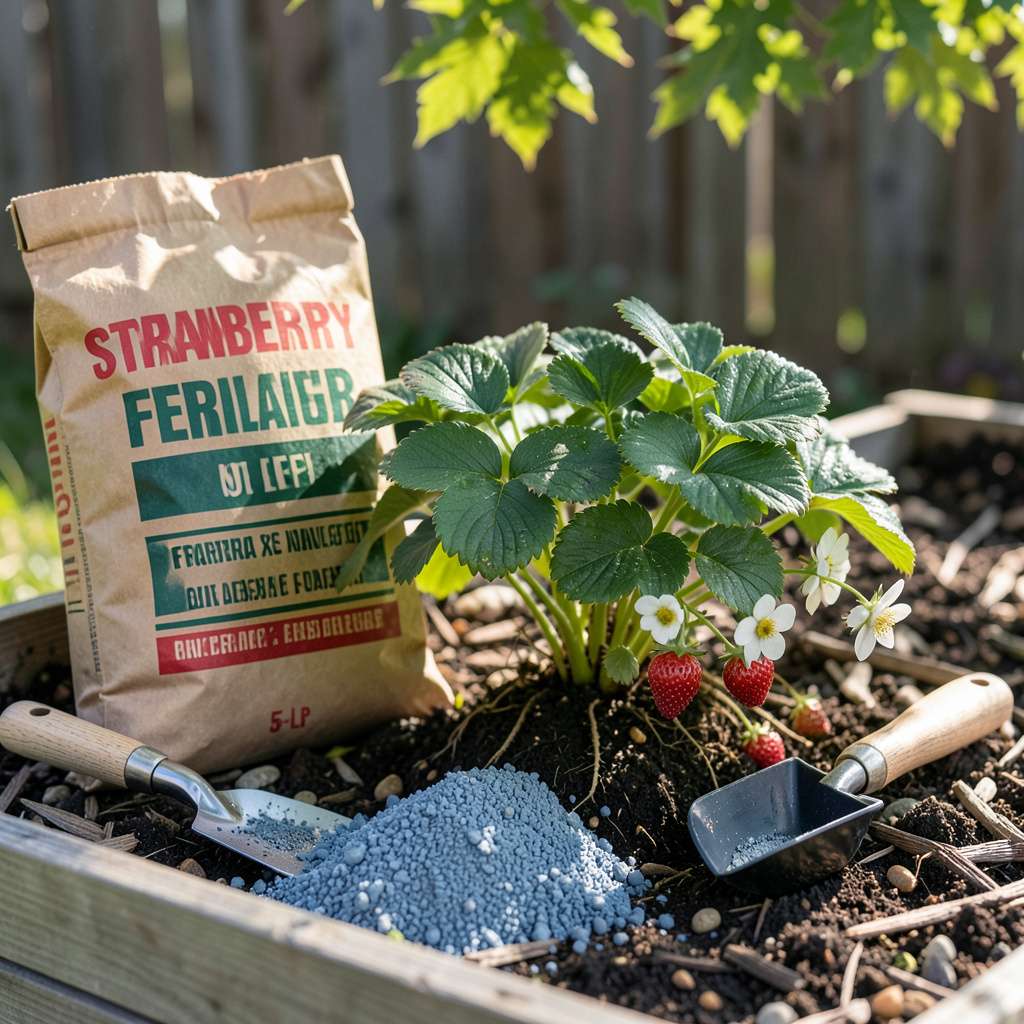
The best strawberry fertilizer is a balanced 10-10-10 or 5-10-10 NPK blend, applied early spring and after harvest. Organic options like fish emulsion or composted manure also work well for steady growth and fruit production.
I’ve tested dozens of fertilizers in my own strawberry patches, and the real game-changer comes from matching the nutrient profile to the plant’s growth phase. 🌱 Early spring calls for higher nitrogen to kickstart leafy growth, while potassium-heavy blends during fruiting boost sweetness and size. What many gardeners overlook is soil pH—strawberries thrive in slightly acidic conditions (5.5-6.5), so I always pair fertilizer with a quick pH test. The organic options shine for long-term soil health, but synthetic blends give that immediate nutrient punch when plants look sluggish.
💡 In This Article
Strawberries have distinct nutritional needs that change dramatically between growth phases. The NPK numbers on fertilizer bags represent nitrogen (N), phosphorus (P), and potassium (K) percentages—each playing a critical role. Early spring demands higher nitrogen (10-10-10 blend) to fuel leafy growth and establish strong crowns.
This is when plants build their photosynthetic engines for the season ahead. 🌱
As plants transition to flowering and fruiting, potassium becomes the star player. A 5-10-10 ratio during this phase enhances fruit quality by improving sugar transport and water regulation in berries. Phosphorus supports root development and flower formation, but strawberries need less than many gardeners assume—excess phosphorus can actually inhibit micronutrient uptake.
The ideal phosphorus level sits around 5-10% of the NPK ratio for most varieties.
Timing applications to growth stages makes all the difference. I apply nitrogen-heavy fertilizer when new leaves emerge in early spring, then switch to potassium-focused blends as soon as I see flower buds forming. This mimics the plant’s natural nutrient demands—early season nitrogen for vegetative growth, followed by potassium for fruit development and disease resistance. 🍓
The science behind this lies in how strawberries allocate resources. Nitrogen fuels chlorophyll production for photosynthesis, while potassium regulates the plant’s internal water pressure (turgor) that determines berry firmness. Phosphorus, though needed in smaller quantities, is crucial for energy transfer during fruit set.
What most gardeners don’t realize is that strawberries are relatively light feeders compared to vegetables—they thrive on consistent, moderate nutrition rather than heavy feeding.
Soil testing reveals another layer of complexity. In my garden journals, I’ve noted that strawberries in sandy soil often need more frequent, lighter applications (½ cup per plant every 4-6 weeks), while clay soils benefit from less frequent but deeper fertilization.
The key is maintaining steady nutrient availability without salt buildup that can burn tender roots. ✨
Consider these stage-specific recommendations:
The post-harvest feeding is what separates good harvests from great ones. After fruiting, strawberries begin developing next year’s flower buds. A balanced organic fertilizer like fish emulsion (5-1-1) at this stage provides gentle nutrition while improving soil microbiology.
This is when I see the biggest payoff in subsequent seasons—plants that receive proper post-harvest care consistently produce 20-30% more berries the following year. 💫
Apply the first round in early spring when new growth appears, then again after harvest. A light feeding in late summer helps prepare plants for winter. Always water thoroughly after applying to prevent root burn.
Regular garden fertilizers often have too much nitrogen, which promotes leafy growth at the expense of fruit. Look for blends specifically formulated for berries or use a balanced 10-10-10 ratio.
Container plants need more frequent feeding—every 3-4 weeks during growing season. Use a diluted liquid fertilizer to avoid salt buildup in the limited soil volume.
Yellowing leaf edges, stunted growth, or salt crust on soil surface indicate over-fertilization. If this happens, flush the soil with water and hold off on feeding for 4-6 weeks.
Compost provides excellent organic matter but lacks sufficient phosphorus and potassium for optimal fruiting. Supplement with bone meal for phosphorus and kelp meal for potassium during flowering.
