
Beautiful Plants For Your Interior
Beautiful Plants For Your Interior
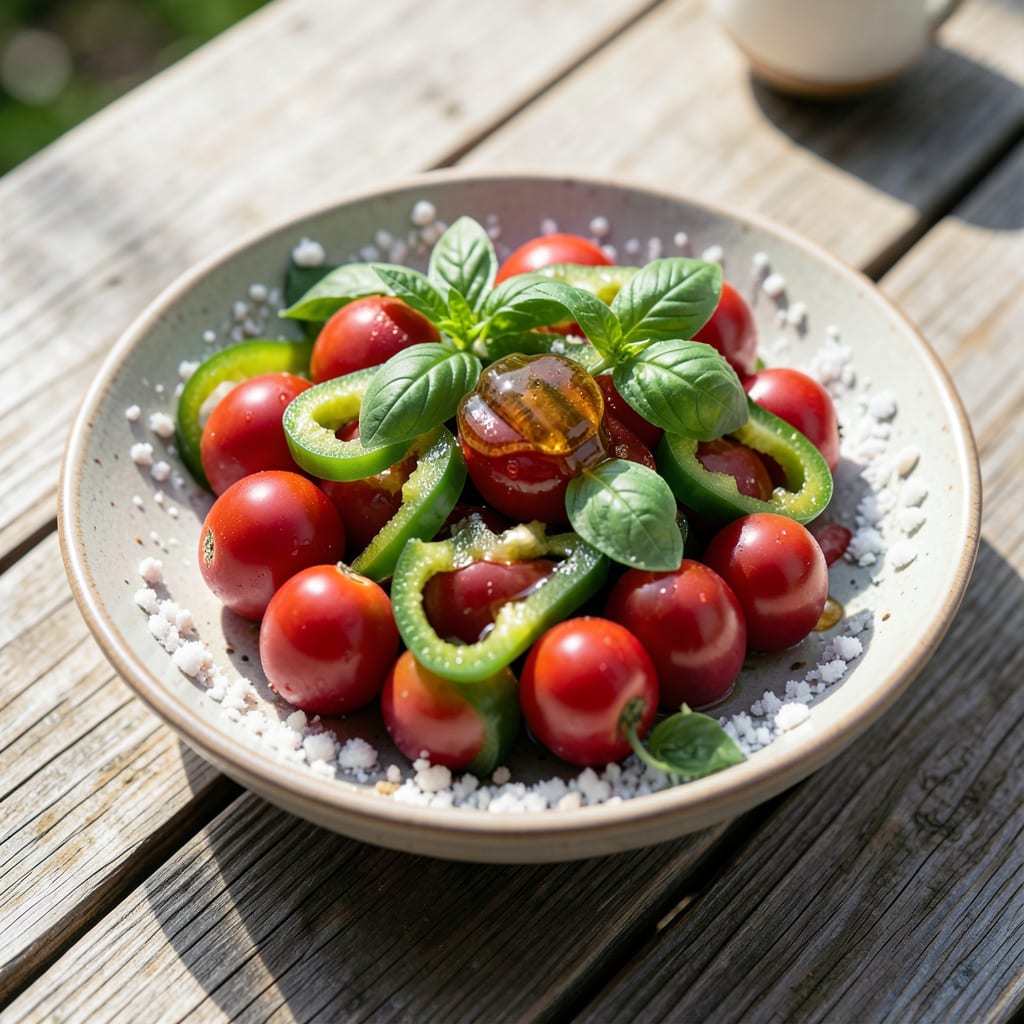
Nothing ruins a tomato harvest faster than that sunken, black spot on the bottom of your fruit. I lost half my crop to blossom end rot last summer before figuring out the simple fix.
The problem isn’t complicated: it’s usually a calcium shortage or uneven watering. Most gardeners assume they need to add more fertilizer, but that often makes things worse. The solution starts with testing your soil and adjusting your watering routine.
With a few tweaks—like adding crushed eggshells or using calcium-rich amendments—you can prevent this issue entirely. Your tomatoes will develop strong cell walls and resist that ugly rot.
Works for peppers and squash too. Here’s how to keep your plants healthy all season long.
Blossom end rot isn’t caused by a pathogen—it’s a physiological disorder triggered by environmental and nutritional imbalances. Here’s a breakdown of the primary causes, each with a clear, science-backed explanation.
The most direct cause is insufficient calcium in the developing fruit. Calcium is a structural component of cell walls, and without it, cells at the blossom end collapse, creating the telltale dark, sunken lesions. This deficiency often arises from uneven soil calcium levels or poor calcium uptake due to root damage or competition from other nutrients like potassium or magnesium.
When tomato plants grow too quickly—often due to excess nitrogen or warm, humid conditions—the demand for calcium outpaces the plant’s ability to transport it to the fruit. The blossom end, being the farthest from the root system, suffers first. Pruning aggressively or over-fertilizing with high-nitrogen blends can exacerbate this.
Calcium moves through the plant via water flow. Drought stress or erratic watering (e.g., letting soil dry out completely between waterings) disrupts this transport. Even if soil has ample calcium, moisture fluctuations prevent the plant from absorbing and distributing it effectively. Mulching can help stabilize soil moisture to mitigate this.
Soil pH outside the 6.0–6.8 range locks up calcium, making it unavailable to roots. Highly acidic or alkaline soils bind calcium to other minerals, reducing its solubility. A simple soil test can confirm if pH adjustments (e.g., adding lime for acidic soil) are needed to free up existing calcium reserves.
Blossom end rot can be frustrating, but these targeted fixes will help you restore calcium balance and save your tomato crop. Address the root causes with these practical solutions:
Inconsistent watering disrupts calcium uptake. Water deeply 1–2 times per week (more in extreme heat) to keep soil moisture steady. Use drip irrigation or soaker hoses to deliver water directly to roots and avoid wetting foliage. Mulch with straw or wood chips to retain moisture and prevent soil fluctuations.
Prevention tip: 💡 Check soil moisture 2 inches down—if it’s dry, it’s time to water.
If soil tests confirm calcium deficiency, amend with crushed eggshells (rinse, dry, and grind into powder) or gypsum (calcium sulfate). For quick absorption, use a calcium-rich foliar spray (like calcium chloride or nitrate) and apply early in the morning for best results.
Prevention tip: ✨ Add compost or well-rotted manure before planting to improve soil structure and calcium availability.
Calcium is less accessible if soil pH is too high or low. Test your soil—tomatoes thrive at 6.0–6.8 pH. Lower pH with sulfur or raise it with lime, following package instructions. Retest after a few weeks to confirm adjustments.
Excess nitrogen promotes leafy growth at the expense of fruit health. Switch to a balanced fertilizer (e.g., 10-10-10) or one lower in nitrogen (like 5-10-10). Avoid high-nitrogen feeds during fruiting.
Prevention tip: 🎯 Side-dress with compost tea for gentle, nutrient-rich feeding.
Compacted soil or cultivation too close to stems can harm roots, limiting calcium uptake. Loosen soil gently around plants and avoid hoeing near the base. If roots are damaged, apply a mycorrhizal inoculant to help rebuild root health.
A calcium foliar spray works fastest, often within 24-48 hours. For soil amendments like eggshells or gypsum, allow 2-3 weeks for plants to absorb the nutrients.
Yes, peppers, squash, and melons are also prone to this issue. The same calcium-rich solutions work for all these crops. Consistency in watering is key for prevention.
Yes, overwatering can leach calcium from the soil or suffocate roots. Maintain even moisture—neither drought nor waterlogging. Mulch helps regulate soil conditions.
No, excess nitrogen worsens the problem. Use a balanced fertilizer and avoid high-nitrogen blends during fruiting. Focus on calcium-specific amendments instead.
