
Beautiful Plants For Your Interior
Beautiful Plants For Your Interior
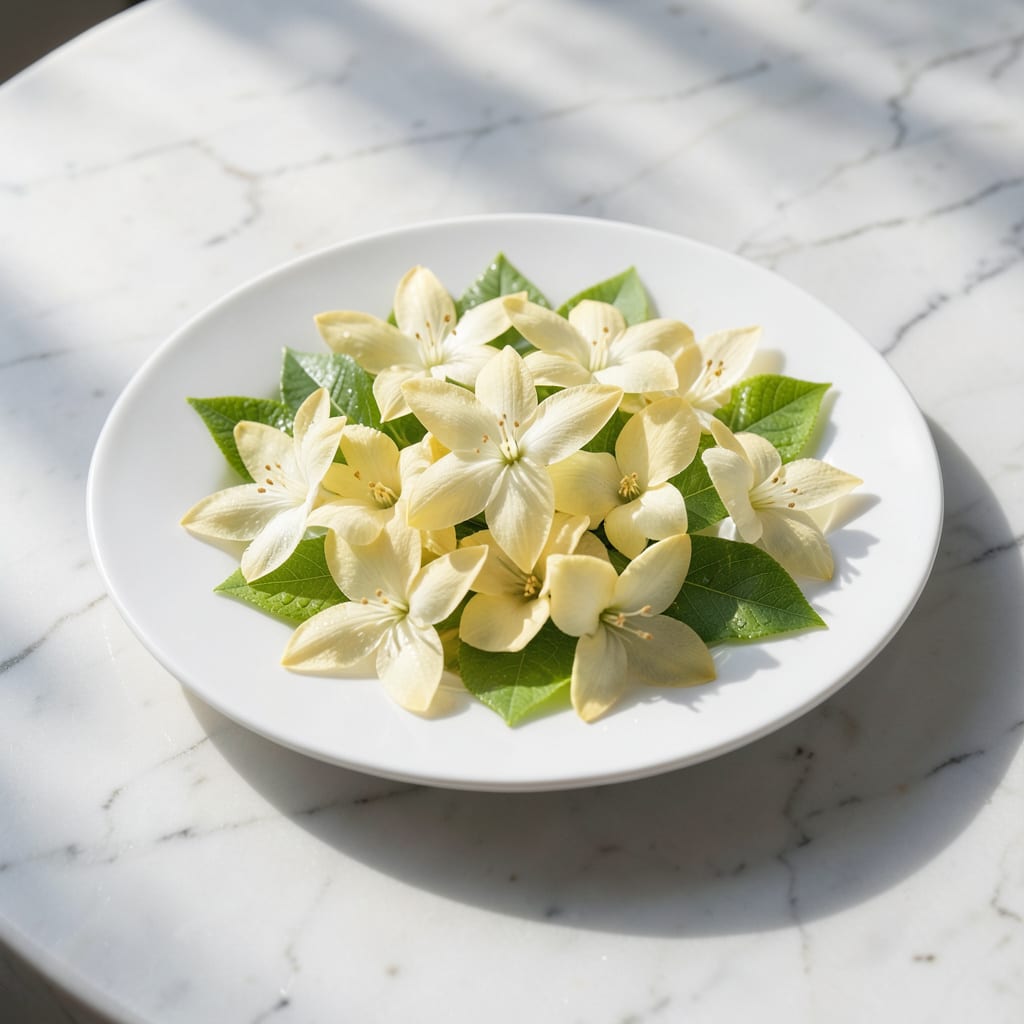
Yellow leaves on star jasmine aren’t just ugly—they’re your plant’s way of waving a white flag. I’ve seen this happen mid-season, and the fix is usually simpler than you’d think.
Most cases come down to 3 things: too much water, not enough light, or hungry roots. The leaves turn yellow slowly at first, then whole sections fade. Catch it early and you can reverse the damage in 2-3 weeks.
What you’ll get is a plant that bounces back with deep green growth, stronger stems, and flowers that actually smell like summer again. The key is diagnosing which problem you’re dealing with first.
Works for potted plants, ground covers, or climbing vines. Here’s how to play plant detective.
Star jasmine leaves turning yellow often signal underlying issues that need immediate attention. Here are the most common causes, along with scientific explanations to help you diagnose and act.
Excess water suffocates the roots, preventing oxygen uptake and leading to root rot. In star jasmine (Trachelospermum jasminoides), this triggers chlorophyll breakdown, causing leaves to yellow. Ensure pots have drainage holes and soil feels dry 1-2 inches down before watering again.
Yellowing often indicates nitrogen, magnesium, or iron deficiencies. Nitrogen supports chlorophyll production, while magnesium is central to its structure. Iron, though needed in trace amounts, is critical for photosynthesis. Use a balanced fertilizer (10-10-10) and consider soil pH testing—star jasmine prefers slightly acidic to neutral soil (6.0–7.0).
Sudden temperature drops, frost, or extreme heat disrupt cellular functions. Cold stress damages chloroplasts, while heat accelerates water loss, both leading to yellowing. Protect plants from drafts and maintain consistent temperatures between 60–75°F (15–24°C).
Sap-sucking pests like spider mites or aphids drain nutrients from leaves, causing chlorosis (yellowing). Check undersides of leaves for webbing or sticky residue. Treat with neem oil or insecticidal soap to restore plant health.
Pathogens like Phytophthora or leaf spot diseases disrupt nutrient transport. Infected leaves often yellow in patches or develop spots. Improve air circulation, avoid overhead watering, and apply fungicides if needed.
If your star jasmine is sporting yellow leaves, don’t panic—most causes are fixable with a few simple adjustments. Below are targeted solutions for each common issue, plus tips to keep your plant thriving long-term.
Fix: Let the soil dry out completely between waterings. If the roots are soggy or rotting, repot the plant in fresh, well-draining soil and a container with drainage holes. Trim any black, mushy roots before replanting.
Prevention: Use a moisture meter or stick your finger 2 inches into the soil—only water if it feels dry. Elevate pots to avoid waterlogging. 💡 Pro tip: Terracotta pots help wick away excess moisture!
Fix: Apply a balanced, water-soluble fertilizer (10-10-10 or 20-20-20) every 4-6 weeks during the growing season (spring to fall). For iron deficiency (yellowing between veins), use a chelated iron supplement or acidic fertilizer.
Prevention: Test your soil annually. Mix compost into the planting area for slow-release nutrients. Avoid over-fertilizing, which can burn roots.
Fix: Move potted jasmine to a spot with bright, indirect light (e.g., east-facing window or dappled shade outdoors). If leaves scorch in direct sun, provide afternoon shade. For leggy, pale growth, gradually introduce more light.
Prevention: Rotate indoor plants quarterly for even exposure. Outdoors, plant in a location with partial shade, especially in hot climates.
Fix: Spray leaves with neem oil or insecticidal soap to tackle spider mites, aphids, or scale. Wipe down leaves with a damp cloth to remove pests and their residue. For severe cases, prune heavily infested areas.
Prevention: Inspect new plants before bringing them near your jasmine. Keep the area clean of fallen debris, and encourage beneficial insects like ladybugs.
Fix: Shield plants from drafts, heaters, or AC vents. Move outdoor jasmine indoors if temperatures drop below 40°F (4°C). Use mulch to insulate roots from extreme heat or cold.
Prevention: Acclimate plants slowly to temperature changes. In winter, reduce watering and stop fertilizing until spring.
Water when the top 1-2 inches of soil feel dry. In hot weather, this may mean every 3-4 days, but always check first. Overwatering is a leading cause of yellow leaves.
A balanced 10-10-10 or 20-20-20 fertilizer works well. For iron deficiency, use chelated iron. Apply every 4-6 weeks during growing season.
Severely yellow leaves usually won’t recover, but new growth will be green if you fix the underlying issue. Remove damaged leaves to redirect energy to healthy growth.
Inspect leaf undersides for tiny bugs, webbing, or sticky residue. Spider mites and aphids are common culprits. Treat immediately with neem oil or insecticidal soap.
