
Beautiful Plants For Your Interior
Beautiful Plants For Your Interior
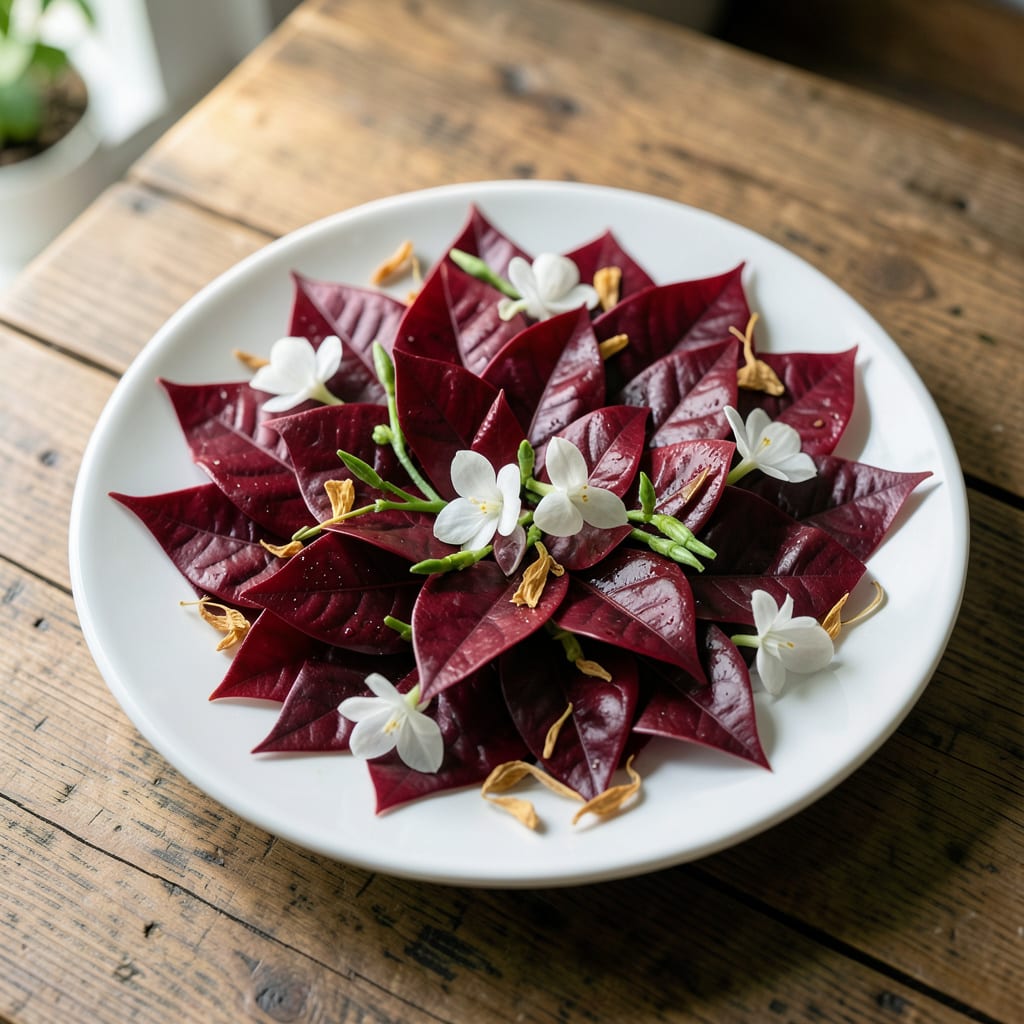
Red leaves on star jasmine always signal a problem. I’ve seen this happen when soil pH climbs too high, locking out iron even when it’s present.
This isn’t just about looks—left unchecked, the plant weakens. The leaves turn yellow between the veins first, then red as the deficiency worsens. A simple soil test reveals if pH or iron is the culprit.
Fixing it means adjusting pH with sulfur or adding chelated iron. Within 2-3 weeks, new growth should return to that deep green you expect from healthy jasmine.
Prevention is easier than cure. Regular soil checks and balanced fertilization keep this issue from returning next season.
Star jasmine leaves turning red often signal underlying stress or deficiency. Here are the most common causes, explained with actionable insights:
When soil pH is too high (above 7.0), iron becomes insoluble, limiting uptake. Iron is essential for chlorophyll production, and without it, leaves turn yellow with red or purple veins. Test soil pH—ideal range is 6.0–6.5 for star jasmine. Acidify soil with sulfur or iron chelates for quick correction.
Soggy roots suffocate, reducing nutrient absorption (including iron and magnesium). Reddish leaves may appear alongside wilting. Check drainage: if water pools after 5 minutes, amend soil with perlite or sand. Water only when the top 1–2 inches of soil are dry.
Intense sunlight or sudden temperature swings can trigger anthocyanin production (a red pigment) as a protective response. New growth is most vulnerable. Shield plants with 30% shade cloth during heatwaves or acclimate gradually to outdoor conditions.
Excess phosphorus (common in heavy fertilizers) can block iron uptake, mimicking deficiency. Reddish-purple hues often appear on older leaves first. Switch to a balanced, low-phosphorus fertilizer (e.g., 10-5-10) and flush soil with water to leach excess salts.
If your star jasmine is sporting red leaves, don’t panic—there are clear fixes for the most common causes. Below are targeted solutions to restore your plant’s lush green foliage, along with prevention tips to keep problems at bay.
Red leaves often signal an iron deficiency, especially in alkaline soil. Apply chelated iron (follow package instructions) or a foliar spray for quick absorption. For a long-term fix, amend the soil with sulfur or peat moss to lower pH and improve iron availability. Prevention tip: Test soil pH annually—star jasmine thrives in slightly acidic to neutral soil (6.0–7.0).
Both overwatering and underwatering can stress the plant, leading to discoloration. Check soil moisture 2 inches deep—it should feel slightly damp, not soggy or bone-dry. Adjust your watering schedule based on weather and soil drainage. Prevention tip: Use mulch to retain moisture and prevent extreme fluctuations.
Too much direct sunlight or cold drafts can cause leaf reddening. Move potted plants to bright, indirect light and shield them from harsh afternoon sun. If outdoors, ensure they’re in a sheltered spot during temperature swings. Prevention tip: Acclimate plants gradually to new light conditions to avoid shock.
Inspect leaves for spider mites, aphids, or fungal spots. Treat infestations with neem oil or insecticidal soap, and remove heavily damaged foliage. Improve airflow around the plant to deter fungi. Prevention tip: Regularly wipe leaves with a damp cloth to keep pests and dust at bay.
Pro tip 💡: After treating, monitor new growth—healthy green leaves are a sign your star jasmine is bouncing back!
With proper treatment, new growth should return to green in 2-3 weeks. Existing red leaves won’t recover, but fresh ones will show improvement. Monitor soil pH and nutrient levels during this period.
Yes! Excess phosphorus blocks iron uptake, leading to red or purple hues. Switch to a balanced, low-phosphorus fertilizer and flush the soil to remove excess salts.
If they’re severely damaged, prune them to direct energy to healthy growth. Otherwise, leave them—they may still photosynthesize. Always use clean, sharp shears to avoid further stress.
Not always. Some varieties naturally develop reddish tones in cooler weather. But sudden reddening, especially with yellowing, signals stress. Compare new growth to older leaves for clues.
