
Beautiful Plants For Your Interior
Beautiful Plants For Your Interior
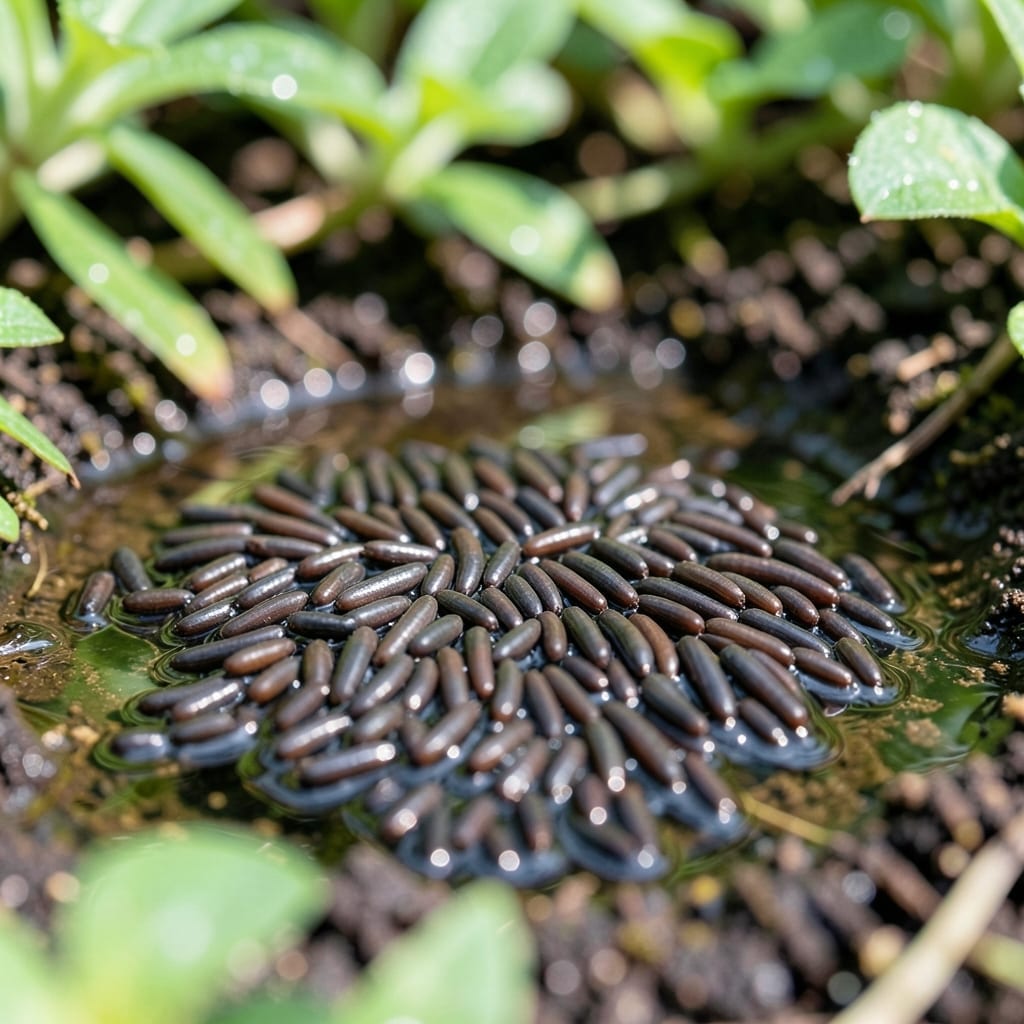
Nothing ruins a garden faster than a mosquito problem. I learned this the hard way after finding my rain barrels teeming with larvae one summer morning.
Stagnant water is the culprit, and it’s shockingly easy to overlook. Bird baths, clogged gutters, even saucers under potted plants can become breeding grounds in 48 hours.
You’ll spot the eggs as tiny black specks floating on the surface, often in clusters that look like pepper flakes. The good news? Prevention is simpler than you think.
Empty standing water weekly, add motion to water features, and you’ll break the cycle before it starts. Your garden—and your sanity—will thank you.
Stagnant water is a prime breeding ground for mosquitoes, and understanding why they lay eggs in these conditions can help you prevent infestations. Here’s a breakdown of the key reasons:
Mosquitoes seek still, undisturbed water because it provides a safe, stable environment for their eggs and larvae. Unlike flowing water, stagnant water lacks currents that could wash away or damage delicate eggs. Species like Aedes and Culex thrive in these conditions, as the lack of movement also reduces predation risks from fish or other aquatic life.
Stagnant water often retains heat better than moving water, creating a warm, humid microclimate that accelerates egg hatching. Mosquitoes are cold-blooded and rely on external heat sources. Temperatures between 70–80°F (21–27°C) are optimal for most species to develop from egg to adult in as little as 7–10 days.
Decaying leaves, algae, and organic matter in stagnant water provide abundant food for mosquito larvae. These nutrients support rapid growth, ensuring larvae have the energy to mature into adults. Even small amounts of organic debris (like grass clippings or dirt) can turn a harmless puddle into a mosquito nursery.
Mosquitoes prefer laying eggs near human dwellings because they offer consistent water sources (e.g., clogged gutters, old tires, or plant saucers). Female mosquitoes can lay 100–300 eggs at a time, and stagnant water in residential areas ensures their offspring have immediate access to blood meals (humans or pets) once they mature.
Stagnant water is a breeding ground for mosquito eggs, but you can take simple, effective steps to eliminate the issue. Below are practical solutions mapped to common causes, along with prevention tips to keep your space mosquito-free.
Fix: Empty and scrub containers like buckets, flowerpot saucers, or pet water bowls at least once a week. Use a brush to remove any eggs clinging to the sides. For larger containers like rain barrels, cover them tightly with a lid or fine mesh to prevent mosquitoes from laying eggs.
Prevention tip: 💡 Store containers upside down when not in use to avoid water accumulation.
Fix: Clear debris from gutters, downspouts, and outdoor drains regularly to ensure water flows freely. Use a plumber’s snake or a high-pressure hose to flush out stubborn clogs. For persistent blockages, consider installing gutter guards to keep leaves and twigs out.
Prevention tip: ✨ Schedule seasonal gutter cleaning, especially before heavy rain periods.
Fix: For unused pools, drain them completely or cover them with a fitted tarp. For decorative ponds, introduce mosquito-eating fish like gambusia or use a water agitator to disrupt the surface, making it less attractive for egg-laying. Treat water with Bacillus thuringiensis israelensis (Bti), a natural larvicide safe for pets and plants.
Prevention tip: 🎯 Keep pool water chlorinated and circulate pond water with a small pump.
Fix: Fill tree holes with sand or seal them with silicone. For plants with large leaves (e.g., bromeliads), flush them with a hose weekly to remove trapped water. Trim overgrown foliage to improve airflow and reduce moisture buildup.
Prevention tip: 🌡️ Choose plants with fewer water-holding leaves if mosquitoes are a recurring problem.
By addressing these common causes and adopting preventive habits, you can significantly reduce mosquito breeding in stagnant water around your home.
Eggs typically hatch within 24-48 hours in warm conditions. In ideal temperatures of 70–80°F, larvae emerge rapidly and can develop into adults in as little as 7 days.
They appear as tiny black specks floating on the surface, often clustered together like ground pepper. A single female can lay up to 300 eggs at once, forming visible rafts.
A small amount of bleach can work, but it’s not ideal for gardens or pet areas. Instead, use Bti dunks or simply dump the water to break the cycle naturally.