
Beautiful Plants For Your Interior
Beautiful Plants For Your Interior
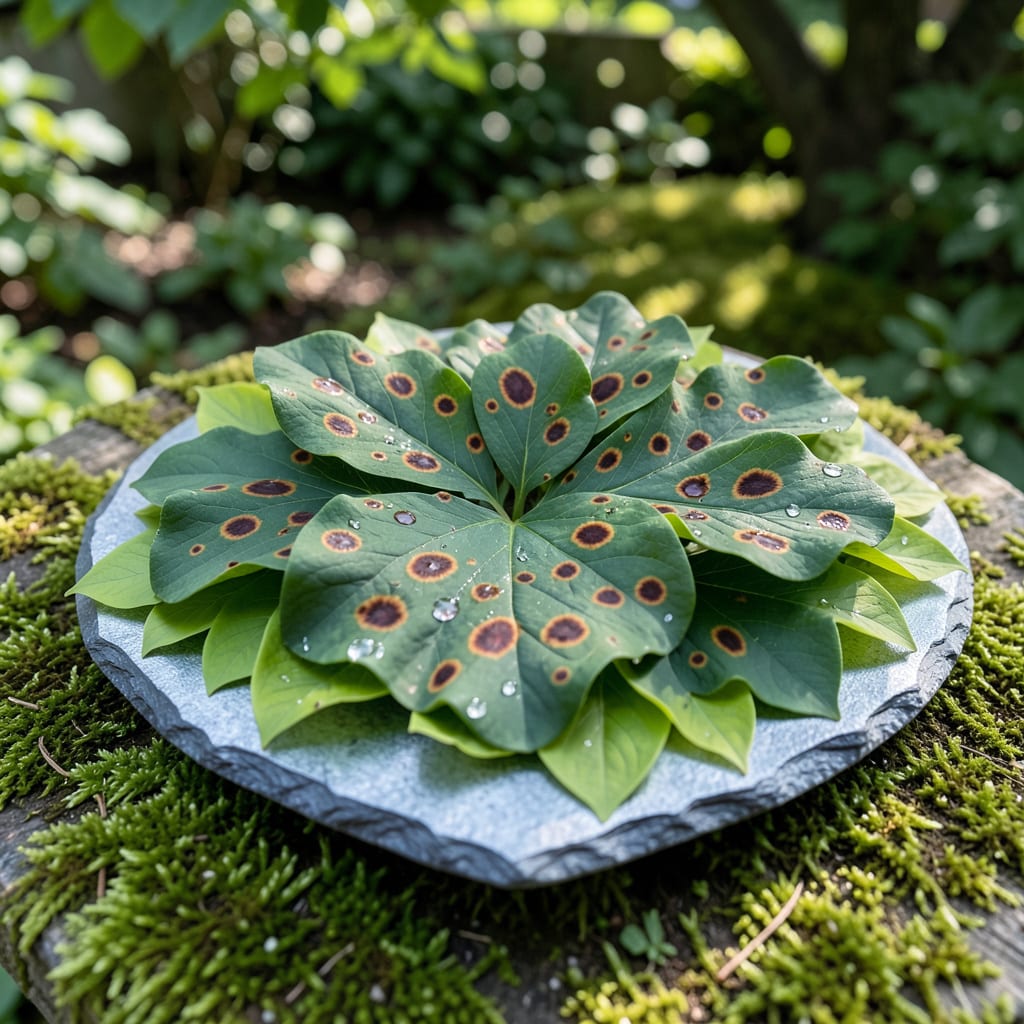
Those dark spots on your peony leaves aren’t just ugly—they’re a warning sign. I’ve lost entire bushes to fungal infections that started with just a few brown specks.
Most of the time, it’s peony leaf blotch or powdery mildew, both of which thrive in wet conditions. The good news? You can stop the spread with simple changes to watering and air circulation.
I saved my peonies last season by removing infected leaves immediately and applying a baking soda spray. New growth came in clean within 2 weeks.
Early action means your plants rebound faster and bloom stronger next year.
Understanding why spots appear on peony leaves starts with identifying the underlying triggers. Below are the most common causes, explained with actionable insights.
Fungal infections like Botrytis blight (caused by Botrytis paeoniae) or leaf blotch (from Cladosporium paeoniae) thrive in wet, humid conditions. These pathogens spread via spores, which germinate on leaf surfaces when moisture lingers for 6+ hours. Overhead watering and poor air circulation exacerbate the problem.
Prolonged leaf wetness—whether from rain, dew, or irrigation—creates a breeding ground for fungi. Peonies in densely planted beds or shaded areas with limited airflow are especially vulnerable. Even high humidity (above 85%) without direct water contact can trigger spore germination.
Improper care weakens peonies, making them susceptible to infections. Key culprits include:
Temperature fluctuations or extreme heat can stress peonies, reducing their natural defenses. Cool, wet springs (50–65°F) are ideal for fungal spores to activate, while sudden heatwaves may cause leaf scorch, which mimics spot symptoms.
Once you’ve identified the cause, these targeted solutions will help restore your peonies’ health. Act quickly to prevent the spots from spreading.
Start by pruning affected leaves and stems with clean, sharp shears (dip in rubbing alcohol between cuts to avoid spreading spores). Dispose of the debris in the trash—not compost. Apply a copper-based fungicide or neem oil to the plant and surrounding soil. Reapply every 7–10 days or after rain.
Prevention: Improve air circulation by spacing plants 3–4 feet apart. Water at the base in the morning to allow foliage to dry.
For aphids or mites, blast them off with a strong stream of water. Apply insecticidal soap or horticultural oil, covering both sides of leaves. Repeat every 5–7 days until pests are gone.
Prevention: Encourage beneficial insects like ladybugs by planting companion flowers (e.g., marigolds). Inspect leaves weekly for early signs of infestation.
Let the soil dry out slightly between waterings. If the area is waterlogged, amend the soil with compost or create raised beds. For potted peonies, ensure containers have drainage holes.
Prevention: Use a moisture meter to check soil before watering.
Apply a balanced, slow-release fertilizer (10-10-10) in early spring. For magnesium deficiency (yellowing between veins), use Epsom salt (1 tablespoon per gallon of water) as a foliar spray.
Prevention: Test soil every 2–3 years and amend as needed.
Not always. While fungi like leaf blotch are common, brown spots can also result from pest damage, overwatering, or nutrient deficiencies. Check for tiny insects or waterlogged soil first.
Clean up all plant debris in fall to remove hiding spores. Space plants 3-4 feet apart for airflow and water at the base in mornings. Apply copper fungicide preventatively in early spring.
Yes, but act fast. Prune all affected foliage and apply fungicide. If the crown is healthy, new growth should emerge clean within 2-3 weeks. Avoid composting infected material.
