
Beautiful Plants For Your Interior
Beautiful Plants For Your Interior
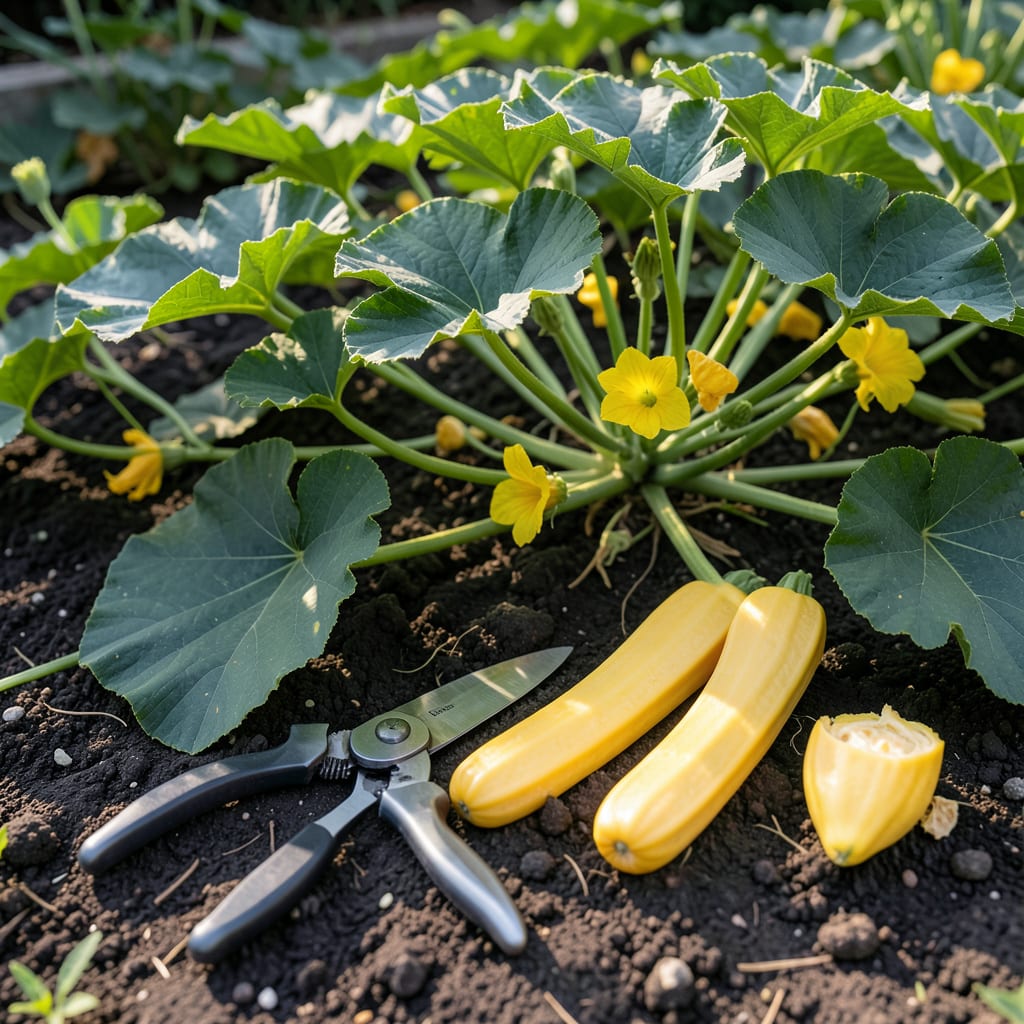
Knowing the perfect spaghetti squash harvest time can mean the difference between stringy, underripe 🎃 fruit and sweet, noodle-like perfection. Timing is everything with this versatile squash.
I’ll show you the exact visual cues and stem signals to watch for. With these tips, you’ll pick your Spaghetti Squash at peak ripeness every time.


Timing your spaghetti squash harvest perfectly ensures the best flavor and storage life. I look for visual cues like color changes and stem conditions to determine ripeness.
The rind color shifts from shiny to matte as it matures. A deep yellow or orange hue signals it’s nearly ready for picking.
| Sign | Description |
|---|---|
| Rind Hardness | Cannot be punctured by fingernail |
| Stem Condition | Dry and woody texture |
| Color Change | Deep yellow or orange rind |
| Vine Dieback | Vines start to wither |
The “nail test” is my go-to method. Press your fingernail into the rind—if it resists, it’s ready. This hardness test confirms the squash has developed its protective layer.
A dry stem is another key indicator. When the stem turns brown and woody, it shows the squash has stopped growing and is ready for harvesting.
I also watch for vine dieback. As the plant nears the end of its lifecycle, the vines begin to yellow and wither, which often coincides with peak ripeness.
Days to maturity vary by variety, but most spaghetti squash are ready in 80-100 days. Check your seed packet for the exact range for your specific type.
Harvesting at the right time ensures longer storage and better taste. Underripe squash won’t store well, while overripe ones may become stringy and lose their signature texture.
If you’re growing multiple plants, check each squash individually. Even on the same vine, ripening times can vary by a week or more, especially if planted in stages.
Once harvested, let the squash cure in a warm, dry place for about 10 days. This hardens the skin further and improves its keeping quality for winter storage.
With these ripeness signals in mind, you’ll confidently know when to pick your spaghetti squash for the best results 🌱
Proper harvesting technique prevents damage to both the squash and the plant. I always use clean pruners or a sharp knife to make a clean cut, which helps the plant recover faster.
Leave a 2-3 inch stem attached to the squash. This extra length protects the fruit from rot and extends its storage life significantly.
Never carry the squash by its stem, as this can cause it to break off. Instead, I cradle it in my hands to support its weight evenly.
After cutting, I inspect the squash for any soft spots or damage. Even minor bruises can lead to spoilage during storage, so I set aside any imperfect ones for immediate use.
The curing process is crucial for long-term storage. I place my harvested squash in a well-ventilated area with temperatures between 80-85°F for about a week to harden the skin.
Once cured, store your spaghetti squash in a cool, dry place. Properly harvested and cured squash can last 2-3 months or more, giving you fresh produce well into winter 🌱
Even experienced gardeners make harvesting mistakes that can ruin their spaghetti squash crop. I’ve learned the hard way that timing and technique are everything when it comes to picking.
The most common error is picking too early. If the rind is still soft or the stem is green, the squash won’t have developed its full flavor or storage potential.
⚠️ Warning: Avoid These Harvest Mistakes
Picking too early results in poor flavor and short storage life.
Cutting the stem too short invites rot and spoilage.
Storing in damp conditions leads to mold and decay.
Cutting the stem too short is another frequent mistake. A stem shorter than 2 inches leaves the squash vulnerable to bacteria and fungi, reducing its shelf life significantly.
Waiting too long to harvest can be just as problematic. Overripe squash may develop stringy flesh or split open, making them unsuitable for storage or consumption.
Improper storage conditions are a silent killer. I always ensure my squash is kept in a cool, dry place with good airflow to prevent moisture buildup.
By avoiding these common pitfalls, you’ll enjoy a bountiful harvest of perfectly ripe spaghetti squash every time 🌱
Check for a deep yellow or orange rind and a hard shell that resists fingernail pressure. The stem should also be dry and woody.
Early harvesting results in soft flesh, poor flavor, and short storage life. The squash won’t develop its signature noodle-like texture or sweetness.
Yes, overripe squash may split or develop stringy flesh. It’s best to harvest within the 80-100 day maturity window for optimal quality.
Cure in a warm, dry place for 10 days, then store in a cool, dry area. Properly cured squash can last 2-3 months.
