
Beautiful Plants For Your Interior
Beautiful Plants For Your Interior
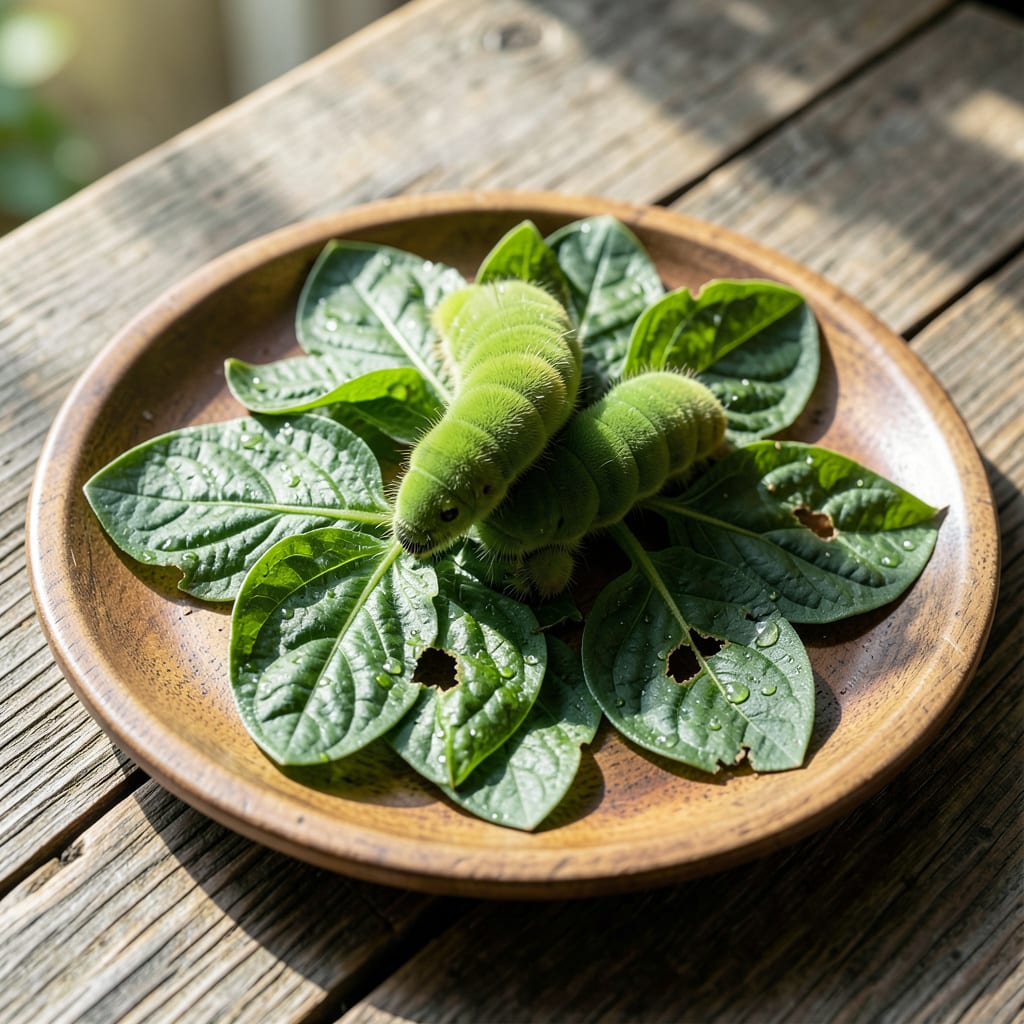
Waking up to ragged tomato leaves is every gardener’s nightmare. I’ve lost entire plants overnight to unseen pests, and the frustration is real. The culprits range from voracious hornworms to sneaky slugs, each leaving distinct damage patterns.
Here’s the thing—you can save your plants without harsh chemicals. A few organic solutions and preventive tweaks can turn the tide. I learned this the hard way after watching my first crop get decimated in 48 hours.
By identifying the pest and acting fast, you’ll stop the damage and even encourage new growth. Healthy plants bounce back surprisingly quickly when given the right support.
Works for container gardens, raised beds, or in-ground plants. Let’s protect those tomatoes.
Tomato leaves are a favorite snack for many garden pests and can also fall victim to environmental stressors. Understanding the root causes helps you target the problem effectively.
Several insects are notorious for munching on tomato foliage. Hornworms (large green caterpillars) can devour entire leaves overnight, while aphids and whiteflies suck sap, causing yellowing and curling. Beetles, like the Colorado potato beetle, chew irregular holes in leaves. These pests thrive in warm, humid conditions and often hide under leaves or in soil.
Pathogens like early blight (Alternaria solani) and late blight (Phytophthora infestans) create dark, concentric spots on leaves, often leading to defoliation. Bacterial leaf spot (Xanthomonas spp.) causes small, water-soaked lesions. These diseases spread via splashing water, contaminated tools, or infected seedlings, especially in wet, poorly ventilated environments.
Extreme heat, drought, or overwatering can weaken tomato plants, making leaves more susceptible to damage. Sun scald causes white or yellow patches on leaves exposed to intense sunlight, while nutrient deficiencies (e.g., nitrogen or magnesium) lead to discoloration and stunted growth. Poor soil health or improper pH levels (ideal: 6.0–6.8) can also stress plants, inviting pests and diseases.
Deer, rabbits, and even squirrels may nibble on tomato leaves, especially in rural or suburban gardens. These animals are drawn to tender new growth and can strip entire plants overnight. Look for jagged edges or larger bite marks to identify animal damage.
If you’ve spotted chewed, ragged, or skeletonized tomato leaves, act fast to protect your plants and future harvests. Below are targeted, organic solutions for the most common culprits—plus prevention tips to keep them from coming back.
Check leaves and stems daily, especially in the morning when hornworms are most active. These large, green caterpillars can strip a plant overnight. Remove them by hand and drop them into soapy water or relocate them far from your garden. For a natural boost, attract parasitic wasps by planting dill, cilantro, or yarrow nearby—they’ll lay eggs on the worms, killing them.
Prevention tip 💡: Rotate crops yearly and till soil in fall to disrupt overwintering pupae.
A strong blast of water from a hose can dislodge these tiny pests. For stubborn infestations, spray plants with insecticidal soap or neem oil (follow label instructions). Yellow sticky traps can also catch adult whiteflies.
Prevention tip ✨: Encourage ladybugs and lacewings—natural predators—by planting marigolds or alyssum around your tomatoes.
Create a physical barrier with copper tape around beds or use crushed eggshells or diatomaceous earth (reapply after rain). Set out beer traps (bury a shallow container filled with beer at soil level) to lure and drown them overnight.
Prevention tip 🎯: Water in the morning so soil is dry by evening—slugs prefer damp conditions.
Install a tall fence (8 ft for deer, 2 ft for rabbits) or use floating row covers to block access. For a quick fix, spray leaves with hot pepper or garlic solution (reapply after rain).
Prevention tip 🌡️: Plant less appealing species like onions or herbs around your tomatoes as a natural deterrent.
Look for clues in the damage pattern. Hornworms leave large, ragged holes, while aphids cause curling and yellowing. Slugs create uneven, jagged bites often with slime trails.
Neem oil is effective against soft-bodied pests like aphids and whiteflies, but not for larger pests like hornworms or slugs. Always apply in the evening to avoid harming beneficial insects.
Handpick visible pests immediately, then apply a barrier like copper tape for slugs or row covers for flying insects. Act at the first sign of damage for best results.
