
Beautiful Plants For Your Interior
Beautiful Plants For Your Interior
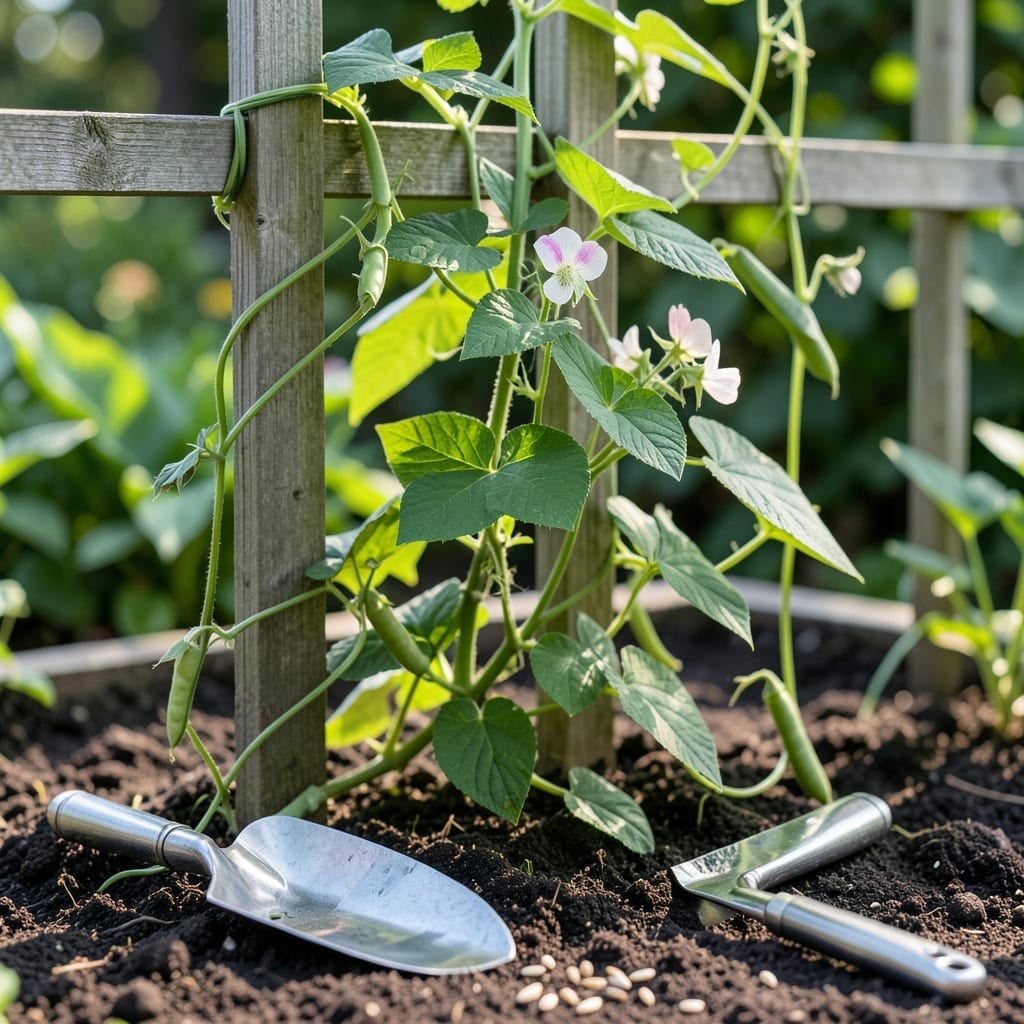
I still remember my first attempt at growing Snap Pea 🌱 – a tangled mess of vines competing for space. That’s when I learned proper spacing isn’t just helpful, it’s essential for healthy plants and a great harvest.
Getting the distance right between your Snap Pea plants means better airflow, fewer diseases, and pods that grow plump and sweet. It’s the difference between a struggling garden and one that thrives.
Whether you’re planting in rows or using a trellis system, the right spacing gives each plant room to reach its full potential. And trust me, your future self will thank you when harvest time rolls around.
Let me walk you through the most effective spacing strategies I’ve discovered through years of trial and error. You’ll be amazed at how this one factor can transform your garden.
Getting snap pea plant spacing right is key for healthy growth and a high-yield harvest. Proper spacing prevents overcrowding, reduces disease risk, and ensures each plant gets enough sunlight and airflow. I’ve seen gardens suffer when plants are too close together.
For bush snap peas, I recommend 2-3 inches between plants in rows 18-24 inches apart. This gives roots room to spread while allowing easy access for harvesting and maintenance.
| Variety | In-Row Spacing | Row Spacing |
|---|---|---|
| Bush Snap Peas | 2-3 inches | 18-24 inches |
| Climbing Snap Peas | 4-6 inches | 24-36 inches |
| Dwarf Varieties | 2 inches | 12-18 inches |
For climbing snap peas, which can reach 5-6 feet tall, I suggest 4-6 inches between plants and 24-36 inches between rows. These vines need extra space for trellises or supports to grow upward effectively.
Vertical gardening with snap peas saves space and improves airflow. I’ve used bamboo stakes or wire mesh for support, ensuring vines have room to climb without tangling. This method also makes pest control easier.
If you’re working with raised beds, you can tighten spacing slightly. I’ve found 2 inches between plants works well in beds 12 inches deep, as the loose soil promotes better root development.
Remember, overcrowding leads to competition for nutrients and water, stunting growth. I always thin seedlings early if they’re too close, leaving the strongest plants to thrive.
Airflow is critical for preventing fungal diseases like powdery mildew. Proper spacing allows breezes to circulate, keeping foliage dry and healthy. I’ve lost crops before by ignoring this simple rule.
For succession planting, space new rows 3 feet apart from earlier plantings. This ensures each group gets full sun and reduces the risk of disease spread between older and younger plants.
Finally, mark your rows with stakes or strings to maintain straight lines and consistent spacing. I use a measuring tape for accuracy, especially in larger gardens. This small effort pays off in uniform growth and easier care.
With these spacing tips, your snap peas will have room to flourish, producing abundant, crisp pods all season long. 🌱
Even experienced gardeners make spacing errors with snap peas. I’ve learned that crowding plants leads to weak stems and smaller harvests. Each plant needs room for roots and vines to develop properly.
One common mistake is planting seeds too close together. This creates a dense thicket where air can’t circulate, inviting fungal diseases like powdery mildew. I’ve lost entire rows to this issue before adjusting my approach.
Planting snap peas too close causes stunted growth and disease spread. Always follow recommended distances for your variety.
Another error is ignoring row spacing. Narrow rows may seem space-efficient, but they limit access for harvesting and maintenance. I now keep rows at least 18 inches apart for bush types and wider for climbing varieties.
Overlooking trellis space is a big mistake with climbing peas. I’ve seen vines become a tangled mess when supports were too close together. Each climbing plant needs its own 4-6 inches of trellis space to grow upward freely.
Many gardeners also forget to thin seedlings. When multiple seeds sprout in one spot, competition begins immediately. I thin to the strongest plant once seedlings are 2-3 inches tall, giving survivors the best chance to thrive.
Finally, inconsistent spacing creates uneven growth. Some plants get too much room while others are crowded. I use a measured string line to keep my rows straight and spacing uniform. This simple tool has saved me countless headaches.
By avoiding these common mistakes, your snap peas will grow stronger, healthier, and more productive. 🌿