
Beautiful Plants For Your Interior
Beautiful Plants For Your Interior
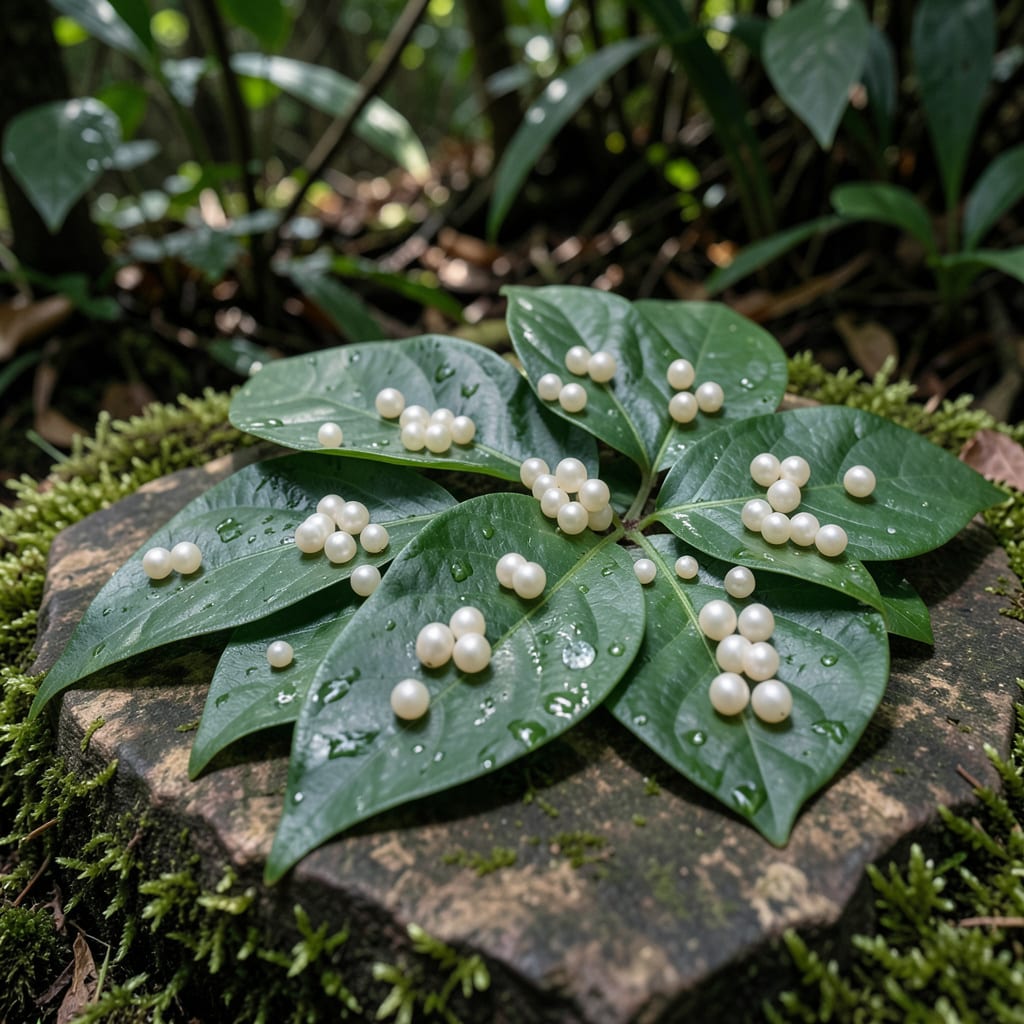
Spotted tiny white dots on your plant leaves? I found my first cluster last summer hiding under my kale—30 eggs in a single afternoon. They’re easy to miss until the damage starts.
These are usually aphid or whitefly eggs, and they’ll hatch in 3-7 days if left alone. The key is catching them early, before they multiply into a full-blown infestation that stunts growth and spreads disease.
I’ve tested every method: blasting them off with water, wiping leaves with soapy rags, and introducing ladybugs. The simplest fixes often work best, saving your plants without harsh chemicals.
Works for vegetables, ornamentals, and houseplants. Here’s how to stop them in their tracks.
Small white insect eggs on leaves often signal the start of an infestation. Understanding why they appear helps you prevent future outbreaks. Here are the most common causes:
Many insects, like aphids, whiteflies, and mealybugs, lay eggs on leaves as part of their life cycle. These pests choose leaves because they provide food (sap) and shelter for their offspring. Warm, humid conditions speed up reproduction, leading to rapid egg-laying.
Plants under stress—from overwatering, drought, or nutrient deficiencies—release chemicals that attract egg-laying insects. Overcrowded plants also create shady, moist microclimates ideal for pests like spider mites and scale insects to thrive.
Temperature and humidity play a huge role. In spring and early summer, rising warmth triggers insect mating seasons. High humidity (especially in greenhouses) accelerates egg development. Conversely, dry, dusty conditions can weaken plants, making them more vulnerable to infestations.
Sometimes, we accidentally introduce pests. Buying infected plants, using contaminated soil, or even carrying pests indoors on clothing can spread eggs. Always inspect new plants and quarantine them for a week to prevent cross-contamination.
Dealing with small white insect eggs on leaves requires quick and targeted action. Below are practical solutions tailored to common causes, along with prevention tips to keep your plants healthy.
Cause: Small infestations of whitefly, aphid, or scale eggs.
Fix: Use a soft cloth or cotton swab dipped in soapy water to gently wipe the eggs off the leaves. For larger plants, a strong spray of water can dislodge them. Repeat every few days to break the breeding cycle.
Cause: Persistent pests like mealybugs or spider mites.
Fix: Apply neem oil or insecticidal soap to affected areas. Mix 1 tablespoon of neem oil with 1 quart of water and spray evenly on both sides of the leaves. Reapply weekly until the eggs disappear.
💡 Pro Tip: Test sprays on a small section of the plant first to avoid damage.
Cause: Severe infestations that resist natural methods.
Fix: Use a targeted pesticide labeled for the specific pest. Follow the instructions carefully, and avoid overuse to protect beneficial insects like pollinators.
Insect eggs are typically round or oval and appear in clusters. Residue is usually irregular and wipes off easily. Gently touch the spot—eggs feel slightly raised, while residue is flat.
Yes, most hatch in 3-7 days depending on temperature. Warmer weather speeds up the process. Act fast to prevent larvae from damaging your plants.
Only if heavily infested. For light cases, wiping eggs off preserves the leaf. Severe infestations may require pruning to protect the rest of the plant.
Introduce ladybugs or use neem oil weekly. Companion planting with marigolds also deters egg-laying pests naturally.
