
Beautiful Plants For Your Interior
Beautiful Plants For Your Interior
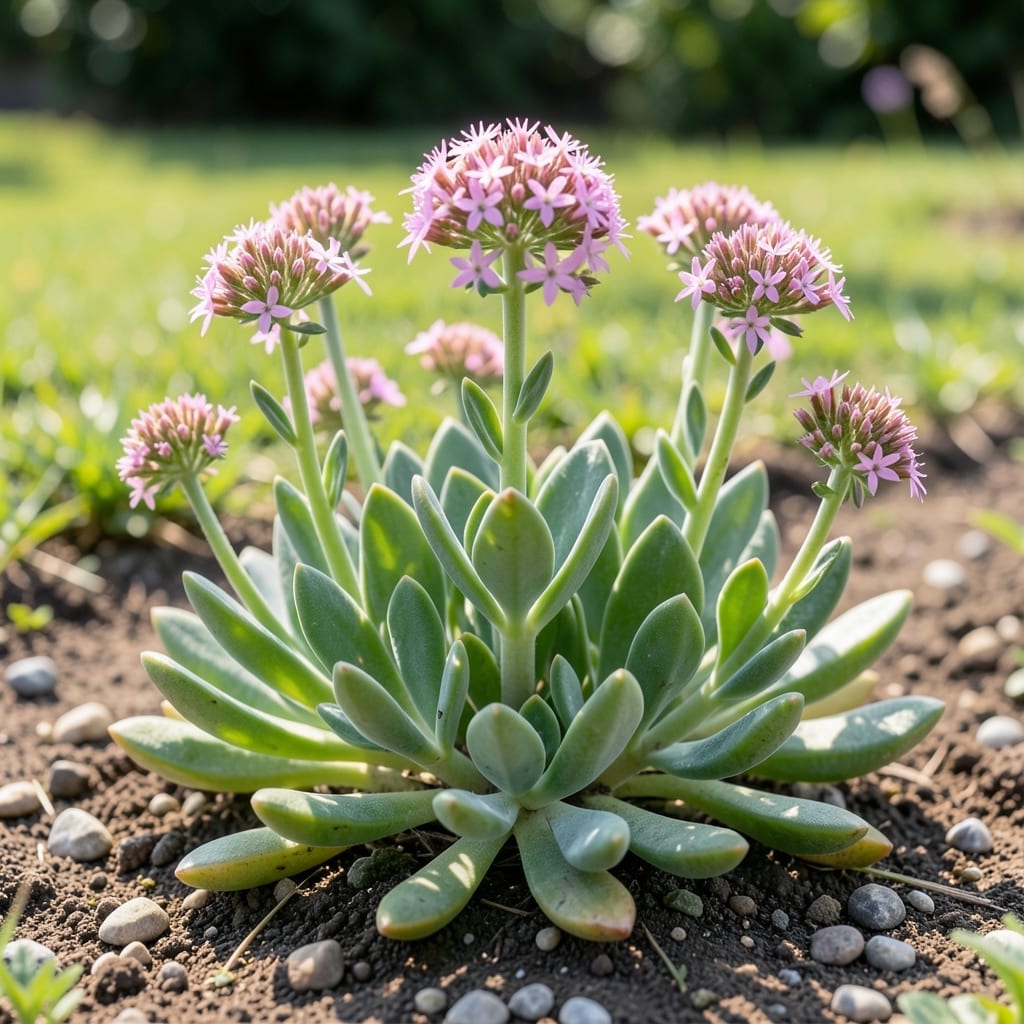
Sedum plants are the ultimate low-maintenance superstars of the garden, but their light requirements often spark confusion. Whether you have a sun-drenched patio or a shady corner, understanding how these resilient 🌿 succulents adapt can make or break their success.
I’ve seen Sedum thrive in full sun and still hold its own in partial shade, but there’s a science to optimizing its growth. The key lies in matching the variety to your garden’s conditions.
In this guide, I’ll break down exactly how much light your Sedum needs to flourish. You’ll discover which types love the sun and which tolerate shade without sacrificing blooms.
By the end, you’ll know how to create the perfect environment for vibrant, healthy Sedum—no matter your garden’s layout.
 Best Window Placement
I’ve found that most sedum plants absolutely thrive in full sun, soaking up 6+ hours of direct light daily. This is where they show off their best vibrant foliage and abundant blooms. The more sunlight they get, the more compact and colorful they become. ☀️
However, some varieties like Sedum ‘Dragon’s Blood’ can tolerate partial shade, though they may stretch toward the light. True full shade is rare for sedum success, but a few types manage with dappled light if the soil stays dry. 🌿
In my experience, full sun sedums like Autumn Joy and Angelina produce the most stunning displays. Their flower clusters are larger and their foliage colors more intense. These varieties can handle hot afternoon sun without wilting. ☀️
For partial shade, Sedum ‘Acre’ or Dragon’s Blood are your best bets. They’ll still bloom, though perhaps less profusely. I notice they grow taller and leggier in shade, reaching for light. This can make them look less compact than their sun-loving cousins. 🌿
If you’re stuck with deep shade, sedum isn’t your best choice. Most varieties will struggle to thrive without enough light. However, in bright, indirect light, some may survive, especially with well-draining soil and minimal watering. ✂️
I always recommend observing your garden’s light before planting. Track how many hours of direct sunlight each spot gets. Remember, morning sun is gentler than afternoon sun, which can be intense for some sedums. 🌡️
For optimal growth, pair your sedum’s light needs with the right soil conditions. Even shade-tolerant types need excellent drainage to prevent root rot. I’ve seen many gardeners lose sedums to overwatering in shady spots. 💧
Finally, don’t forget that light conditions change with the seasons. A spot that’s full sun in summer might be partial shade in spring or fall. This is why I suggest monitoring your garden throughout the year. 🌳
I’ve found that sedum plants can thrive in partial shade with a few tweaks. While they prefer full sun, some varieties adapt well to 4-6 hours of light, especially in hot climates.
To keep them blooming, I focus on well-draining soil and avoid overwatering. Leggy growth or sparse flowers often signal they need more light or better care.
I’ve had success with Sedum ‘Angelina’ in partial shade, but its golden foliage stays brighter with morning sun. Without enough light, the color can fade to pale green.
If your sedum isn’t flowering, try trimming back nearby plants to let in more light. Even an extra hour of sun can make a big difference in bloom production.
For container-grown sedum, I move pots to follow the sun. This ensures they get consistent light even in shadier spots. Rotate them weekly for even growth.
Finally, pair sedum with drought-tolerant companions like lavender or ornamental grasses. This creates a low-maintenance garden that thrives in sun or shade. ☀️