
Beautiful Plants For Your Interior
Beautiful Plants For Your Interior
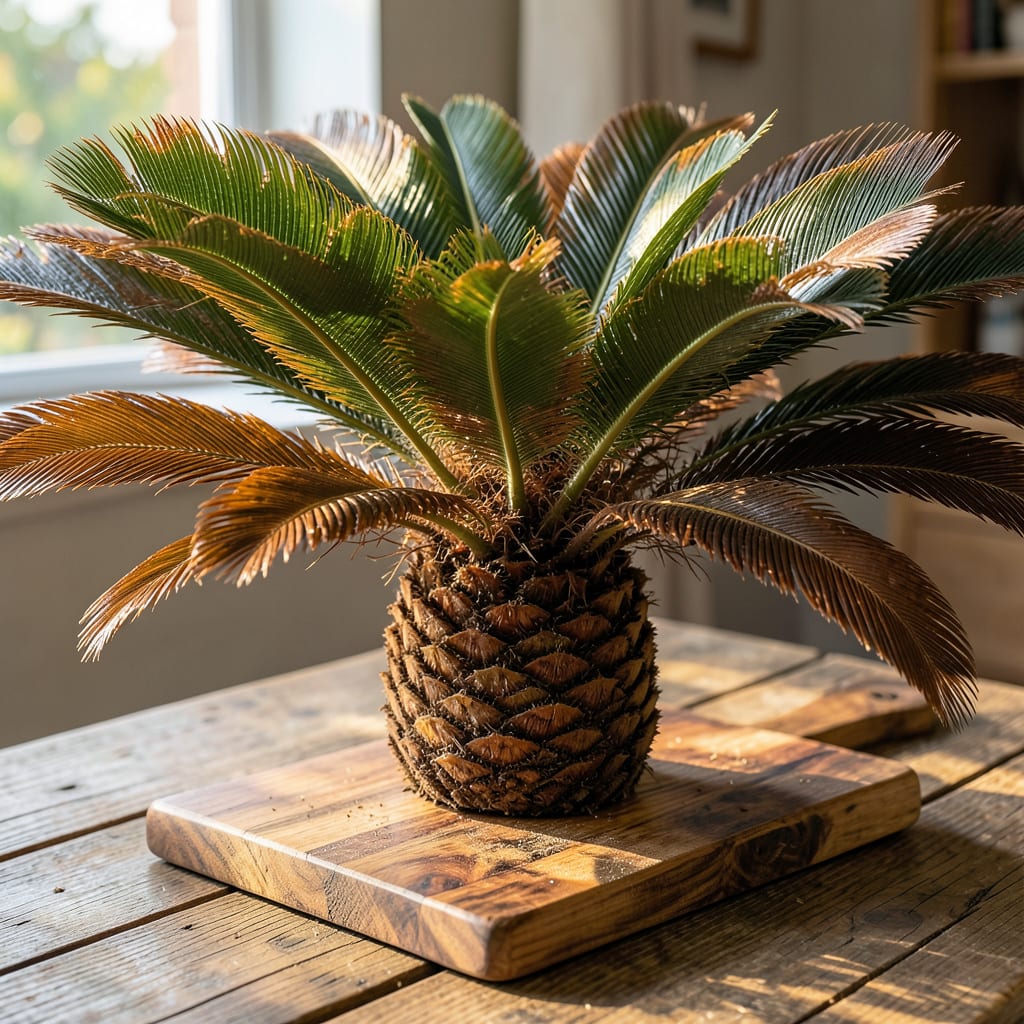
Your sago palm’s brown fronds aren’t just unsightly—they’re a cry for help. I’ve saved more than a few from the brink by catching the early signs fast.
Usually, it’s one of four culprits: too much water, not enough light, nutrient hunger, or sneaky pests. The good news? Each has a foolproof fix once you know what you’re dealing with.
With the right steps, those brown tips can turn the corner in 2-3 weeks. You’ll see fresh green growth pushing through where it looked hopeless before.
Works for potted plants on patios or landscape specimens in the ground. Here’s how to diagnose and revive yours.
Several factors can lead to your sago palm’s (Cycas revoluta) foliage turning brown. Identifying the root cause is key to reviving your plant. Below are the most common culprits, explained scientifically and with actionable insights.
Sago palms are drought-tolerant and hate soggy roots. Overwatering or poorly draining soil leads to root rot, a fungal infection (often Phytophthora or Fusarium) that chokes oxygen supply to the roots. As roots die, the fronds lose their green pigment (chlorophyll), turning yellow then brown. Fix: Let the top 2-3 inches of soil dry out between waterings and ensure pots have drainage holes.
While sago palms love bright light, intense, direct sunlight (especially in hot climates) can scorch the fronds, causing brown, crispy tips or patches. This is due to photooxidative stress, where UV radiation damages the plant’s cellular structure. Fix: Provide partial shade during peak afternoon hours or use shade cloth.
Sago palms thrive in temperatures between 65–85°F (18–29°C). Frost or freezing temperatures rupture cell membranes, leading to browning and wilting. Conversely, heat stress above 100°F (38°C) can desiccate the fronds. Fix: Move potted sagos indoors during cold snaps and provide afternoon shade in extreme heat.
A lack of magnesium (Mg) or potassium (K) often manifests as brown frond tips or margins. Magnesium is central to chlorophyll production, while potassium regulates water movement. Fix: Use a palm-specific fertilizer (e.g., 8-2-12 NPK ratio) with micronutrients, applied every 2–3 months.
Scale insects and mealybugs sap nutrients from fronds, causing yellowing that progresses to brown. Their sticky honeydew also promotes sooty mold, which blocks sunlight. Fix: Wipe fronds with neem oil or insecticidal soap weekly until pests are gone.
If your sago palm is turning brown, don’t panic—there are practical fixes for the most common causes. Below are targeted solutions, plus prevention tips to keep your plant thriving long-term.
Fix: Check the soil moisture 2 inches deep. If bone-dry, water deeply until it drains from the bottom. If soggy, stop watering immediately and let the soil dry out. For severe overwatering, repot the plant in fresh, well-draining soil and trim any black, mushy roots.
Prevention: Water only when the top 2–3 inches of soil are dry. Use a pot with drainage holes and a fast-draining mix (e.g., 50% cactus soil + 50% perlite).
Fix: Move your sago palm to a spot with bright, indirect light. If leaves are scorched, trim the brown fronds to redirect energy to healthy growth. Gradually acclimate the plant to new light conditions over 1–2 weeks.
Prevention: Place it near an east- or west-facing window, or use a sheer curtain to filter harsh sunlight. Outdoors, provide afternoon shade in hot climates.
Fix: Apply a slow-release, palm-specific fertilizer (e.g., 12-4-12 with micronutrients) in spring and summer. Follow package instructions, but halve the dose for potted sagos. Yellowing fronds with green veins may indicate magnesium deficiency—sprinkle 1 tbsp of Epsom salt around the base and water in.
Prevention: Fertilize every 2–3 months during the growing season. Avoid over-fertilizing, which can burn roots and cause browning.
Fix: Wipe down leaves with a neem oil solution (1 tsp oil + 1 liter water + ½ tsp dish soap) to combat scale or mealybugs. For severe cases, use a systemic insecticide labeled for palms. Isolate the plant to prevent pests from spreading.
Prevention: Inspect new plants before bringing them home, and mist leaves occasionally to deter pests. Keep humidity around 40–50% to discourage spider mites.
Fix: Prune blackened or mushy fronds caused by frost. If the entire plant is damaged, check the caudex (thick stem base)—if it’s firm, the palm may regrow in spring. Move potted sagos indoors to a cool (50–60°F), bright spot.
Prevention: Protect outdoor sagos with frost cloth or mulch before cold snaps. Keep indoor plants away from drafty windows.
💡 Pro Tip: Always sterilize pruning tools with rubbing alcohol to avoid spreading disease!
Water when the top 2-3 inches of soil are dry. These plants prefer dry conditions, so overwatering is a common mistake. In hot weather, this might mean watering every 7-10 days.
Use a palm-specific fertilizer with an 8-2-12 or 12-4-12 NPK ratio. Apply every 2-3 months during growing season. Magnesium deficiency often shows as brown tips—try 1 tablespoon of Epsom salt.
Check the caudex (thick stem base). If it’s firm, the plant may regrow. Trim dead fronds and adjust care. Recovery takes 4-6 weeks if the root system is healthy.
This usually signals low humidity or underwatering. Increase humidity to 40-50% or mist leaves regularly. Also check for salt buildup from tap water—use filtered water if possible.
