
Beautiful Plants For Your Interior
Beautiful Plants For Your Interior
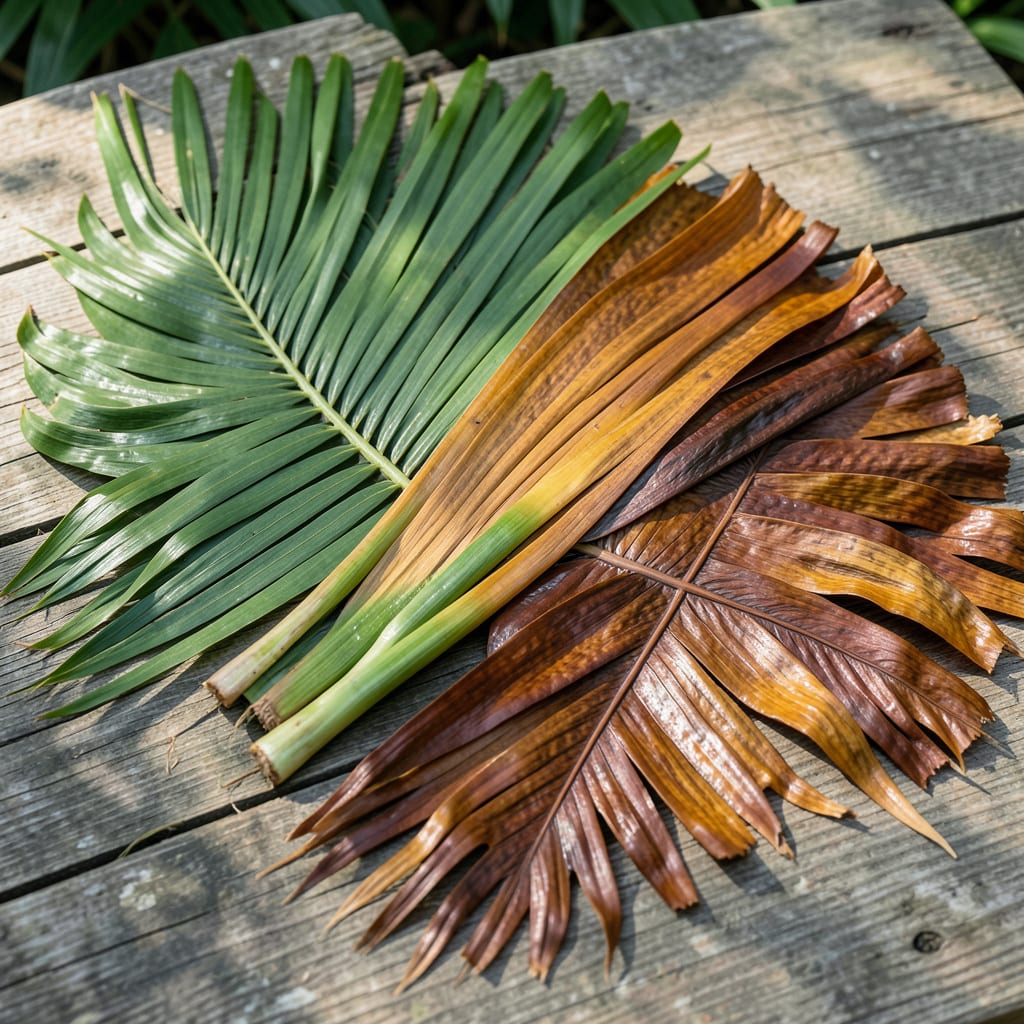
Brown fronds on your sago palm aren’t just ugly—they’re a distress signal. I’ve nursed plenty back from the brink, and the fix usually starts with checking two simple things: your watering routine and soil pH.
Too much water suffocates the roots, while the wrong pH locks out essential nutrients like manganese and iron. Most sago palms thrive in slightly acidic soil, around 6.0 to 6.5. Get this wrong, and even well-fed plants will brown.
You’ll see results fast once you adjust. Yellowing stops within 2 weeks, and new growth emerges deep green and healthy. The key is consistency—not just a one-time fix.
Works for potted or in-ground sagos. Here’s how to diagnose and correct it for good.
The discoloration of sago palm fronds is often a sign of underlying stress. Below are the most common scientific causes, each with actionable insights.
Sago palms require magnesium, manganese, or iron for healthy fronds. A deficiency in any of these can trigger browning, especially in older fronds first. Magnesium deficiency often appears as yellowing between veins, while manganese or iron shortages cause uniform browning. Test soil with a kit to confirm.
Excess moisture suffocates roots, leading to root rot and impaired nutrient uptake. Sago palms prefer well-draining soil—soggy conditions cause fronds to turn brown from the tips inward. Check soil moisture 2 inches deep; if it’s waterlogged, reduce irrigation and improve drainage.
Intense sunlight or sudden temperature spikes can scorch fronds, turning them crispy and brown. Sago palms thrive in partial shade. If exposed to full sun, acclimate them gradually or provide afternoon shade. Heat stress often affects the most exposed fronds first.
Sago palms need slightly acidic to neutral soil (pH 6.0–7.5). Highly alkaline soil (pH > 7.5) locks out essential nutrients like iron, even if they’re present. Use a pH test kit and amend with sulfur or peat moss if needed to lower pH.
Addressing brown fronds on your sago palm starts with identifying the root cause. Here’s how to tackle the most common issues and restore your plant’s health:
If yellowing or browning starts at the frond tips, your sago palm may lack magnesium, manganese, or iron. Apply a palm-specific fertilizer rich in these micronutrients. For quick relief, use a foliar spray with chelated iron. Prevention tip: 💡 Fertilize every 2-3 months during the growing season (spring to fall) with a slow-release formula.
Sago palms thrive in slightly acidic to neutral soil (pH 6.0–7.0). Test your soil with a kit—if it’s too alkaline (pH >7.5), amend it with sulfur or peat moss. For overly acidic soil (pH <5.5), add lime. Mix amendments into the top 6 inches of soil. Prevention tip: 🌡️ Retest soil pH annually, as it can shift over time.
Overwatering or drought can both trigger browning. Ensure the soil is moist but well-drained—sago palms hate soggy roots. Water deeply once a week, allowing the top 1-2 inches of soil to dry between waterings. Prevention tip: ✨ Use a moisture meter to avoid guessing. Mulch around the base to retain moisture without waterlogging.
Inspect fronds for scale insects or fungal spots. Treat pests with neem oil or insecticidal soap, and remove heavily infested fronds. For fungal issues, apply a copper-based fungicide and improve airflow around the plant. Prevention tip: 🎯 Prune dead fronds regularly to reduce hiding spots for pests and diseases.
Water deeply once a week, letting the top 1-2 inches of soil dry out between waterings. Overwatering causes browning, so always check soil moisture first.
They thrive in slightly acidic to neutral soil, pH 6.0–7.0. Test your soil and amend with sulfur or lime if needed to maintain this range.
No, once fronds brown, they won’t recover. Remove them to improve appearance and redirect energy to healthy growth. Focus on correcting the underlying issue.
Use a palm-specific fertilizer rich in magnesium, manganese, and iron. Apply every 2-3 months during the growing season for best results.
