
Beautiful Plants For Your Interior
Beautiful Plants For Your Interior
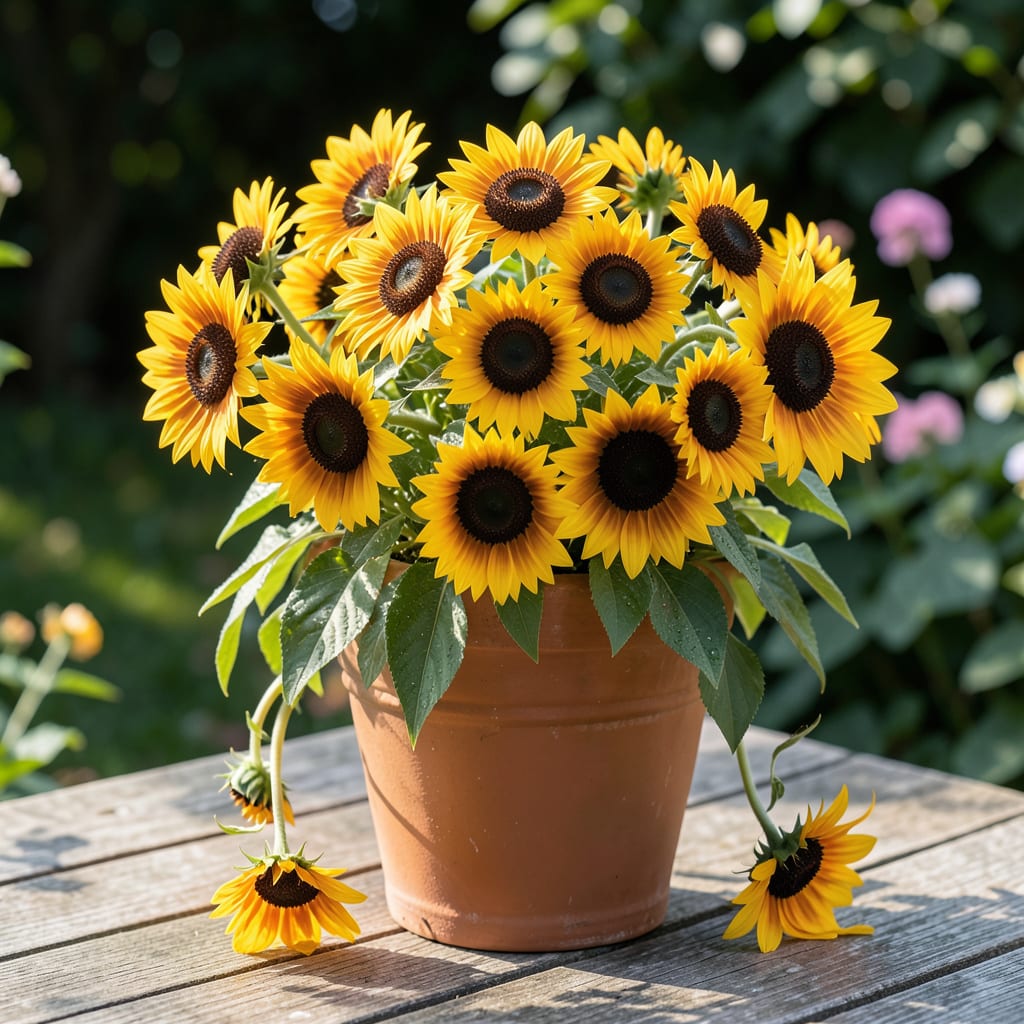
Golden blooms that light up the garden from midsummer to frost. I fell for black-eyed Susans after watching them attract bees and butterflies to my yard for months on end.
They thrive in full sun with minimal fuss—just well-draining soil and occasional water. Within weeks, you’ll have cheerful yellow petals with dark centers that keep coming back year after year.
📚 In This Guide
Here’s the method I rely on to get vibrant, long-lasting blooms from these sunny perennials.
Select a location with full sun to partial shade, though 6+ hours of direct sunlight yields the most abundant flowers. Rudbeckia thrives in well-draining soil but tolerates average conditions. I test drainage by digging a 12-inch-deep hole, filling it with water, and checking if it empties within 2-3 hours.
Amend heavy clay or sandy soil with 2-3 inches of compost worked into the top 6-8 inches. This improves fertility and structure without over-fertilizing, which can lead to leggy growth. Avoid overly rich soil—it produces more foliage than flowers.
Dig a hole twice as wide and just as deep as the root ball. For container-grown plants, loosen the roots gently if they’re pot-bound. Place the plant so the crown (where roots meet stems) sits ½ inch above soil level to prevent rot.
Space plants 18-24 inches apart for standard varieties like ‘Goldsturm.’ Dwarf types can be closer at 12-15 inches. Backfill with native soil, pressing lightly to eliminate air pockets. Water thoroughly to settle the soil, ensuring the root ball makes good contact with the ground.
Water deeply after planting, then maintain consistent moisture for the first 2-3 weeks while roots establish. After that, Rudbeckia is drought-tolerant but blooms best with 1 inch of water weekly. I check soil moisture by inserting my finger 1 inch deep—if it feels dry, it’s time to water.
Apply a 2-3 inch layer of mulch (shredded bark or straw) around plants, keeping it 2 inches away from stems to prevent disease. Mulch retains moisture, suppresses weeds, and keeps roots cool. Avoid thick mulch layers, which can smother the base and invite pests.
Remove spent flowers by cutting stems back to the next set of leaves or lateral bud. This encourages a second flush of blooms and prevents self-seeding, which can become aggressive. I use clean, sharp pruners to make a 45-degree angle cut just above a leaf node.
In early summer, pinch back tall varieties by one-third to promote bushier growth and more flowers. This also prevents flopping in heavy rain or wind. For overgrown clumps, divide every 3-4 years in early spring or fall to maintain vigor and prevent center dieback.
Small details make the difference between lackluster and spectacular blooms.
Site Selection: While Rudbeckia tolerates partial shade, the 6+ hours of direct sunlight mentioned in Step 1 is non-negotiable for maximum flower production. I’ve found east-facing spots with morning sun often outperform west-facing ones that get intense afternoon heat without relief.
Drainage Test: The 2-3 hours drainage check in Step 1 is your best insurance against root rot. If water hasn’t drained after 3 hours, consider raised beds or amending with more compost. Confession: I skipped this step once and lost three plants to soggy soil within a month.
Planting Depth: That ½ inch above soil level placement in Step 2 isn’t just suggestion—it’s critical. Planting too deep invites crown rot, while too shallow exposes roots. I use the handle of my trowel as a measuring guide for consistency.
Pruning Technique: The 45-degree angle cut in Step 4 prevents water from pooling on the stem, which can lead to disease. Always cut just above a leaf node to encourage new growth. Dull pruners crush stems—keep them sharp for clean cuts that heal quickly.
Water newly planted Rudbeckia deeply once a week. Once established, they’re drought-tolerant and thrive with watering every 1-2 weeks, depending on rainfall. Avoid soggy soil to prevent root rot.
Plant in early spring or fall for the best results. This gives roots time to establish before summer heat or winter cold. They’ll bloom the following summer if planted in fall.
Yes! Try Echinacea (Coneflower) or Gaillardia (Blanket Flower) for comparable vibrant, low-maintenance blooms that attract pollinators.
Lack of sunlight (they need 6+ hours daily) or over-fertilizing (they prefer lean soil) are common culprits. Prune spent blooms to encourage more flowers.
They’re generally pest-resistant but may attract aphids or Japanese beetles. Use neem oil or handpick pests early to keep plants healthy.
