
Beautiful Plants For Your Interior
Beautiful Plants For Your Interior
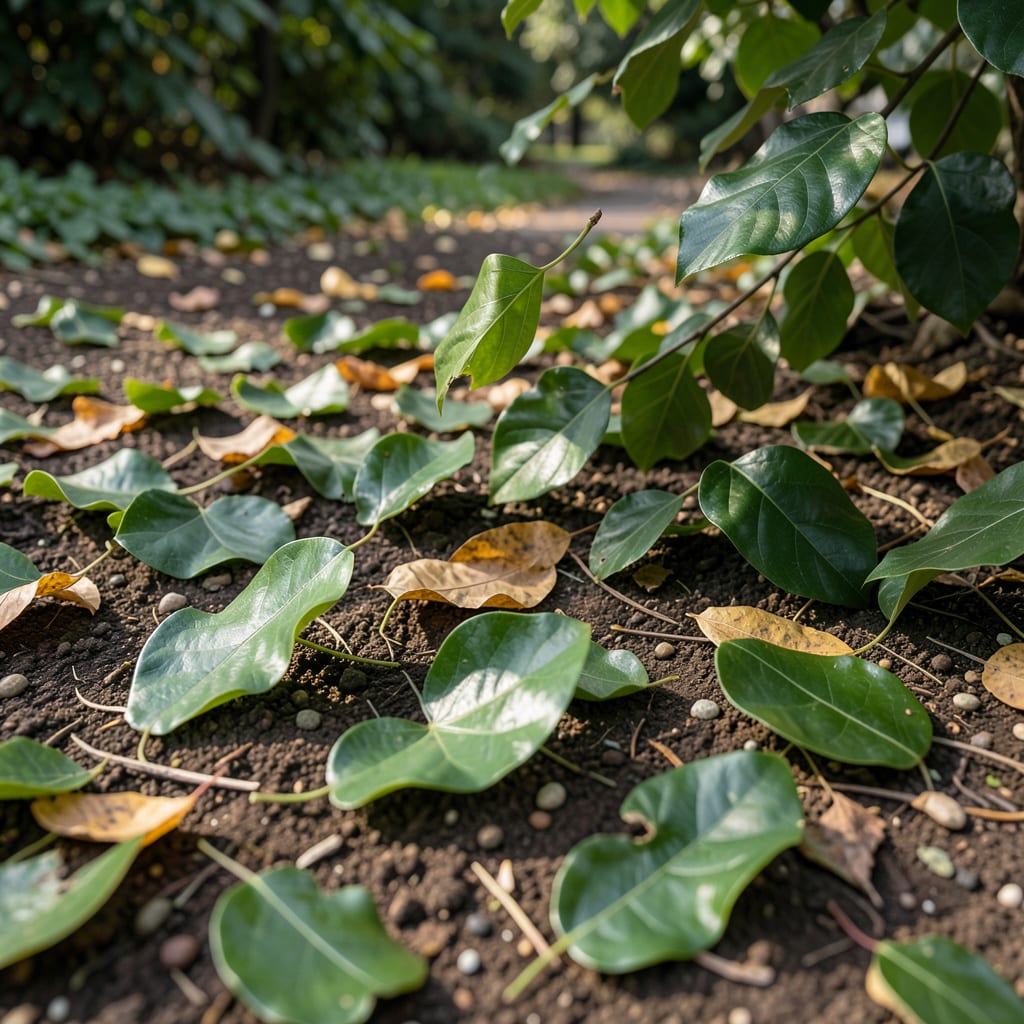
My rubber tree dropped five leaves overnight last winter. Turns out, it wasn’t dying—just protesting the dry air from my furnace and my overzealous watering habits.
Here’s the thing—these plants are drama queens. Too much water, not enough light, or even a drafty window can trigger a leaf drop. The good news? They’re tough and usually bounce back fast once you fix the issue.
You’ll spot the difference between normal aging and stress signals. Yellow leaves often mean overwatering, while crispy brown ones scream for more humidity. Simple adjustments usually do the trick.
Works for any rubber tree, whether it’s a tiny desk plant or a 6-foot floor specimen. Let’s get to the root of the problem.
Rubber tree leaves dropping can be alarming, but understanding the root causes helps you fix the issue fast. Here are the most common culprits behind Ficus elastica leaf loss:
Rubber trees thrive in stable environments (65–80°F). Sudden temperature drops, drafts from windows or AC, or heat sources (like radiators) can shock the plant, triggering leaf drop. Action: Keep your plant away from vents, drafts, or direct heat, and maintain consistent indoor temperatures.
Too much water suffocates roots, leading to root rot and yellowing leaves that fall off. Conversely, chronic dryness causes leaves to turn crispy and drop. Action: Water only when the top 1–2 inches of soil are dry. Ensure pots have drainage holes to prevent soggy roots.
Low light weakens the plant, causing lower leaves to yellow and drop. Conversely, harsh direct sunlight can scorch leaves, leading to brown, brittle foliage. Action: Place your rubber tree in bright, indirect light (east- or north-facing windows are ideal). Rotate the pot occasionally for even growth.
As tropical natives, rubber trees prefer humidity levels of 40–60%. Dry air (common in winter) can cause leaf edges to brown and fall. Action: Mist leaves regularly, use a pebble tray, or invest in a humidifier to maintain moisture.
Spider mites, mealybugs, or scale insects sap nutrients from leaves, weakening the plant. Infested leaves often yellow, curl, or drop prematurely. Action: Inspect leaves (especially undersides) weekly. Wipe them with neem oil or insecticidal soap at the first sign of pests.
Don’t panic—your rubber tree can bounce back! Here’s how to fix the most common issues causing leaf drop, with simple steps to revive your plant.
If the soil is bone-dry, give your rubber tree a deep watering until water drains from the bottom. Let the top 1-2 inches of soil dry out between waterings. Prevention tip: 💡 Stick your finger in the soil to check moisture—consistency is key!
Stop watering immediately and check the roots for rot (mushy, black roots = trouble). Trim any rotten roots, repot in fresh, well-draining soil, and use a pot with drainage holes. Prevention tip: 🌡️ Water only when the topsoil feels dry—less is often more.
Move your rubber tree to a spot with bright, indirect light (east or north-facing windows are ideal). Avoid harsh direct sun, which can scorch leaves. Prevention tip: ✨ Rotate the pot weekly for even growth.
Keep your plant away from AC vents, heaters, or drafty windows. Rubber trees thrive in 65–80°F (18–27°C) with moderate humidity. Prevention tip: 🎯 Mist leaves occasionally or use a humidity tray in dry climates.
Wipe leaves with a damp cloth to remove spider mites or mealybugs. For stubborn pests, use neem oil or insecticidal soap. Prevention tip: 🔥 Inspect new plants before bringing them home to avoid infestations.
With a little TLC, your rubber tree will be back to its lush, leafy self in no time!
Water when the top 1-2 inches of soil are dry, typically every 1-2 weeks. Always check soil moisture first—overwatering is a common mistake.
Yes! With proper care, new leaves will grow back in 4-6 weeks. Focus on stable conditions and consistent watering to help it rebound.
Place it in bright, indirect light, away from drafts or heat sources. East- or north-facing windows work best for steady growth.
Yellow leaves and soggy soil are red flags. Check for mushy roots and cut back on watering if you spot these signs.
