
Beautiful Plants For Your Interior
Beautiful Plants For Your Interior
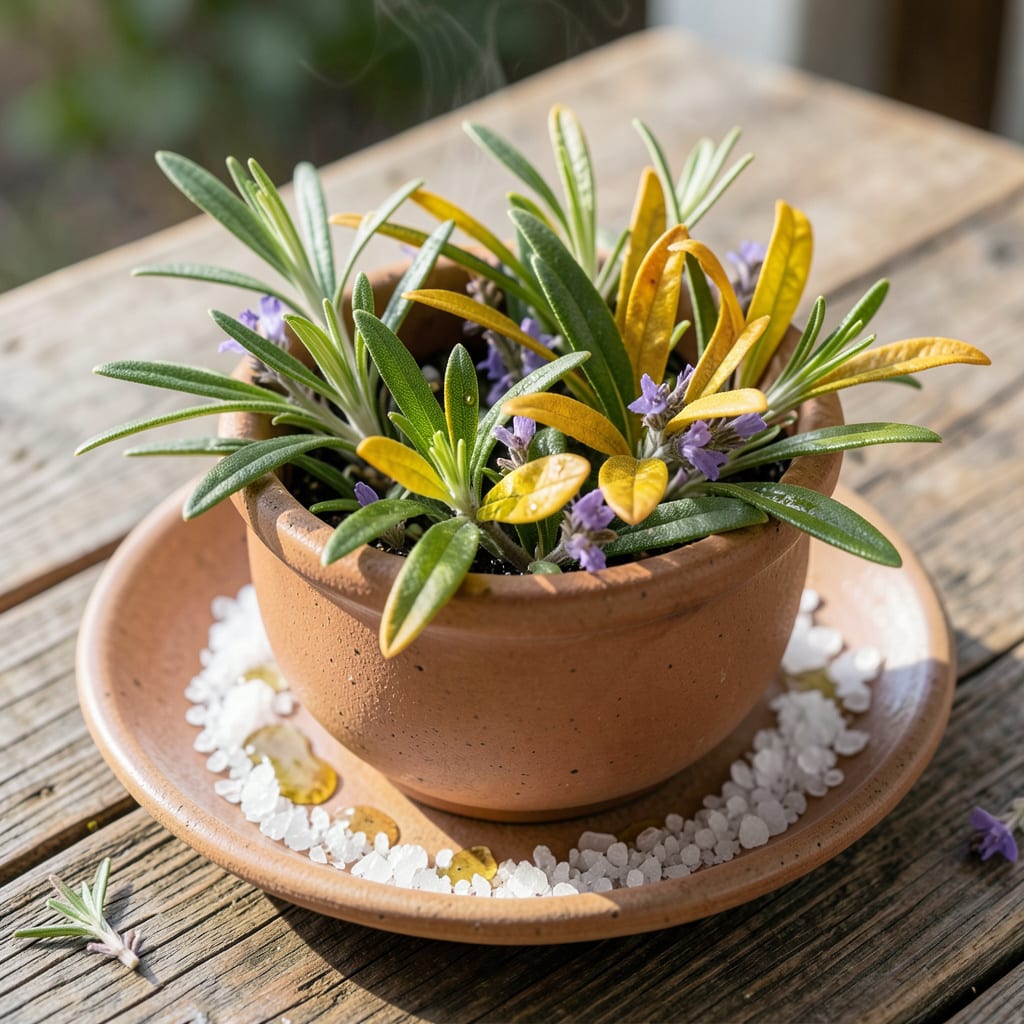
Yellow rosemary leaves always signal something’s off. I’ve saved countless plants by catching this early—usually it’s overwatering or poor drainage starving the roots of air.
Sometimes it’s nutrient issues or pests, but environmental stress tops the list. The fix often starts with checking soil moisture and sunlight exposure before digging deeper into deficiencies.
Your plant can bounce back with the right adjustments. I’ve watched wilted rosemary recover in 2-3 weeks once conditions improve, regaining that deep green, fragrant foliage.
Works for potted plants, garden beds, or windowsill herbs. Here’s how to diagnose and treat it properly.
When your rosemary’s vibrant green leaves start fading to yellow, it’s often a cry for help. Here’s what’s likely stressing your plant and why it happens:
Rosemary is a Mediterranean native that hates soggy roots. Overwatering or compacted soil suffocates the roots, blocking oxygen uptake. This triggers root rot (often caused by Phytophthora or Pythium fungi), which starves the plant of nutrients and water, leading to yellowing leaves—especially at the base. Action: Let the top 1-2 inches of soil dry out between waterings, and ensure pots have drainage holes.
Yellowing can signal a lack of key nutrients. Nitrogen deficiency causes uniform pale yellow leaves (starting with older growth), while iron or magnesium deficiency (common in alkaline soils) creates interveinal chlorosis—yellow leaves with green veins. Rosemary prefers slightly acidic to neutral soil (pH 6.0–7.0). Action: Test your soil and amend with compost or a balanced, slow-release fertilizer.
Rosemary thrives in full sun (6+ hours daily) and warm temps (70–85°F). Too little light weakens the plant, reducing chlorophyll production and causing yellowing. Conversely, cold drafts (below 30°F) or sudden temperature swings shock the plant, leading to discoloration. Action: Move potted rosemary to a sunnier spot or indoors near a south-facing window in winter.
Sap-sucking pests like spider mites or aphids drain the plant’s fluids, causing stunted growth and yellowed, speckled leaves. Check the undersides of leaves for webbing or tiny insects. Action: Blast pests off with water or treat with neem oil. Isolate heavily infested plants to prevent spread.
If your rosemary leaves are turning yellow, don’t panic—most causes are fixable with a few simple adjustments. Below are targeted solutions based on the most common triggers, paired with prevention tips to keep your plant thriving.
Fix it: Stop watering immediately and let the soil dry out completely. Check the roots for rot—trim any black, mushy roots with clean shears. Repot in fresh, well-draining soil (mix in sand or perlite) and ensure the pot has drainage holes. Water only when the top 1–2 inches of soil are dry.
Prevent it: Use a terracotta pot (it wicks away moisture) and always empty saucers after watering. 💡 Pro tip: Stick your finger in the soil—if it feels damp, wait!
Fix it: Move your rosemary to a sunny spot with at least 6–8 hours of direct sunlight daily. If indoors, place it near a south-facing window or supplement with a grow light (12–14 hours/day). Prune leggy growth to redirect energy to healthy leaves.
Prevent it: Rotate the pot weekly for even light exposure. Outdoors, avoid shady corners or overhangs.
Fix it: Rosemary hates cold drafts and extreme heat. If exposed to temps below 30°F (-1°C), move it indoors or cover it with frost cloth. For heat stress, provide afternoon shade and mist leaves lightly to cool them down.
Prevent it: Keep indoor plants away from AC vents or heaters. Aim for 40–70% humidity—use a pebble tray or humidifier if your air is dry.
Fix it: Yellowing often signals a lack of nitrogen (lower leaves) or iron (upper leaves). Feed with a balanced, water-soluble fertilizer (10-10-10) diluted to half strength, or use a chelated iron supplement for iron deficiency. Avoid over-fertilizing, which can burn roots.
Prevent it: Fertilize lightly every 4–6 weeks during growing season (spring to fall). Skip winter feeding when growth slows.
Fix it: Inspect leaves (especially undersides) for spider mites, aphids, or mealybugs. Blast pests off with water, then apply neem oil or insecticidal soap every 5–7 days until gone. For severe cases, prune heavily infested stems.
Prevent it: Isolate new plants for 2 weeks before introducing them to your rosemary. Wipe leaves occasionally with a damp cloth to deter pests.
Once leaves turn yellow, they won’t recover to green. Focus on fixing the underlying issue to prevent new leaves from yellowing. Healthy new growth will replace damaged foliage over time.
Water when the top 1-2 inches of soil are completely dry. In hot climates, this may be every 5-7 days, but in cooler weather, it could be 2-3 weeks. Always check soil moisture first.
Overwatering causes yellowing with soft, mushy stems. Underwatering leads to dry, crispy leaves. Check the soil: if it’s soggy, it’s overwatered; if bone-dry, it needs more.
Use well-draining soil with a pH of 6.0–7.0. Mix regular potting soil with 30% perlite or sand to improve drainage. Avoid heavy, clay-based soils that retain too much moisture.
