
Beautiful Plants For Your Interior
Beautiful Plants For Your Interior
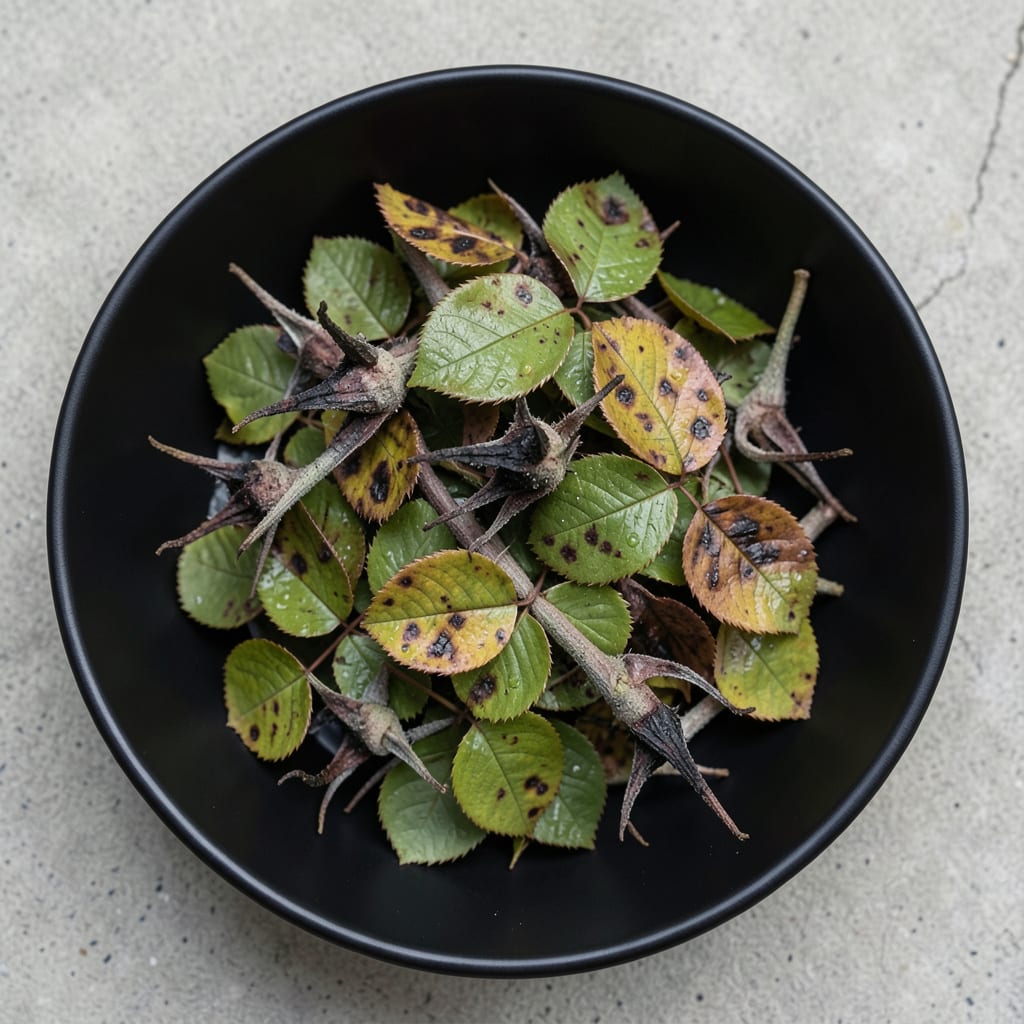
Spotted black thorns on your roses? That’s often the first sign of trouble. I’ve learned that early identification means the difference between saving a plant and losing it to spread.
These symptoms usually start small—a dark spot here, a canker there—but left unchecked, they’ll move to stems and leaves. The good news is most issues respond well to simple treatments once you know what you’re dealing with.
With the right photos for comparison, you’ll spot the difference between bacterial and fungal problems in seconds. No guesswork, just clear visuals matched to solutions.
Works for hybrid teas, climbers, and shrub roses alike. Here’s how to diagnose like a pro.
Rose thorn diseases don’t appear out of nowhere—they’re usually triggered by specific environmental, biological, or cultural factors. Understanding these causes helps you prevent issues before they escalate. Below are the primary culprits behind unsightly or harmful thorn conditions in roses.
Fungi like Botrytis cinerea (gray mold) and Diplocarpon rosae (black spot) thrive in wet, humid conditions. They can infect thorns, causing discoloration, lesions, or brittle growth. Overhead watering and poor air circulation exacerbate these infections. Action: Prune for airflow, water at the base, and apply fungicides preventatively.
Insects such as aphids, spider mites, and thrips weaken rose canes by feeding on sap, creating entry points for pathogens. Their activity can also lead to deformed or discolored thorns. Action: Use insecticidal soaps or neem oil, and inspect plants regularly for early signs of infestation.
Extreme temperatures, drought, or waterlogged soil stress roses, making thorns more susceptible to disease. Frost damage can cause thorns to turn black or split. Action: Mulch to regulate soil moisture, provide shade in extreme heat, and avoid overwatering.
Improper pruning with dull or unsterilized tools can introduce bacteria (e.g., Pseudomonas syringae) or fungi directly into the plant. Ragged cuts also slow healing, leaving thorns vulnerable. Action: Always sterilize tools with rubbing alcohol and prune at a 45-degree angle just above a leaf node.
A lack of essential nutrients like potassium or magnesium weakens a rose’s natural defenses, leading to stunted or diseased thorn growth. Yellowing thorns or unusual spotting may signal a deficiency. Action: Test soil and amend with balanced fertilizers or organic compost as needed.
Once you’ve identified rose thorn disease in your garden, quick and targeted action can save your plants. Below are practical solutions for common causes, along with prevention tips to keep your roses thriving.
Fungal issues like black spot or powdery mildew often spread through wet foliage. Prune infected canes immediately, cutting back to healthy tissue. Dispose of debris far from the garden to prevent reinfection. Apply a copper-based fungicide or neem oil spray every 7–10 days until symptoms subside. Prevention tip 💡: Water at the base of the plant (not overhead) and ensure good air circulation.
Pests like aphids or thrips weaken roses, making them vulnerable to disease. Spray with insecticidal soap or introduce beneficial insects like ladybugs. For severe infestations, use a horticultural oil. Prevention tip 🎯: Inspect leaves and stems weekly, and remove pests by hand when spotted early.
Dense growth traps moisture, fostering disease. Thin out crowded canes to improve airflow, and avoid planting roses too closely. Prevention tip ✨: Space plants at least 3–4 feet apart and prune regularly to maintain an open center.
Soggy soil invites root rot and fungal growth. Reduce watering frequency and ensure the soil drains well. Use a moisture meter to check soil conditions before watering. Prevention tip 🌡️: Water deeply but infrequently—early morning is ideal to allow foliage to dry quickly.
With consistent care and these targeted fixes, your roses can bounce back—and stay healthy for seasons to come.
Black spots often indicate fungal infections like black spot disease. These thrive in wet, humid conditions and spread through water splashing on leaves.
Ensure good airflow by pruning crowded canes and spacing plants 3-4 feet apart. Water at the base in the morning to keep foliage dry.
Yes, pests like aphids or thrips can cause deformed or discolored thorns by feeding on sap. Use insecticidal soap for treatment.
Dull or unsterilized tools can introduce bacteria or fungi. Always prune at a 45-degree angle above a leaf node.
