
Beautiful Plants For Your Interior
Beautiful Plants For Your Interior
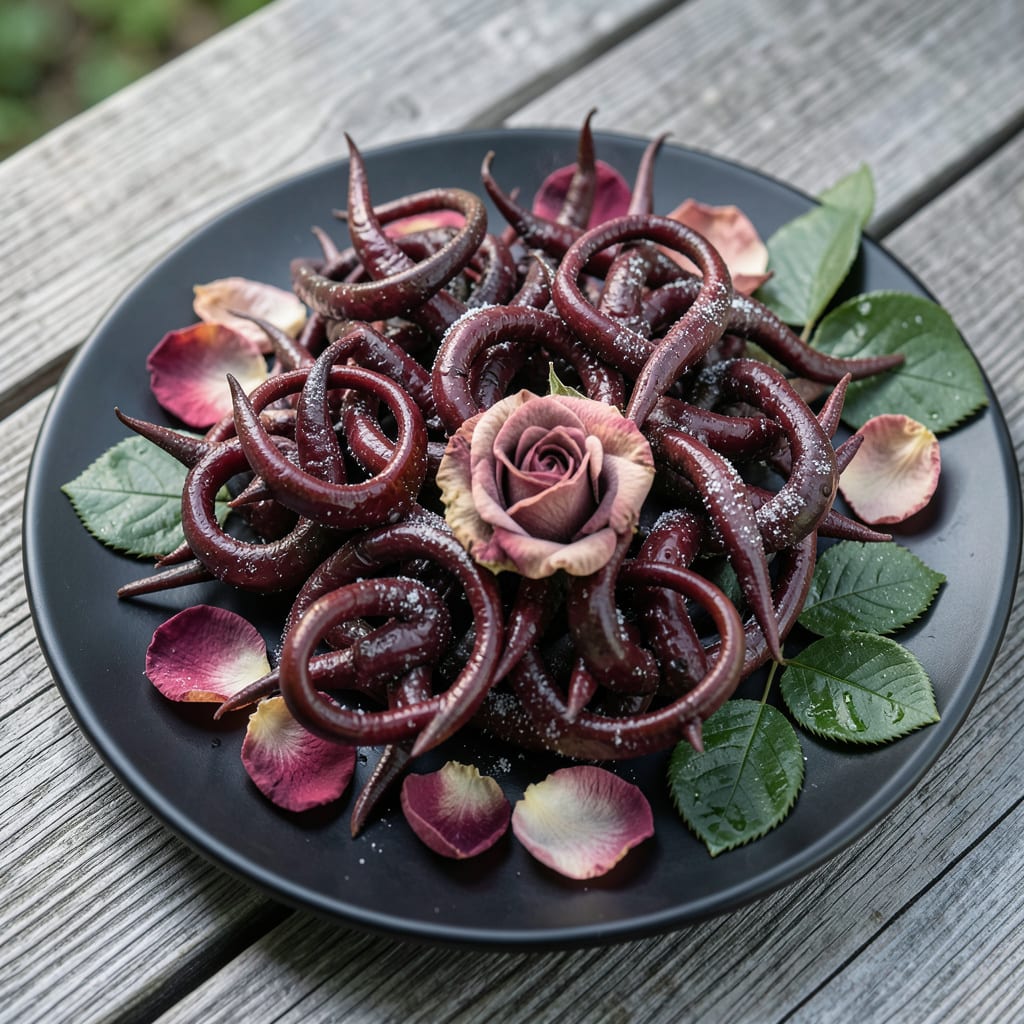
Those twisted, red shoot clusters on your roses aren’t just odd growth. They’re the first warning sign of rose rosette disease, and the thorns tell the full story—thicker, more numerous, and often clustered in ways healthy roses never produce.
I first noticed it when my knockout roses started looking like they’d been attacked by a bad hairdresser. The new growth was distorted, the leaves curled, and the thorns came in bunches instead of the usual spacing. That’s when I knew this wasn’t normal stress.
Left untreated, it spreads fast through your garden, turning prized plants into twisted messes. The good news? You can stop it with vigilance and the right organic approach. Early action saves your other roses from the same fate.
Here’s how to spot it, contain it, and treat it before your whole garden pays the price.
Rose rosette disease (RRD) and its associated thorn abnormalities don’t appear out of nowhere. The condition is primarily driven by a virus—specifically, the Rose rosette virus (RRV)—which alters normal plant growth and causes the characteristic witch’s broom, excessive thorniness, and distorted leaves. Here’s why it happens:
The Phyllocoptes fructiphilus mite, also known as the rose leaf curl mite, is the primary vector. These microscopic pests feed on rose tissues and spread the virus as they move between plants. Unlike aphids or other insects, mites are so small they often go unnoticed until symptoms appear. Infected mites can transmit RRV in as little as 30 minutes of feeding.
While mites are the main carriers, the virus can also spread through grafting infected plant material or using contaminated pruning tools. Shared equipment between healthy and infected roses is a common but preventable cause. Always sterilize tools with 70% isopropyl alcohol between cuts.
Not all roses are equally vulnerable. Many modern hybrids, especially those in the Rosa multiflora family (like ‘The Fairy’ or ‘Flower Carpet’), are highly susceptible. Older heirloom varieties often show more resistance. Researchers believe certain genetic markers may influence a plant’s ability to resist or tolerate the virus.
Dealing with rose rosette disease and its thorny symptoms requires quick action and consistent care. Below are practical solutions tailored to specific causes, along with prevention tips to keep your roses thriving.
If you spot the telltale witch’s broom growth or distorted thorns, remove the infected plant immediately. Dig up the entire plant, including the roots, to prevent the virus from spreading to healthy roses. Bag and dispose of it—do not compost. This is the most effective way to stop the disease in its tracks.
The rose rosette virus spreads via tiny eriophyid mites. To disrupt their lifecycle, prune affected canes and apply horticultural oil or neem oil to the remaining plant. Spray in the early morning or late evening to avoid harming beneficial insects. Repeat every 5–7 days until mites are gone.
Healthy roses resist disease better. Fertilize regularly with a balanced organic feed and ensure proper watering (deep but infrequent). Mulch around the base to retain moisture and reduce stress. Avoid overhead watering to minimize leaf wetness, which can attract mites.
Consistency is key—act fast at the first sign of trouble to protect your garden!
The virus disrupts normal growth, causing excessive thorn production as a stress response. These thorns often appear clustered and thicker than usual.
Yes, contaminated tools can transfer the virus between plants. Always sterilize with 70% isopropyl alcohol between cuts.
Older heirloom varieties often show more resistance than modern hybrids. ‘Knock Out’ and ‘Dr. Huey’ are good choices for disease-prone areas.
Remove them immediately at first signs of witch’s broom or distorted thorns. Delaying increases the risk of spreading to healthy roses.
