
Beautiful Plants For Your Interior
Beautiful Plants For Your Interior
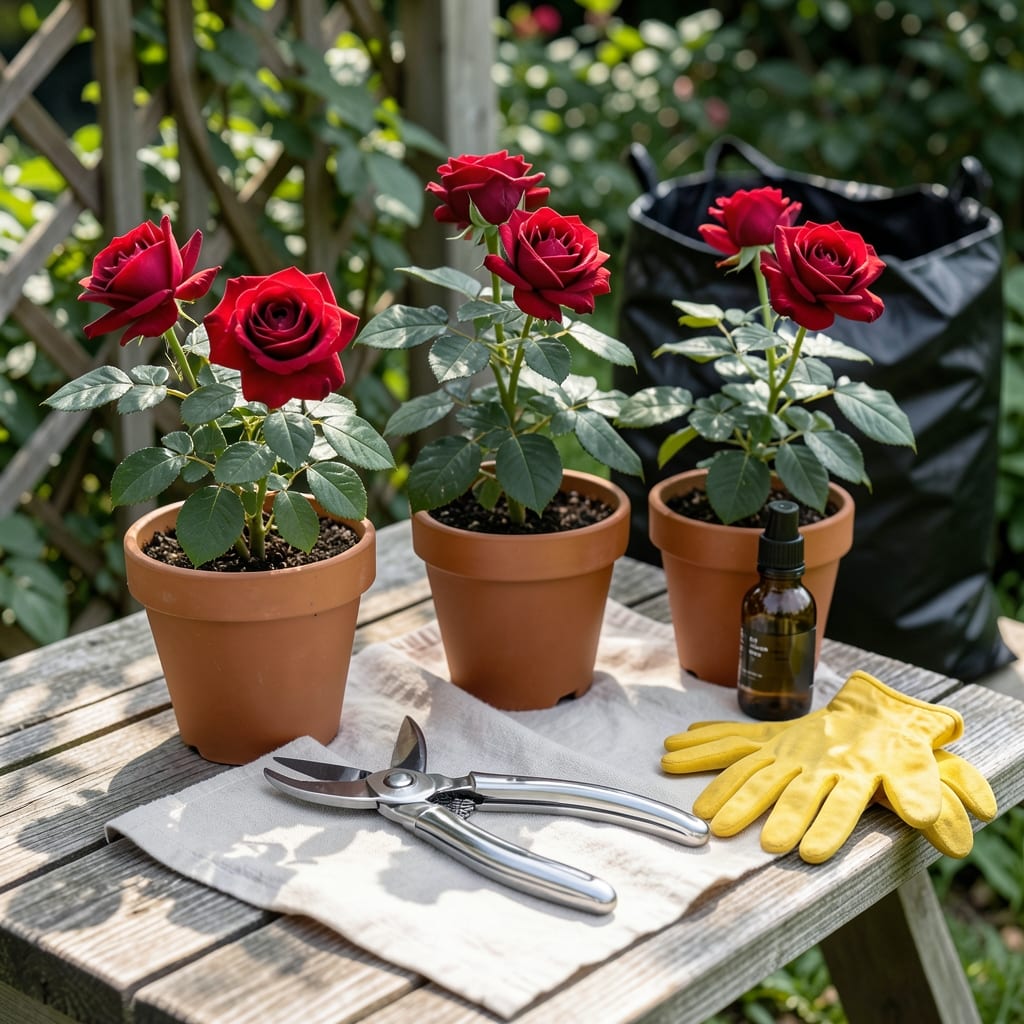
I lost three rose bushes to this silent killer before learning the early signs. Rose rosette disease spreads fast, but early detection and organic treatments can save your garden.
Spot the red, distorted new growth first. Then act fast with removal and sanitation. Resistant varieties and clean tools are your best defense against this spreading threat.
Nothing exotic—just garden basics to protect your roses from this silent threat.
| Ingredient | Amount | Notes |
|---|---|---|
| Resistant Rose Varieties 🌹 | 3 plants | Disease-resistant cultivars like Knock Out |
| Pruning Shears ✂️ | 1 piece | Disinfect between cuts |
| Rubbing Alcohol 🧴 | 1 bottle | 70% isopropyl for tool sterilization |
| Neem Oil 💧 | 1 quart | Organic fungicide treatment |
| Garden Gloves 🧤 | 1 piece | Durable nitrile or latex |
| Trash Bags 🗑️ | 5 bags | Heavy-duty for infected plant removal |
| Horticultural Oil 🛢️ | 1 quart | Dormant season application |
| Soap Solution 🧼 | 1 gallon | Mild insecticidal soap mix |
| Magnifying Glass 🔍 | 1 piece | For early symptom detection |
| Spray Bottle 💦 | 1 piece | For oil/soap application |
[recipe_ingredient_scaler]
Resistant varieties are your first line of defense. Knock Out roses show excellent resistance (the good stuff, not the bargain bin finds). Local nurseries often carry disease-resistant stock and can advise on regional threats. I always ask for certified clean plants to avoid starting with infected stock.
No neem oil? Horticultural oil works nearly as well for prevention—just apply during dormant season. Soap solution (1 tbsp mild soap per gallon of water) handles mild infestations. Pruning shears must be sterilized between cuts with rubbing alcohol (or whatever disinfectant you’ve got).
Store oils in a cool, dark place—they degrade in heat. Keep rubbing alcohol sealed tight to prevent evaporation. I label all my treatment bottles with date and purpose so I’m not guessing next season.
Preventing rose rosette disease starts with vigilance and these proven organic methods I’ve refined over years.
Begin with the 3 plants Resistant Rose Varieties, such as Knock Out roses, which show natural resistance to the disease. Position them in well-spaced locations to encourage airflow, reducing the risk of mite transmission. I always start with resistant cultivars to minimize vulnerability from the outset.
Use the 1 piece Magnifying Glass weekly to inspect new growth for early symptoms—look for distorted, reddish shoots or excessive thorniness that signals infection. Catching these signs early is critical, as the disease spreads rapidly once established.
Before pruning, disinfect the 1 piece Pruning Shears with 1 bottle Rubbing Alcohol to prevent spreading pathogens between plants. I soak the blades for at least 30 seconds between cuts, then let them air dry. This step is non-negotiable for disease control.
If you spot infected growth, remove it immediately using the sterilized shears. Place all infected material directly into the 5 bags Trash Bags—never compost it, as this can spread the disease. Seal the bags tightly and dispose of them with household trash.
Mix 1 quart Neem Oil with water in the 1 piece Spray Bottle according to label instructions, and apply it to the foliage every 7-10 days during the growing season. Neem oil disrupts the life cycle of eriophyid mites, the primary vectors for rose rosette disease. Cover both sides of the leaves thoroughly for maximum effectiveness.
For dormant season protection, use the 1 quart Horticultural Oil to smother overwintering mites and eggs. Apply it on a dry, calm day when temperatures are above 40°F but below 90°F. I’ve found this timing ensures the oil adheres properly without harming the plant.
The 1 gallon Soap Solution serves as a secondary defense against soft-bodied pests that may accompany mite infestations. Spray it in the early morning or late evening to avoid leaf burn, focusing on the undersides of leaves where mites often hide. Reapply after rain or heavy watering.
Wear the 1 piece Garden Gloves during all treatments to protect your hands from oils and solutions. I always double-check that my gloves are intact and free of tears before starting, as skin contact with these substances can cause irritation.
Preventing rose rosette disease keeps your garden thriving and your roses blooming beautifully. Healthy roses free from this virus can produce vibrant flowers and lush foliage, enhancing your garden’s aesthetic and ecological value. 🌹
By preventing the spread of rose rosette disease, you protect not just your roses but also the surrounding plants and pollinators. A disease-free garden supports a balanced ecosystem, ensuring bees, butterflies, and other beneficial insects thrive. 🐝
Early detection and prevention of rose rosette disease save you money in the long run. You avoid the cost of replacing infected plants and reduce the need for chemical treatments. Organic prevention methods are often budget-friendly and sustainable. 💰
Knowing your garden is protected from rose rosette disease gives you peace of mind. You can enjoy your outdoor space without the stress of battling a viral outbreak, focusing instead on the joy of gardening. 🌿
