
Beautiful Plants For Your Interior
Beautiful Plants For Your Interior
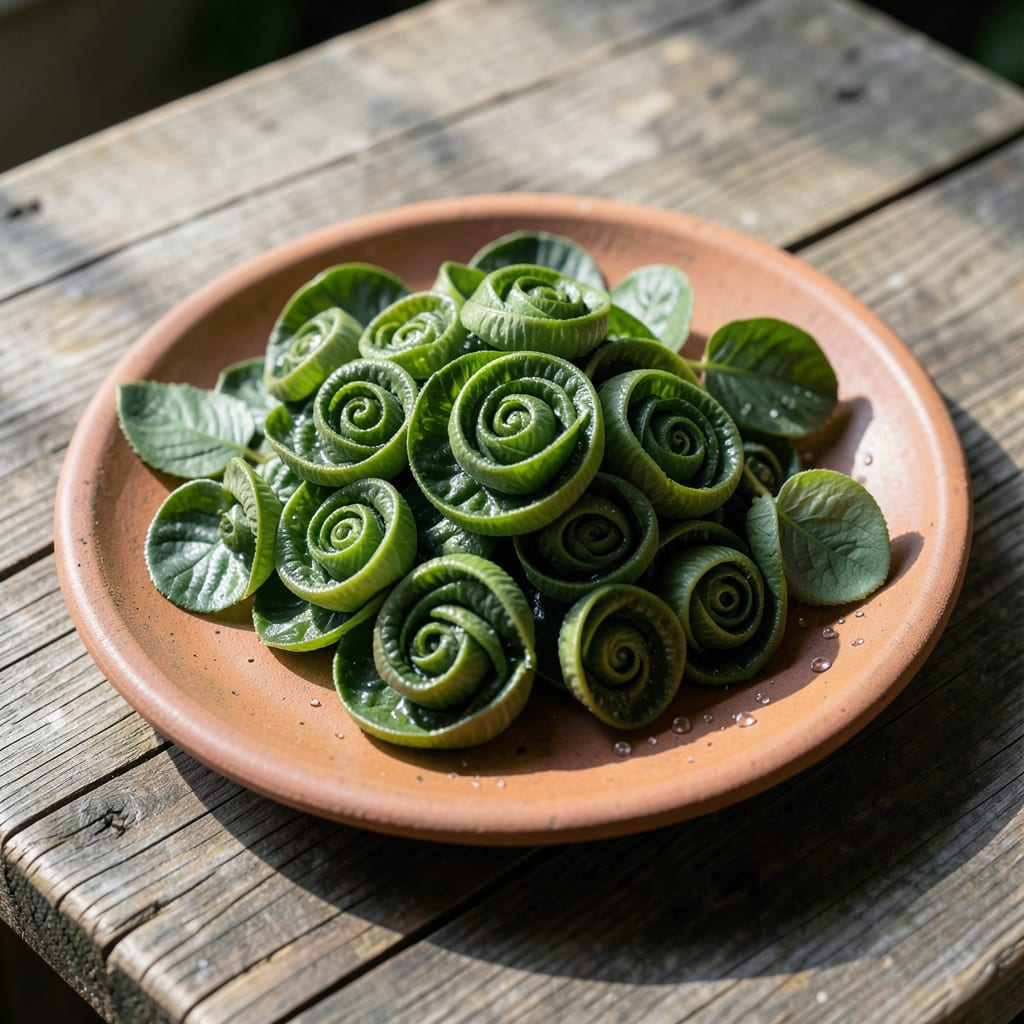
My rose bushes looked perfect yesterday. Today, the leaves resemble tiny tacos. 🌿 Rose leaf curl hits fast, often overnight, transforming healthy foliage into distorted, discolored messes that can’t photosynthesize properly.
Here’s the thing—this isn’t always a death sentence. Most cases stem from environmental stress or fungal issues that respond well to simple fixes. I’ve nursed curled-leaf roses back to full, healthy blooms in 2-3 weeks with the right approach.
You’ll spot the difference immediately once you know what to look for. New growth stays smooth and green, while affected leaves twist at the edges. The solution often involves adjusting water, improving air flow, or applying a natural treatment.
Works for all rose varieties, from climbers to shrubs. Let’s straighten things out.
Rose leaf curl is a distress signal from your plant, often triggered by environmental stressors, pests, or diseases. Here’s a breakdown of the most common causes:
Peach leaf curl (Taphrina deformans) and other fungal pathogens thrive in damp, cool conditions. These microbes disrupt cell growth in new leaves, causing distortion, reddening, or thickened textures. Overhead watering and poor air circulation exacerbate the problem.
Aphids, thrips, and spider mites suck sap from rose leaves, weakening the plant and causing leaves to curl inward as a defensive response. Check the undersides of leaves for tiny insects or webbing.
Extreme heat, drought, or sudden temperature swings can force leaves to curl to reduce water loss. Over-fertilization (especially with nitrogen) may also trigger excessive, weak growth that’s prone to curling.
Virus-induced curl, like Rose rosette virus (spread by mites), causes witch’s broom growth and distorted, curled foliage. Infected plants often decline rapidly and require removal to prevent spread.
Deficiencies in magnesium or calcium can manifest as leaf curl, often accompanied by yellowing or necrosis. Test soil pH—roses prefer slightly acidic to neutral (6.0–7.0).
Tackling leaf curl in roses starts with identifying the root cause. Here’s a clear, actionable guide to restore your plant’s health:
If the curl is paired with spots or yellowing, prune infected leaves immediately with sterilized shears to prevent spread. Spray the plant with a copper-based fungicide or a DIY mix of 1 tsp baking soda + 1 quart water + a drop of dish soap. Apply every 7–10 days until symptoms fade.
Prevention tip 💡: Improve airflow by spacing plants 3–4 feet apart and watering at the base to keep foliage dry.
Aphids, mites, or thrips cause curling by sucking sap. Blast them off with a strong water spray, then apply neem oil or insecticidal soap every 5–7 days. For severe cases, introduce ladybugs or lacewings as natural predators.
Prevention tip 🎯: Inspect leaves weekly (especially undersides) and encourage beneficial insects with companion plants like marigolds.
Overwatering, drought, or extreme heat can stress roses. Check soil moisture—water only when the top 2 inches are dry. Shield plants from harsh afternoon sun with shade cloth and mulch to retain moisture. If roots are waterlogged, improve drainage by amending soil with compost.
Prevention tip ✨: Use drip irrigation to deliver water directly to roots and avoid wetting leaves.
Yellowing + curling often signals a lack of magnesium or potassium. Apply a balanced rose fertilizer (10-10-10) or Epsom salt (1 tbsp per gallon of water) as a foliar spray. Test soil pH—roses thrive at 6.0–6.5; adjust with lime (to raise pH) or sulfur (to lower).
Prevention tip 🌡️: Feed roses every 4–6 weeks during growing season, but stop 6 weeks before frost to harden off new growth.
Mild cases from environmental stress may improve with proper care. Severe cases from pests or disease usually require treatment. Remove damaged leaves to redirect energy to healthy growth.
Ensure good air circulation, water at the base, and avoid overhead sprinkling. Space plants 3-4 feet apart and maintain consistent moisture levels.
Blast pests off with water, then apply neem oil or insecticidal soap every 5-7 days. For stubborn infestations, introduce ladybugs as natural predators.
Avoid fertilizing until you identify the cause. If it’s nutrient deficiency, use a balanced 10-10-10 fertilizer or Epsom salt for magnesium. Never fertilize stressed plants.
