
Beautiful Plants For Your Interior
Beautiful Plants For Your Interior
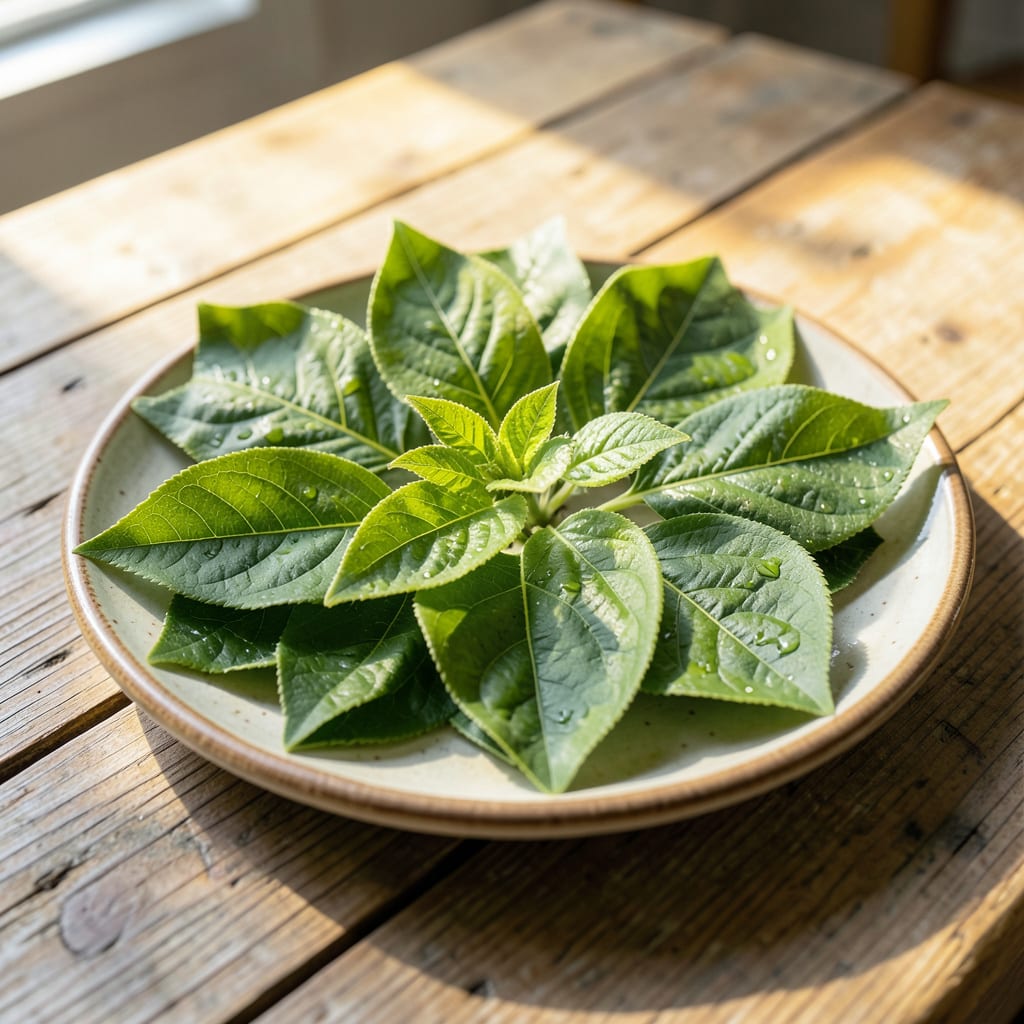
Rose of Sharon leaves often spark curiosity—are they safe to eat or a garden problem? I’ve seen both sides firsthand, from their subtle flavor in teas to the frustration of yellowing leaves signaling trouble.
These leaves can add interest to dishes, but they also reveal when your plant’s struggling with pests or poor soil. The key is knowing which signs to watch for and when to enjoy them safely.
📚 In This Guide
Here’s the method I rely on for safe handling and preparation of these unique leaves.
Choose young, tender leaves from your Rose of Sharon bush in early summer before they toughen. Look for vibrant green leaves without spots or insect damage. I always harvest in the morning when the leaves are most hydrated and flavorful.
Use clean scissors to snip leaves at the stem, taking no more than one-third of the foliage from any single branch. This ensures the plant stays healthy while providing enough for your needs. Avoid leaves that have been treated with pesticides or herbicides.
Rinse the leaves thoroughly under cool running water to remove dirt, dust, or any garden debris. Gently pat them dry with a clean towel. Inspect each leaf carefully for signs of disease or pest activity—discard any that look suspect.
I like to lay them out on a paper towel for a few minutes to air-dry completely. This step is crucial because excess moisture can lead to spoilage during storage. You’ll know they’re ready when the surface feels dry to the touch but the leaves still retain their flexibility.
Rose of Sharon leaves can be used fresh or cooked. For fresh applications, finely chop the leaves and use sparingly as a garnish or in salads. I’ve found that younger leaves have a milder flavor that pairs well with other greens.
If cooking, blanch the leaves in boiling water for 30-45 seconds to reduce any bitterness. Then, shock them in ice water to preserve their color and texture. They can be sautéed with garlic or added to soups, much like spinach.
For short-term storage, place clean, dry leaves in a sealed container with a paper towel to absorb moisture. They’ll keep in the refrigerator for 3-5 days. For longer storage, blanch the leaves first, then freeze them in a single layer on a tray before transferring to a freezer bag.
I label my containers with the date to keep track of freshness. Frozen leaves will maintain their quality for up to 6 months. Always thaw frozen leaves in the refrigerator before using them in cooked dishes.
Small details make a big difference when working with these delicate leaves.
Harvesting Timing: In Step 1, harvesting in early summer is crucial because that’s when leaves are most tender and mild. I learned the hard way that waiting until late summer results in tough, bitter leaves that are unpleasant to eat. Morning is also key—leaves harvested then have the best texture and flavor.
The One-Third Rule: Never take more than one-third of the foliage from any branch as mentioned in Step 1. This isn’t just about being conservative—it’s about plant health. I’ve seen bushes stressed by over-harvesting, which affects future growth and can even kill the plant if done repeatedly.
Drying Technique: In Step 2, don’t rush the drying process. Letting leaves air-dry on paper towels for a few minutes prevents mold during storage. I skip this step sometimes when I’m in a hurry, and I always regret it when my leaves spoil prematurely.
Blanching Precision: For cooking in Step 3, those 30-45 seconds in boiling water are non-negotiable. Under-blanching leaves bitterness, while over-blanching turns leaves to mush. I set a timer to nail this window every time, and the difference in texture and flavor is noticeable.
Yes, but in moderation. The young leaves are edible and often used in teas or salads. However, they contain small amounts of mucilage, which may cause mild digestive discomfort if consumed excessively. Always cook or steep them properly.
Harvest leaves in spring or early summer when they’re tender and free from pests. Avoid mature or wilted leaves, as they can be tough or bitter. Morning is ideal for the freshest pick.
Absolutely! Steep fresh or dried leaves in hot water for 5-10 minutes. The tea has a mild, slightly floral taste. Add honey or lemon for extra flavor. Just don’t overdo it—stick to 1-2 cups a day.
Yellowing leaves often signal overwatering, poor drainage, or nutrient deficiencies. Check soil moisture and ensure proper drainage. If the issue persists, test soil pH or look for pests like aphids.
If you’re seeking edible leaves, try hibiscus, dandelion greens, or mallow. These offer similar mild flavors and are commonly used in teas, salads, or cooked dishes.
