
Beautiful Plants For Your Interior
Beautiful Plants For Your Interior
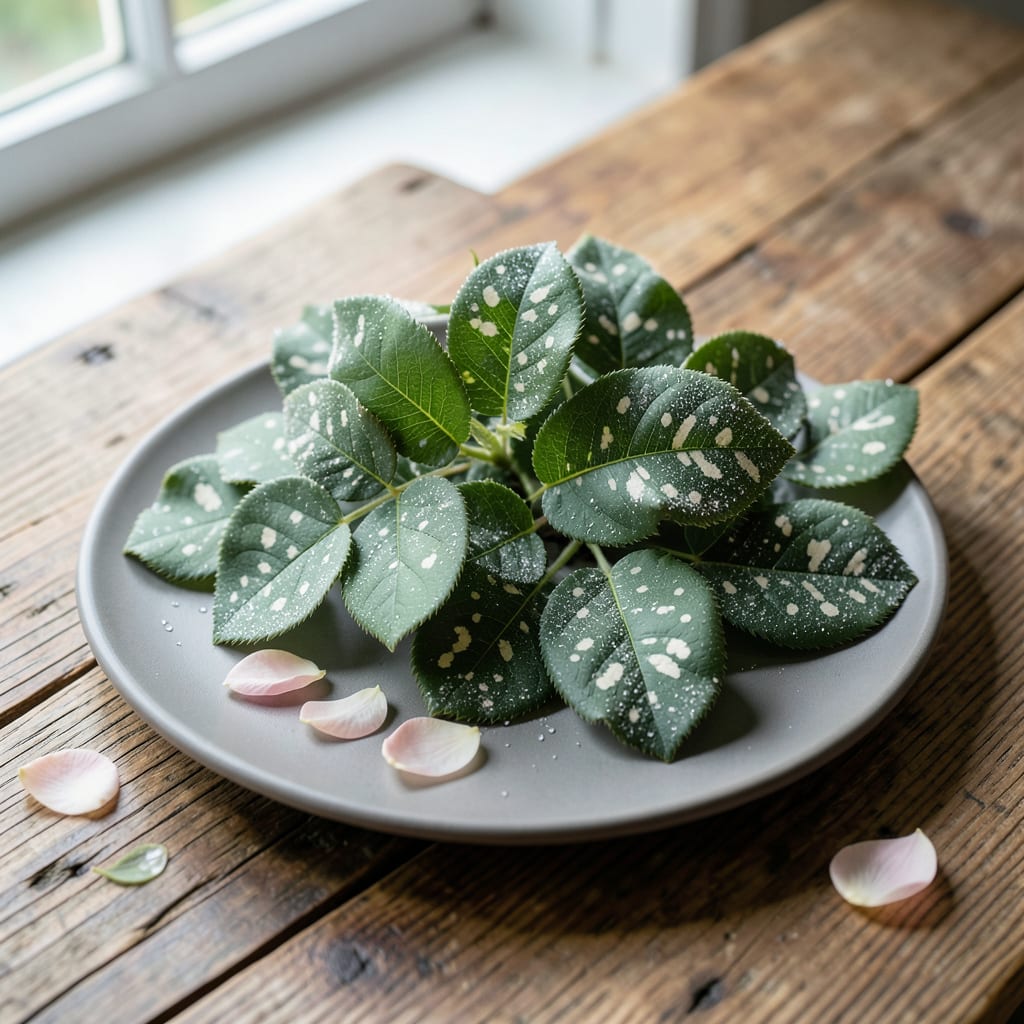
Those white spots on your rose leaves aren’t just unsightly—they’re a warning sign. I’ve seen powdery mildew turn healthy bushes into struggling plants overnight, and it always starts with just a few spots.
The good news? This is 100% treatable and even preventable with the right approach. Most gardeners overcomplicate the solution, but it’s often as simple as improving air circulation and using a basic spray.
Within a week of treatment, you’ll notice the white coating fading and new growth emerging clean. The key is acting fast before it spreads to every leaf and stem.
Works for all rose varieties, whether you’re growing climbers, shrubs, or hybrid teas. Here’s how to stop it in its tracks.
White spots on rose leaves often signal an underlying issue, usually tied to fungal infections, pests, or environmental stressors. Below are the most common causes, explained scientifically for clarity and actionable solutions.
Podosphaera pannosa, the fungus responsible for powdery mildew, thrives in warm, dry climates with high humidity. It appears as a white, powdery coating on leaves, stems, and buds. This fungus spreads via airborne spores, which germinate when they land on moist rose foliage. Poor air circulation and crowded plantings exacerbate the problem.
These tiny pests (Tetranychus urticae) pierce leaf cells to feed, leaving behind white or yellow stippling. Severe infestations create a web-like substance on the undersides of leaves. Spider mites proliferate in hot, dry conditions, especially when roses are water-stressed.
A physiological disorder, edema occurs when roots absorb water faster than the plant can transpire it, causing cells to burst. This results in white, blister-like spots on leaves. Cool, humid weather paired with moist soil often triggers this condition in roses.
White spots may also indicate a lack of essential nutrients like magnesium or iron. Magnesium deficiency causes interveinal chlorosis (white or yellow patches between veins), while iron deficiency leads to overall yellowing with green veins. A soil test can confirm imbalances.
Addressing white spots on rose leaves starts with identifying the cause and applying the right fix. Here’s how to tackle the most common issues:
Mix 1 tablespoon baking soda + 1 teaspoon dish soap + 1 gallon water. Spray affected leaves thoroughly, focusing on the undersides. Repeat every 5–7 days until spots disappear. Prevention tip: 💡 Improve air circulation by pruning dense foliage and watering at the base to keep leaves dry.
Blast pests off with a strong stream of water, then apply neem oil or insecticidal soap. Spray every 3–4 days until pests are gone. Prevention tip: ✨ Encourage beneficial insects like ladybugs by planting companion flowers (e.g., marigolds) nearby.
Remove and destroy infected leaves to stop the spread. Apply a copper-based fungicide or a homemade remedy of 1 part milk to 9 parts water. Spray weekly. Prevention tip: 🌡️ Avoid overhead watering and ensure roses get 6+ hours of sunlight daily.
Let the soil dry slightly between waterings. If drainage is poor, amend the soil with compost or sand. Prevention tip: 🎯 Use a moisture meter to check soil dampness before watering.
Test your soil and adjust with a balanced rose fertilizer (e.g., 10-10-10). Magnesium deficiency? Add Epsom salt (1 tablespoon per gallon of water) monthly. Prevention tip: 🌱 Feed roses every 4–6 weeks during growing season.
Consistency is key—monitor leaves after treatment and adjust as needed. Healthy roses start with proactive care!
Yes, fungal spores like powdery mildew can travel via wind to nearby plants. Isolate affected roses and treat immediately.
With consistent application, baking soda or neem oil sprays often show improvement in 3-5 days. Full recovery may take 2-3 weeks.
Yes, but rinse leaves thoroughly before consuming. Avoid chemical fungicides if you use rose hips or petals for tea.
Incomplete coverage or persistent moisture enables regrowth. Reapply treatments after rain and improve air circulation long-term.
