
Beautiful Plants For Your Interior
Beautiful Plants For Your Interior
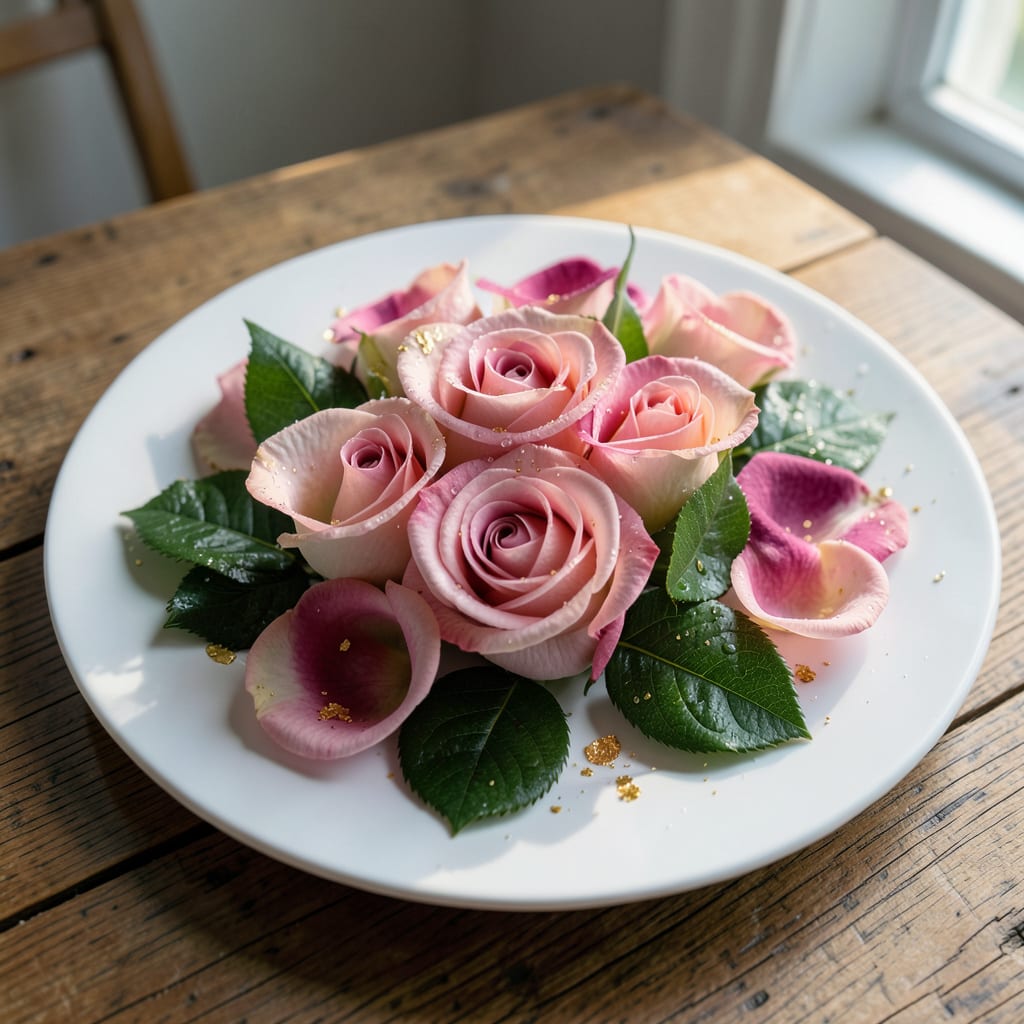
Curled rose leaves ruined my first garden season. 🌱 I watched healthy foliage twist into brittle, deformed messes overnight—turns out, it wasn’t just bad luck.
The culprit is usually peach leaf curl fungus, but environmental stress plays a role too. Warm, wet springs create perfect conditions for spores to spread. Most gardeners don’t realize how quickly this can take over an entire bush.
Organic treatments work surprisingly well if you catch it early. A copper fungicide spray or baking soda solution can stop the spread within days. Prune affected leaves immediately to prevent further damage.
Your roses will bounce back with vibrant green growth once treated properly. Prevention is simpler than you think—just keep the foliage dry and improve air circulation around your plants.
Rose leaf curl is a common issue that can leave gardeners scratching their heads. Understanding the root causes helps you tackle the problem effectively. Below are the primary reasons why your rose leaves might be curling, along with clear explanations.
Fungi like Diplocarpon rosae (the culprit behind black spot) and Phyllactinia species thrive in warm, humid conditions. These pathogens infect rose leaves, disrupting their cellular structure and causing distortion, curling, and discoloration. Poor air circulation and overhead watering exacerbate fungal growth.
Aphids, thrips, and spider mites are notorious for sucking sap from rose leaves, leading to stress and curling. Aphids, in particular, inject toxins as they feed, which directly causes leaf deformation. Regularly inspect the undersides of leaves for these tiny pests.
Extreme temperatures, drought, or excessive watering can stress roses, prompting leaves to curl as a survival response. High heat increases transpiration, while cold snaps can damage leaf tissues. Inconsistent watering (too much or too little) disrupts nutrient uptake, further stressing the plant.
A lack of essential nutrients, particularly magnesium or potassium, can manifest as curled or yellowing leaves. Magnesium deficiency often appears as interveinal chlorosis (yellowing between veins), while potassium deficiency causes leaf edges to curl and brown. Soil testing can confirm imbalances.
Exposure to herbicides, even in trace amounts, can cause severe leaf curling and distortion. Glyphosate-based weed killers are common offenders. Always apply herbicides carefully, especially on windy days, to prevent accidental drift onto roses.
Tackle rose leaf curl with these targeted solutions, each addressing a specific cause. Follow the steps below to restore your roses’ health and prevent future issues.
If the curl is caused by peach leaf curl or other fungi, act fast. Prune affected leaves and stems with sterilized shears to stop the spread. Apply a copper-based fungicide or a homemade mix of 1 tablespoon baking soda + 1 teaspoon dish soap in 1 gallon of water. Spray thoroughly, covering both sides of the leaves. Prevention tip: 💡 Improve air circulation by spacing plants properly and watering at the base to keep foliage dry.
Aphids, thrips, or spider mites can cause curling by sucking sap from leaves. Blast them off with a strong stream of water, then apply neem oil or insecticidal soap every 5–7 days until gone. For stubborn pests, introduce beneficial insects like ladybugs. Prevention tip: 🎯 Encourage natural predators by planting companion flowers like marigolds or alyssum nearby.
Heat, drought, or overwatering can stress roses, leading to curled leaves. Ensure consistent moisture—water deeply 1–2 times per week (more in extreme heat) and mulch to retain soil moisture. If leaves curl from too much sun, provide afternoon shade with a shade cloth. Prevention tip: ✨ Monitor soil moisture with your finger—water when the top inch feels dry.
Yellowing and curling may signal a lack of magnesium or potassium. Apply a balanced rose fertilizer (10-10-10) or amend soil with Epsom salt (1 tablespoon per gallon of water) for magnesium. For potassium, use banana peel compost or a potassium-rich supplement. Prevention tip: 🌱 Test soil annually and adjust amendments as needed for optimal nutrient levels.
Yes! A mix of 1 tablespoon baking soda + 1 teaspoon dish soap in 1 gallon of water works well for fungal issues. Spray every 5-7 days until the problem clears. Neem oil is also effective against pests.
Water deeply 1-2 times per week, more in extreme heat. Always check the top inch of soil—if it feels dry, it’s time to water. Avoid overhead watering to keep foliage dry.
Recheck for pests or nutrient deficiencies. If the issue persists, test your soil or consult a local nursery for tailored advice. Sometimes, environmental stress like heatwaves needs time to resolve.
