
Beautiful Plants For Your Interior
Beautiful Plants For Your Interior
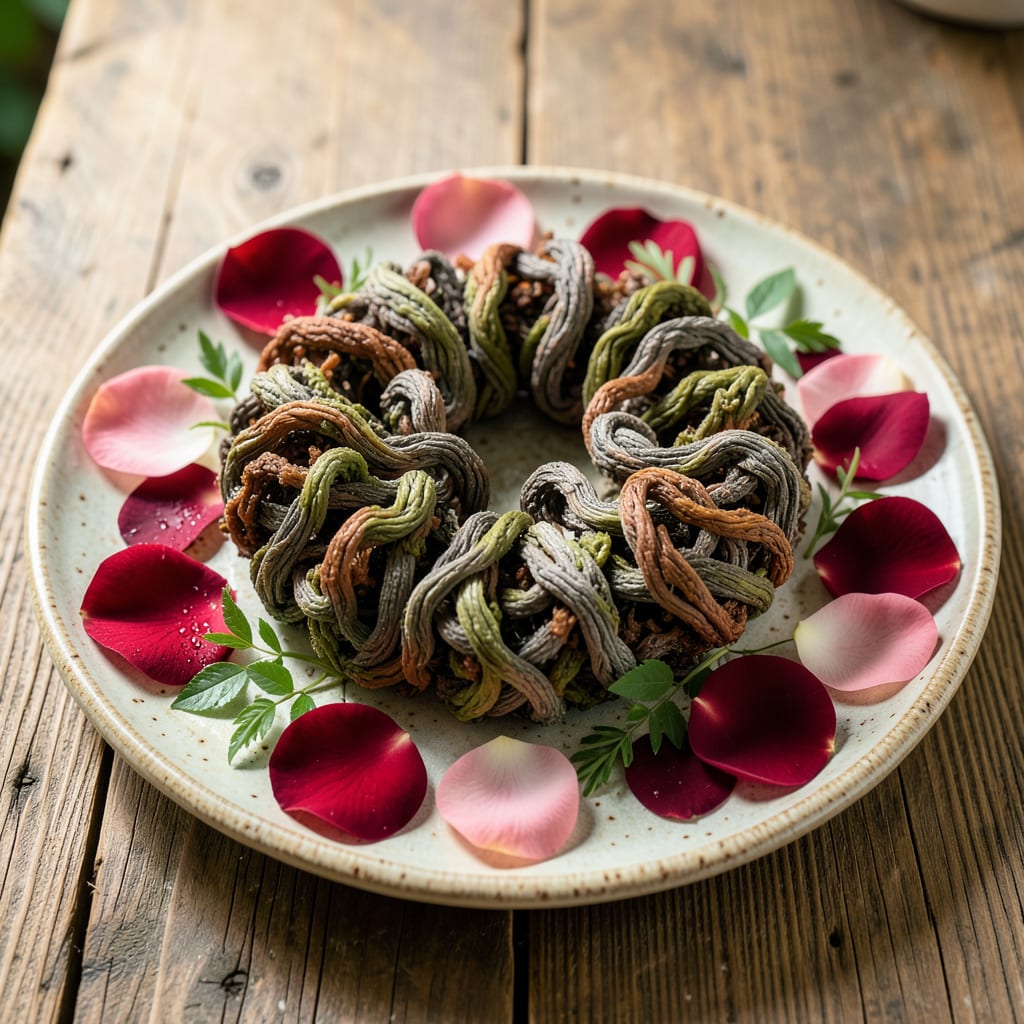
I first noticed the weird, bunched growth on my roses last spring. Witches broom isn’t just ugly—it spreads fast and weakens plants if left unchecked.
This disease shows up as dense, twisted clusters of shoots where normal growth should be. It’s often caused by a fungus or bacteria that disrupts the plant’s natural growth pattern.
Catching it early makes all the difference. I removed affected stems immediately and saw new, healthy growth return within 3-4 weeks.
With the right approach, you can restore your roses to their full, vibrant glory. Here’s how to tackle it effectively.
Witches’ broom in roses is a fascinating yet troublesome condition that transforms healthy growth into dense, twisted clusters of shoots. This abnormality isn’t random—it’s triggered by specific biological invaders and environmental stressors. Understanding the root causes helps gardeners take precise action to protect their plants.
The primary culprit behind witches’ broom in roses is phytoplasma, a type of bacteria lacking cell walls. These microscopic organisms infect the plant’s phloem (its nutrient-transporting tissue), disrupting normal growth hormones. The result? Excessive, unruly branching that resembles a broom—hence the name. Phytoplasmas are often spread by leafhopper insects, which introduce the bacteria while feeding on sap.
Leafhoppers and other sap-sucking insects (like psyllids) are the unwitting delivery system for phytoplasma. They acquire the bacteria from infected plants and transmit it to healthy roses during feeding. Controlling these pests with neem oil or insecticidal soaps can reduce the risk of infection.
In grafted roses, witches’ broom can also stem from graft incompatibility. When the scion (the desired rose variety) and the rootstock aren’t genetically compatible, the plant may react by producing excessive, disorganized growth. This is the plant’s stressed response to the mismatch, not a pathogen. Proper grafting techniques and selecting compatible rootstocks prevent this issue.
While less common, severe stress—such as nutrient deficiencies, drought, or mechanical damage—can sometimes trigger broom-like growth. Roses under duress may overproduce shoots as a survival mechanism. Ensuring consistent watering, balanced fertilization, and protection from physical harm keeps plants resilient.
By targeting these causes—whether through pest management, careful grafting, or stress reduction—you can minimize the risk of witches’ broom and keep your roses thriving.
Witches broom in roses is stubborn, but these targeted fixes can restore your plant’s health. Address the root cause first, then apply the right remedy.
Prune off all distorted, broom-like growth immediately using sterilized shears. Cut at least 6 inches below the affected area to remove hidden pathogens. Burn or trash the debris—never compost it, as this spreads the disease. Disinfect tools with rubbing alcohol between cuts to prevent contamination.
Strengthen your rose’s defenses with organic solutions. Spray neem oil or copper fungicide weekly for 4–6 weeks to combat fungal or phytoplasma infections. For nutrient deficiencies, apply a balanced organic fertilizer (10-10-10) and kelp extract to improve vigor. Water at the base to keep foliage dry.
If the disease persists or the plant is severely stunted, remove and destroy it entirely. Replace with disease-resistant rose varieties like ‘Knock Out’ or ‘Dr. Huey.’ Inspect new plants carefully before introducing them to your garden.
Early action and consistency are key—stick with the routine, and your roses will thank you! 🌹
Phytoplasma bacteria are the main culprit, spread by leafhoppers. These disrupt the plant’s growth hormones, creating dense, twisted shoots. Graft incompatibility or severe stress can also trigger similar symptoms.
Prune infected areas 6 inches below the growth and apply neem oil weekly. If damage is extensive, removing the plant prevents spreading to healthy roses.
Sanitize tools, avoid overhead watering, and space plants 3-4 feet apart. Use insecticidal soap to control leafhoppers and other pests that carry the bacteria.
