
Beautiful Plants For Your Interior
Beautiful Plants For Your Interior
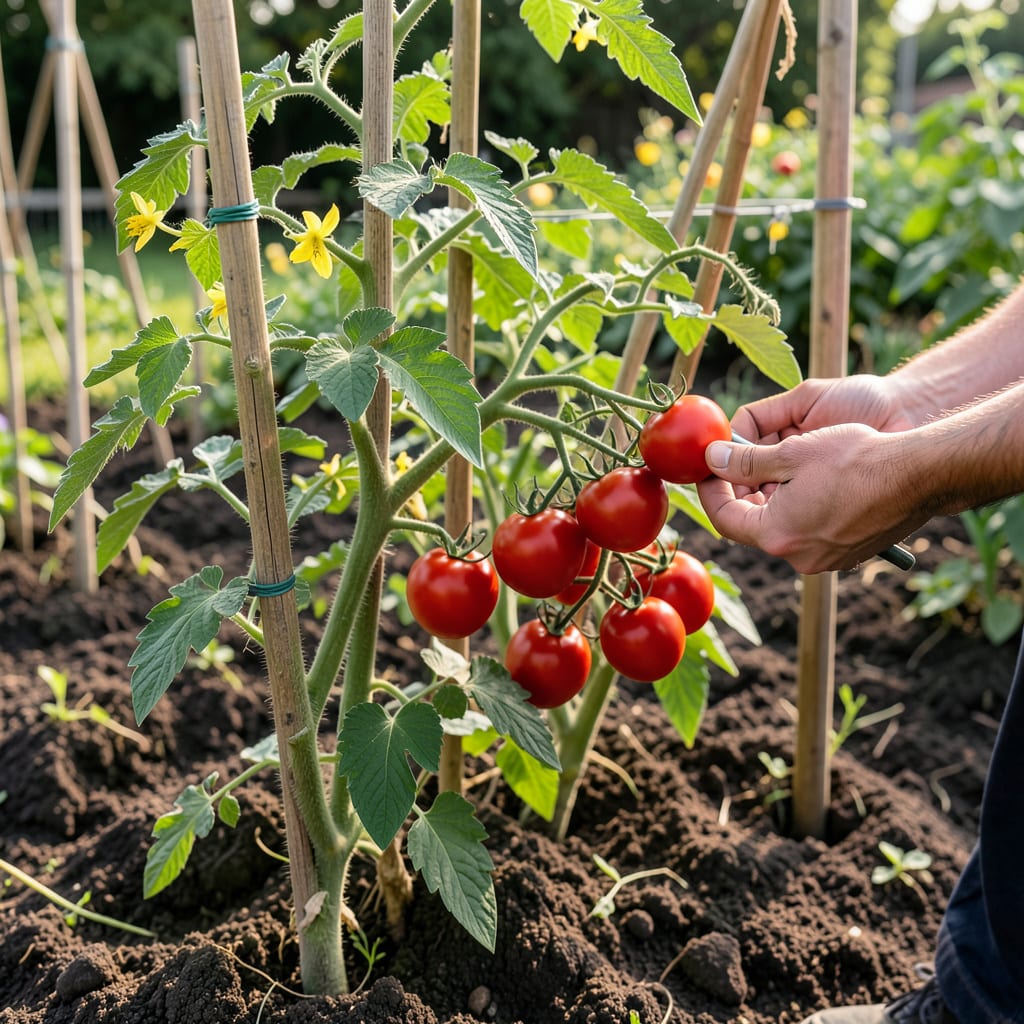
Nothing beats the taste of a Tomato picked at just the right moment. That perfect balance of sweetness and acidity doesn’t happen by accident – it’s all about timing.
I’ll show you the simple visual cues and texture tests to harvest your 🍅 crop at peak ripeness. These methods work for every variety, so you’ll never be left guessing again.


Timing your tomato harvest perfectly starts with knowing what to look for. The most reliable method is watching for color changes specific to your variety.
Red tomatoes transition from deep green to vibrant red, while yellow varieties shift from pale green to sunny yellow. Heirlooms may show streaks of color before fully ripening.
| Variety | Color Transition | Texture Test |
| Red | Green to deep red | Slightly soft |
| Yellow | Pale green to golden | Gentle give |
| Purple | Green to deep purple | Firm but yielding |
| Heirloom | Streaked to solid | Easy stem separation |
The gentle squeeze test works for all types. Press lightly with your fingertips – ripe fruit will have a slight give without being mushy.
For cherry tomatoes, they’re ready when they pop off the vine with minimal effort. Larger varieties like beefsteaks may need a twisting motion to separate cleanly.
Check the stem area too. A ripe tomato often develops a star-shaped crack at the stem, though this isn’t universal. The skin should look smooth and shiny when ready.
Green shoulders on heirlooms can be misleading. Some varieties maintain green near the stem even when ripe. Learn your specific variety’s habits to avoid premature picking.
Weather impacts ripening speed. Hot days accelerate the process, while cool nights may slow it. In extreme heat, tomatoes might ripen unevenly, developing blotchy coloration.
I always recommend checking tomatoes in the early morning when they’re cool. This makes color assessment easier and reduces stress on the plants during harvest.
Remember that size isn’t everything. A smaller tomato can be perfectly ripe while a larger one might still be green inside. Always combine color and texture tests for the most accurate results.
With practice, you’ll develop an eye for that perfect moment. The fruit should practically beg to be picked, with its vibrant color and slightly fragrant aroma signaling it’s time 🌱
Even experienced gardeners sometimes mishandle tomato harvesting. The most common error is relying solely on size as an indicator. A big tomato isn’t necessarily ripe, and a small one might be perfectly ready.
Another frequent mistake is ignoring weather impact. Hot spells can cause uneven ripening, while cool nights slow the process. I’ve seen many gardeners pick too early during a heatwave, thinking the fruit was ready.
Picking tomatoes at the wrong time can ruin their flavor and texture. Watch for these common mistakes that even seasoned gardeners make.
Overhandling fruit during checks can damage vines and cause premature dropping. Be gentle when testing for ripeness, using two fingers rather than your whole hand.
Many gardeners misinterpret green shoulders on heirloom varieties. These green areas near the stem are normal for some types, even when fully ripe. Know your specific variety’s characteristics.
Picking too late can be just as bad as picking too early. Overripe tomatoes become mushy and may split on the vine. Check your plants daily during peak harvest season.
With these warnings in mind, you’ll avoid the most common harvesting errors and enjoy perfectly ripe tomatoes every time ✂️
Timing your tomato harvest perfectly depends on the variety. Early-season types often ripen in 60-70 days, while late-season varieties may take up to 90 days from planting.
For cherry tomatoes, they typically ripen faster than larger types. I find they’re often ready to pick in clusters rather than individually, making them perfect for snacking straight from the vine.
In hot climates, tomatoes may ripen 2-3 days faster than average. I recommend checking plants every other day during heatwaves to catch them at peak ripeness.
For cool climates, you might need to pick tomatoes when they’re partially ripe and finish ripening indoors. This prevents them from being damaged by early frosts or cool nights.
Remember that beefsteak tomatoes often need more time on the vine to develop their full size and flavor. Don’t rush them – the wait is worth it for that meaty texture and rich taste.
By tailoring your approach to each variety and your local climate, you’ll consistently harvest tomatoes bursting with flavor at the perfect moment 🌿
Check daily during peak season. In hot weather, inspect every 24-48 hours as tomatoes ripen faster. Early morning is ideal when plants are cool and colors are easiest to assess.
Yes, in cool climates. Harvest when showing first color and ripen indoors at room temperature. This prevents damage from early frosts or chilly nights. Never refrigerate unripe tomatoes.
This is normal for many heirloom varieties. Some maintain green shoulders even when fully ripe. Always combine color checks with the gentle squeeze test for accuracy.
Pick in the early morning when temperatures are cooler. This reduces stress on plants and makes color assessment easier. Avoid harvesting during the hottest part of the day.
