
Beautiful Plants For Your Interior
Beautiful Plants For Your Interior
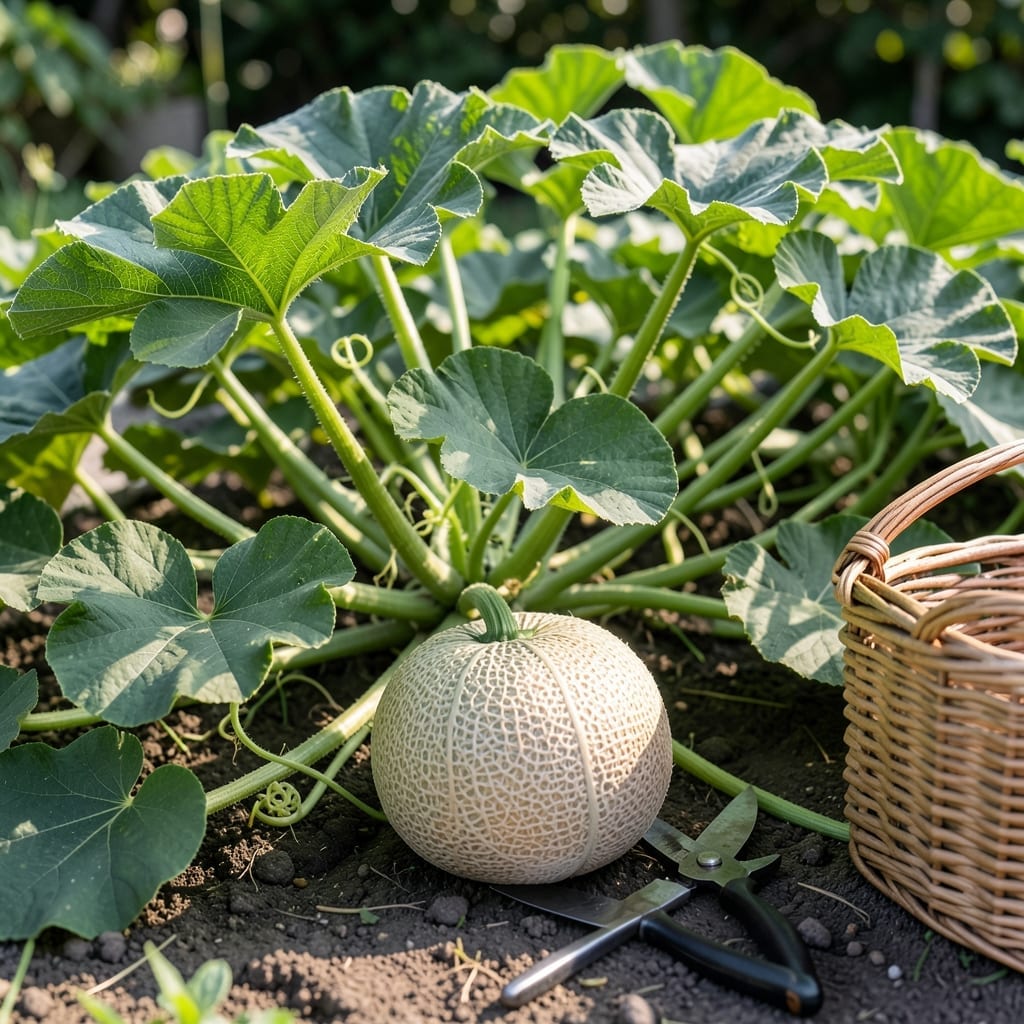
Nothing beats the sweet, juicy flavor of a perfectly ripe 🍈 cantaloupe—but picking one too early can leave you with a bland, underwhelming bite.
I’ve learned the hard way that timing is everything when it comes to harvesting. The difference between a mediocre melon and a bursting-with-flavor one often comes down to a few simple tests.
You don’t need fancy equipment to know when your cantaloupe is ready. With just your senses and a little know-how, you can confidently determine the perfect harvest moment.
Let me walk you through the most reliable methods to ensure every 🍈 cantaloupe you pick is at its peak of sweetness and ripeness.


I always tell gardeners that the stem slip test is the most reliable way to check cantaloupe ripeness. This method ensures you’re harvesting at the peak of sweetness, not too early or too late. It’s simple and foolproof for homegrown melons.
The stem slip test works because cantaloupes naturally detach from the vine when fully ripe. You’ll see the stem end start to separate, which is your signal to check further. This is nature’s way of telling you it’s ready.
If the stem doesn’t slip when you apply pressure, your cantaloupe isn’t ready. Forcing it off the vine will damage the fruit and reduce its sweetness. Patience is key here, as it can take a few more days.
When the stem slips easily, you’ll notice the cantaloupe also has a sweet aroma at the stem end. This aroma is another confirmation of ripeness. Trust your senses—they’re your best tools in the garden.
I’ve found that cantaloupes grown in full sun and well-draining soil tend to ripen more uniformly. Ensure your plants get 6-8 hours of sunlight daily for the best results. This helps the fruit develop its natural sugars.
Another tip: harvest in the morning when temperatures are cooler. This preserves the fruit’s freshness and sweetness. Handling cantaloupes gently during harvest prevents bruising and extends their shelf life.
If you’re growing multiple cantaloupes, check each one individually. Even on the same vine, fruits may ripen at slightly different times. I always mark the ones I’ve checked so I don’t miss any.
Remember, the stem slip test is just one indicator. Combine it with other cues like rind color and aroma for the most accurate results. This multi-sensory approach ensures you’re picking at the perfect time.
With practice, you’ll get a feel for when your cantaloupes are ready. The more you harvest, the more confident you’ll become in identifying the subtle signs of ripeness. 🌱
While the stem slip test is my go-to method, I always double-check with visual and tactile cues. A ripe cantaloupe will show distinct color changes that are hard to miss once you know what to look for.
The rind under the netting shifts from green to a tan or beige hue. This transformation signals that the sugars inside are developing. I also check for a pronounced netting pattern on the surface.
| Clue | Ready Sign | Not Ready Sign |
| Rind Color | Tan/beige under netting | Green under netting |
| Netting | Pronounced and raised | Faint or smooth |
| Aroma | Sweet smell at stem | No aroma |
| Blossom End | Slightly soft | Very firm |
The blossom end (opposite the stem) should yield slightly when pressed with your thumb. A ripe cantaloupe will have a sweet aroma at the stem end that you can smell without cutting it open.
I find the color changes are easiest to spot in morning light. The tan under the netting becomes more obvious as the fruit matures. Don’t confuse this with sunburn, which appears as white patches.
For the best flavor, I harvest when at least 3 of these 4 signs are present. This combination ensures the cantaloupe isn’t just ripe but at its peak sweetness. ☀️
Remember, these visual cues work best when combined with the stem slip test. A cantaloupe might show color changes but still need a day or two if the stem isn’t ready to detach. 🌱