
Beautiful Plants For Your Interior
Beautiful Plants For Your Interior
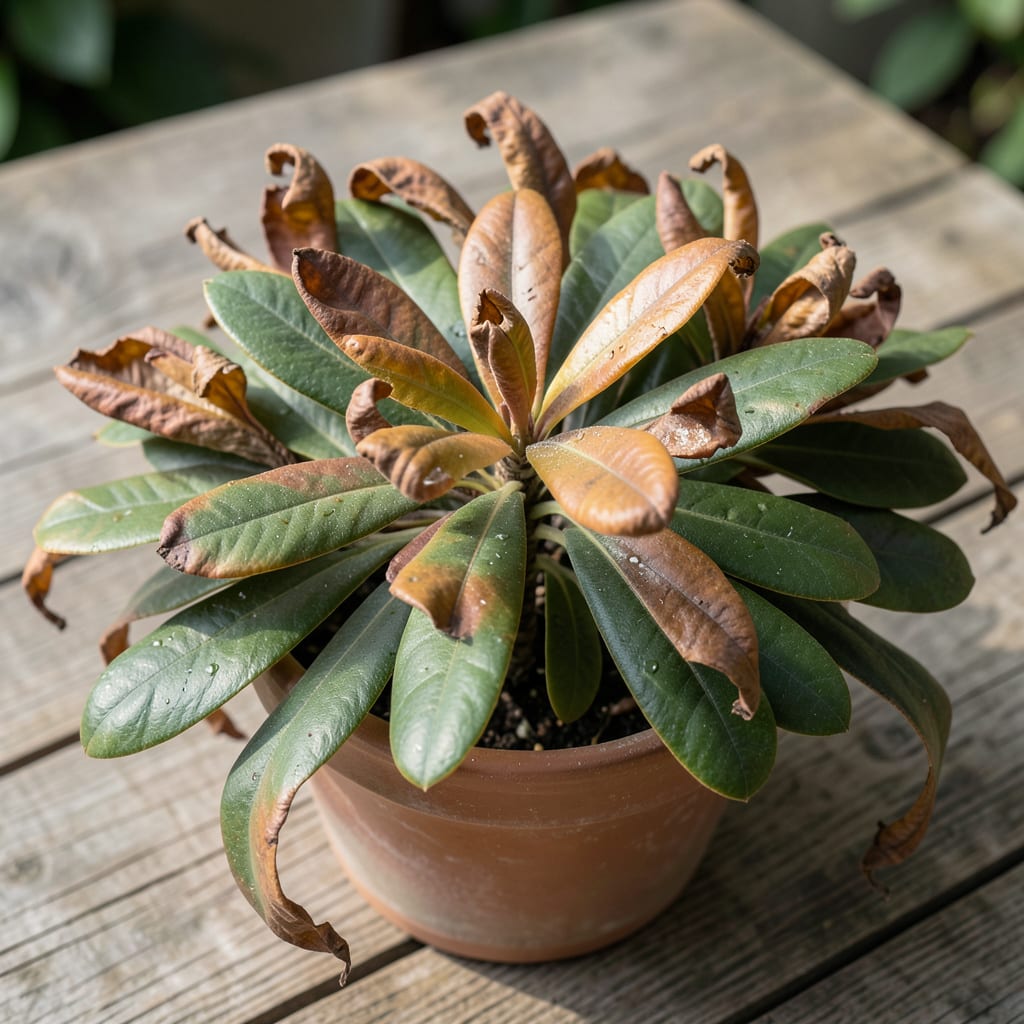
Watching rhododendron leaves curl and brown is heartbreaking. I’ve lost count of how many times I’ve stood there wondering what went wrong—until I learned to read the signs.
This usually means your plant is screaming for help, whether it’s too much sun, not enough water, or something more sinister like root rot. The good news? Most causes are fixable once you know what to look for.
With a little detective work and the right adjustments, those leaves can bounce back to their vibrant green glory. The key is acting fast before the damage spreads.
Works for potted plants, garden beds, or even that old rhododendron you inherited with the house. Here’s how to diagnose and fix it.
When your rhododendron’s leaves start curling and turning brown, it’s usually a distress signal. Here’s why it happens:
Extreme temperatures—both heatwaves and cold snaps—can shock the plant. High heat accelerates water loss, causing leaves to curl to conserve moisture. Frost damage disrupts cell structure, leading to browning. Solution: Provide afternoon shade in summer and mulch heavily before winter.
Overwatering suffocates roots, blocking nutrient uptake and causing yellowing followed by browning. Underwatering triggers curling as the plant tries to reduce surface area to minimize water loss. Solution: Keep soil consistently moist but well-drained. Test soil moisture 2 inches deep—water only if dry.
Pathogens like Phytophthora (root rot) or Botrytis (gray mold) thrive in damp conditions. Root rot chokes the plant, while mold attacks leaves directly, causing brown patches and curling. Solution: Improve air circulation, avoid overhead watering, and apply fungicide if needed.
Sap-sucking pests like lace bugs, spider mites, or aphids drain fluids from leaves, leading to stippling, curling, and browning. Solution: Inspect leaf undersides and treat with neem oil or insecticidal soap at first signs.
A lack of magnesium (interveinal chlorosis) or iron (yellowing with green veins) can stress the plant, indirectly causing browning. Acidic soil (pH 4.5–6.0) is critical for rhododendrons to absorb these nutrients. Solution: Test soil pH and amend with sulfur or chelated iron if deficient.
When your rhododendron leaves start curling and turning brown, quick action can save the plant. Below are targeted fixes for the most common causes, plus prevention tips to keep your shrub thriving.
Fix: Water deeply at the base (not leaves) early in the morning to hydrate roots before heat peaks. Apply a 2-3 inch layer of organic mulch (like pine bark) to retain moisture and cool the soil. Use shade cloth for temporary relief during extreme heatwaves.
Prevent: 💡 Plant rhododendrons in partial shade, especially in hotter zones. Water consistently (1-2 inches per week) and avoid overhead watering to prevent leaf scorch.
Fix: Stop watering immediately and check soil moisture—it should be damp but not soggy. If the soil is waterlogged, improve drainage by amending with perlite or compost. For potted plants, ensure drainage holes are unclogged.
Prevent: ✨ Plant in well-draining, acidic soil (pH 4.5–6.0). Use raised beds or containers if your garden has heavy clay soil.
Fix: Blast pests off leaves with a strong stream of water. Apply neem oil or insecticidal soap weekly until the infestation clears. For severe cases, use horticultural oil, but avoid spraying in direct sunlight.
Prevent: 🎯 Inspect leaves regularly (especially undersides) for early signs of pests. Encourage beneficial insects like ladybugs with companion plants.
Fix: Remove and destroy affected leaves to prevent spread. Treat with a copper-based fungicide or baking soda solution (1 tsp baking soda + 1 quart water + a few drops of dish soap). Prune to improve airflow.
Prevent: 🌿 Space plants properly for ventilation. Avoid wetting leaves when watering, and clean up fallen debris to reduce fungal spores.
Fix: Test soil pH—rhododendrons need acidic conditions. If pH is too high, amend with sulfur or use an acid-loving plant fertilizer. For iron deficiency (yellowing between veins), apply chelated iron.
Prevent: 🔥 Feed with a balanced, slow-release fertilizer designed for acid-loving plants in early spring and again after blooming.
Curling often signals underwatering as leaves try to conserve moisture. Browning may indicate overwatering, which suffocates roots. Check soil 2 inches deep—if dry, water; if soggy, stop watering.
Yes, frost or sudden temperature drops can damage leaves, causing browning. Protect plants with mulch or frost cloth before cold snaps. Afternoon shade also helps in extreme heat.
Inspect leaf undersides for tiny insects or webbing. Sap-sucking pests like lace bugs cause stippling and curling. Treat with neem oil or insecticidal soap if found.
Yes, remove severely browned or curled leaves to redirect energy to healthy growth. Use clean shears and dispose of debris to prevent disease spread.
