
Beautiful Plants For Your Interior
Beautiful Plants For Your Interior
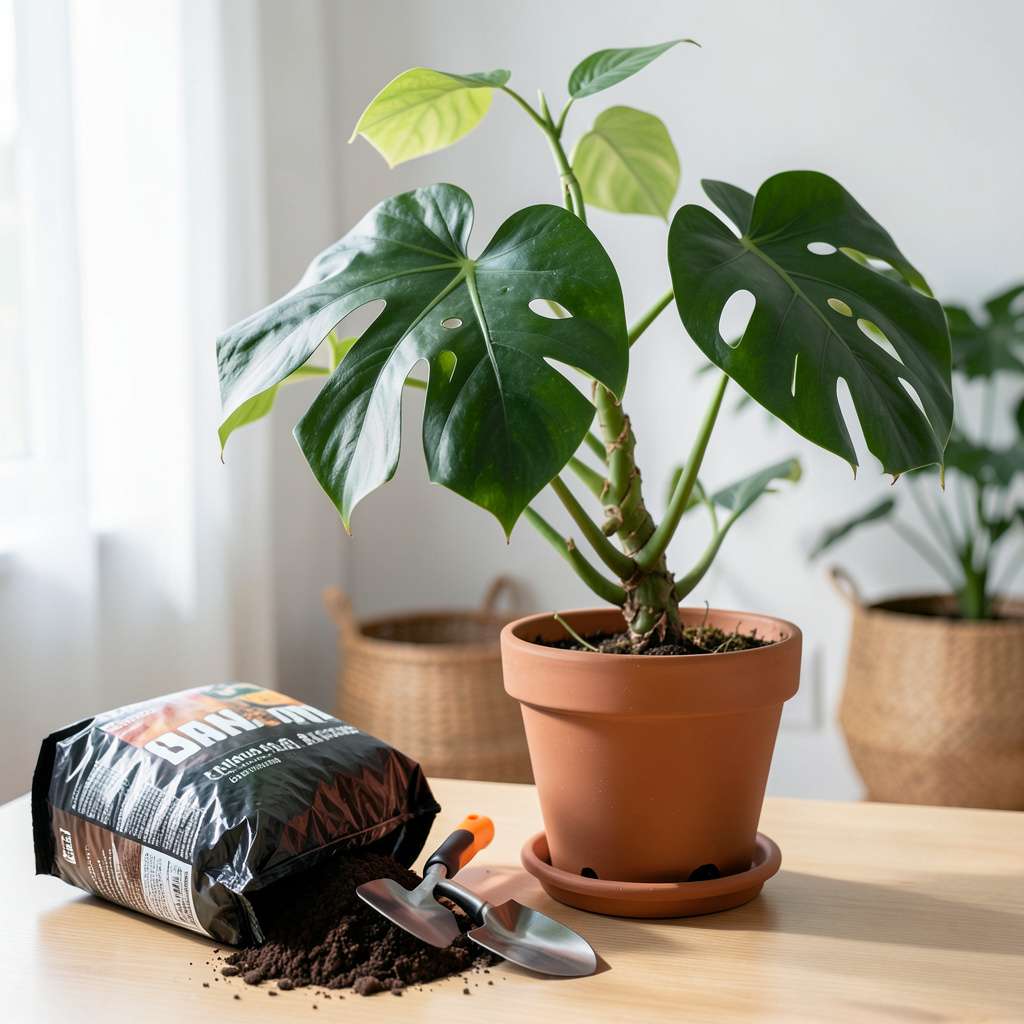
Repot your Monstera every 1-2 years or when roots emerge from drainage holes. Choose a pot 2-3 inches larger with fresh well-draining soil, then gently loosen roots before transferring. Water thoroughly after repotting to reduce transplant shock.
I’ve learned through experience that Monstera plants give clear signals when they’re ready for a new home. 🌿 Those roots circling the pot bottom or poking through drainage holes aren’t just annoying—they’re suffocating your plant by restricting nutrient uptake. What many beginners miss is how seasonal timing affects recovery: spring repotting gives your Monstera the entire growing season to establish in its new space.
What makes this process so rewarding is seeing how quickly a properly repotted Monstera bounces back. The fresh soil provides essential nutrients while the slightly larger pot gives roots room to expand without becoming waterlogged. I always recommend using a mix with orchid bark and perlite—this mimics their natural epiphytic environment better than standard potting soil ever could.
💡 In This Article
Your Monstera sends clear distress signals when it’s time for a new container. The most obvious sign is roots escaping through drainage holes or circling the pot’s interior—this indicates the plant has become root-bound.
Less visible but equally important are slowed growth rates (fewer than 2-3 new leaves per month during growing season) and yellowing lower leaves despite proper care. These symptoms occur because the depleted soil can no longer support the plant’s nutritional needs.
Timing matters more than you might think. Spring and early summer (March-June) are ideal because your Monstera enters its active growth phase. The warmer temperatures and increased daylight trigger faster root development, helping the plant recover from transplant shock within 2-3 weeks rather than months.
🌱 Repotting in fall or winter forces the plant to redirect energy to root establishment when it should be conserving resources—a mistake I’ve seen stunt growth for entire seasons.
The science behind repotting benefits is fascinating. Fresh soil provides renewed access to nitrogen, phosphorus, and potassium—the three macronutrients Monstera craves. More importantly, the increased pot size (ideally 2-3 inches wider in diameter) allows roots to expand without becoming waterlogged.
In their natural habitat, Monsteras grow as epiphytes with roots exposed to air—this is why proper aeration in potting mix is non-negotiable for preventing root rot.
What most plant parents don’t realize is how repotting affects the entire plant system. When roots become constricted, they can’t absorb water efficiently, leading to dehydration symptoms even when you’re watering regularly.
The stress also reduces the plant’s ability to photosynthesize effectively, which is why you might notice smaller leaves or less fenestration (those beautiful splits) in a root-bound Monstera. ✨
Consider these growth stage benchmarks:
The “wait until it’s struggling” approach does more harm than good.
I’ve rescued Monsteras where the roots had completely replaced the soil—these plants took months to recover. Proactive repotting every 18-24 months prevents this stress while giving you a chance to inspect roots for pests or disease. Think of it as a wellness check that keeps your Monstera thriving for decades. 💚
Check for roots growing through drainage holes or circling the pot’s bottom. Other signs include slowed growth (fewer than 2 new leaves per month) or water running straight through the soil. If you see these, it’s time for a new home.
Terracotta or unglazed ceramic pots work best because they’re porous and help prevent overwatering. Plastic pots retain more moisture, which can lead to root rot if you’re not careful. Always choose pots with multiple drainage holes regardless of material.
Regular potting soil is too dense and can suffocate roots. Create a mix with 40% peat/coco coir, 30% orchid bark, and 30% perlite for proper aeration. This mimics their natural epiphytic environment and prevents waterlogging.
Most Monsteras recover within 2-3 weeks when repotted in spring/summer. You might see some drooping initially—this is normal transplant shock. Keep the plant in bright, indirect light and maintain consistent moisture (not soggy) during recovery.
Choosing a pot that’s too large is the most common error. A pot more than 3 inches wider than the current one holds excess moisture, leading to root rot. Also, many forget to loosen the root ball before repotting, which prevents roots from spreading into fresh soil.
