
Beautiful Plants For Your Interior
Beautiful Plants For Your Interior
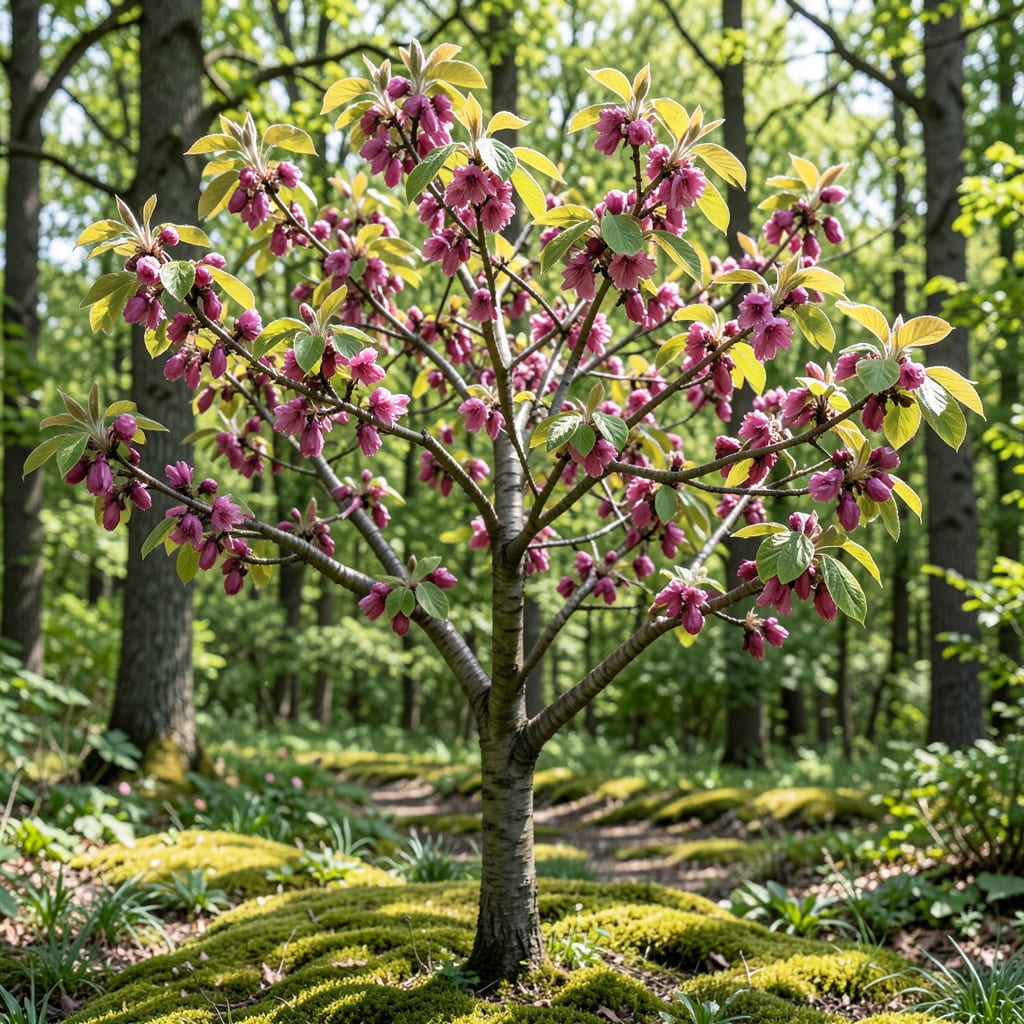
That first spring when my redbud unfurled its heart-shaped leaves, I understood why gardeners obsess over this tree. It transforms bare branches into a cloud of pink blooms before the foliage even appears.
Plant it in well-draining soil with full sun to partial shade, and you’ll get decades of stunning color with minimal fuss. The leaves emerge bronze, turn glossy green, then finish with golden hues in fall.
📚 In This Guide
Here’s the method I’ve used to establish healthy redbuds that thrive for decades with those iconic heart-shaped leaves.
Select a spot with partial sun to light shade—morning sun with afternoon protection works best. Redbuds tolerate full sun but may scorch in hot climates without consistent moisture. Avoid low-lying areas where water pools, as soggy roots will rot the tree over time.
The soil should drain well but retain some moisture. Test by digging a 12-inch deep hole and filling it with water. If it drains completely in 2-3 hours, you’ve found a good location. These trees prefer slightly acidic to neutral pH, common in most garden soils.
Dig a hole that’s twice as wide as the root ball but no deeper. A wider hole encourages roots to spread outward quickly, establishing the tree faster. Rough up the sides of the hole with your shovel to help roots penetrate the surrounding soil.
If your soil is heavy clay or very sandy, mix in 20-30% organic matter like compost to improve drainage and fertility. But don’t overdo it—too much amendment can create a “pot effect” where roots circle instead of growing outward. Remove any rocks, weeds, or debris from the hole.
Gently remove the tree from its container, supporting the root ball to prevent it from breaking apart. If the roots are tightly bound, use your fingers to loosen them slightly—this helps them grow outward into the surrounding soil rather than continuing to circle.
Place the tree in the hole so the top of the root ball sits 1-2 inches above ground level. This accounts for settling. The flare where the roots meet the trunk should be visible above soil; burying it too deep can lead to rot and long-term health issues. Backfill with native soil, tampering lightly as you go to eliminate air pockets.
After planting, water deeply with 10-15 gallons of water to settle the soil around the roots. This also helps eliminate any remaining air pockets. The soil should feel moist but not waterlogged—you want it to hold together when squeezed but not drip.
Apply a 2-3 inch layer of organic mulch like wood chips or shredded bark around the base, keeping it 6 inches away from the trunk. Mulch retains moisture, suppresses weeds, and protects roots from temperature extremes. Check weekly and water when the top 2 inches of soil feel dry.
For the first 6-8 weeks, check soil moisture every 2-3 days. Newly planted trees need consistent moisture to establish roots. After that, water deeply once a week unless rainfall provides at least 1 inch of water.
Watch for signs of stress like wilting or yellowing leaves. If you notice these, check soil moisture first—either too much or too little water is usually the culprit. Once established, redbuds are relatively drought-tolerant but will perform best with regular care during dry spells.
Here’s what I’ve learned the hard way to ensure your tree thrives for decades.
Location Testing: That 12-inch deep drainage test in Step 1 is non-negotiable. If water sits longer than 2-3 hours, find a new spot. I’ve lost trees to root rot by skipping this simple check.
Planting Depth: In Step 3, resist the urge to bury the root ball flush with the ground. Those 1-2 inches above ground level really do account for settling, and the visible root flare prevents long-term rot issues I’ve seen ruin otherwise healthy trees.
Watering Wisdom: The 10-15 gallons in Step 4 might seem excessive, but it’s the deep soak that eliminates air pockets. After that, checking the top 2 inches of soil weekly prevents both drought stress and overwatering.
Mulching Mistake to Avoid: Keep that 2-3 inch mulch layer at least 6 inches from the trunk. I learned this after seeing “volcano mulching” cause bark rot on a young redbud—it’s a surprisingly common mistake.
Early spring or fall is ideal for planting redbuds. This timing allows roots to establish before extreme heat or cold. Avoid planting in summer’s peak to reduce stress on the tree.
Water young trees weekly (1-2 inches) and mulch to retain moisture. Prune dead branches in late winter. Redbuds thrive in well-drained soil and partial to full sun.
Yes! Consider Cercis canadensis cultivars like ‘Lavender Twist’ or ‘Forest Pansy.’ For non-redbuds, try Catalpa or Sweetgum for comparable leaf shapes.
Yellow leaves often signal overwatering, poor drainage, or nutrient deficiencies. Check soil moisture and fertility. If the issue persists, test for pests or diseases like verticillium wilt.
