
Beautiful Plants For Your Interior
Beautiful Plants For Your Interior
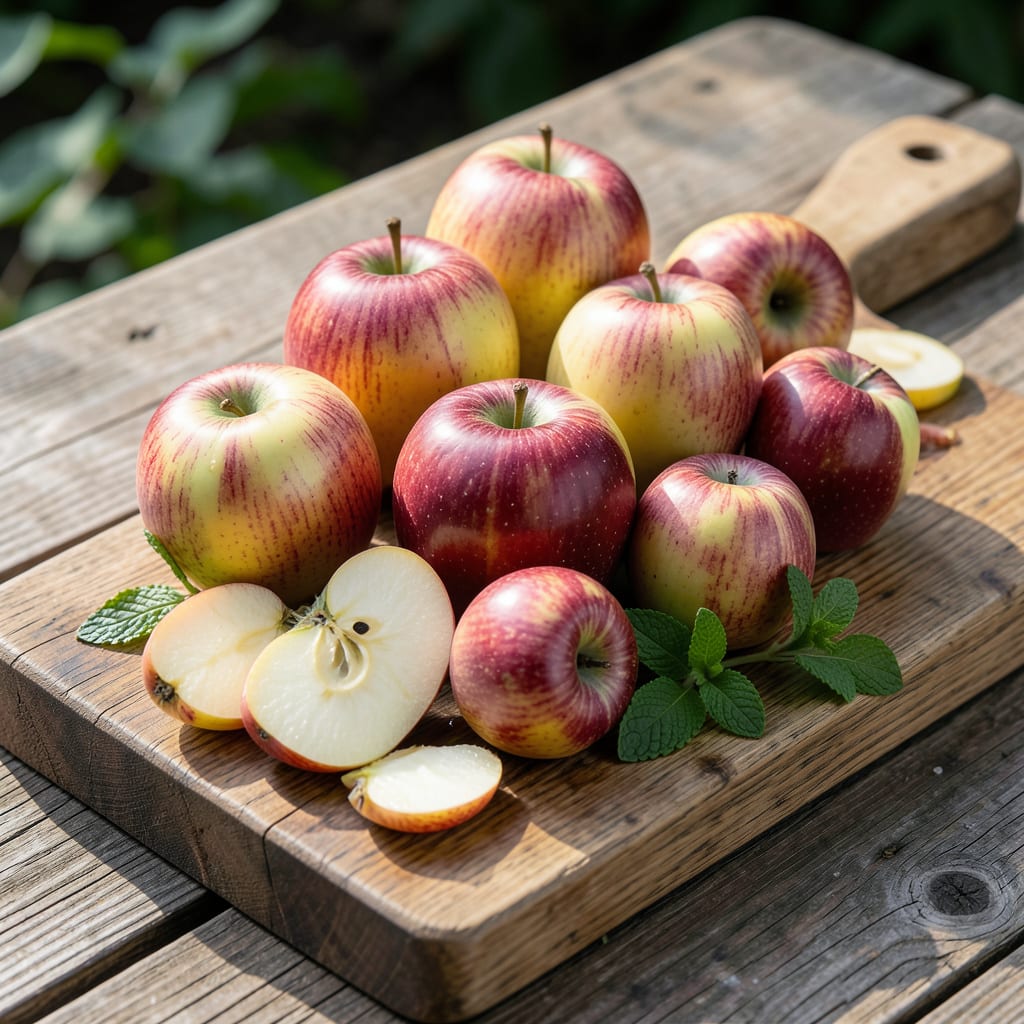
Red spots on your apples can send any gardener into panic mode. I’ve seen my share of these blemishes—some harmless, others signaling serious trouble for your tree and future harvests.
The culprits range from fungal diseases to pest damage or even environmental stress. Most often, it’s apple scab or cedar-apple rust, but spider mites and nutritional deficiencies can create similar marks.
Organic solutions exist for every cause. Copper sprays, neem oil, and proper sanitation can stop most fungal issues, while beneficial insects handle pest problems naturally.
Prevention is simpler than cure. Good airflow, resistant varieties, and spring cleanup of fallen leaves make all the difference for next season’s fruit.
Red spots on apples can stem from several biological and environmental factors. Understanding these causes helps in preventing and treating the issue effectively.
One of the most common culprits is apple scab, caused by the fungus Venturia inaequalis. This pathogen thrives in wet, cool conditions, producing dark, scab-like lesions that may appear reddish on certain apple varieties. Another fungal issue, powdery mildew, can also lead to red discoloration on leaves and fruit.
Insects like the apple maggot or codling moth lay eggs in the fruit, leading to internal damage that manifests as red or brown spots on the apple’s skin. Mite infestations, such as those from the European red mite, can also cause stippling and reddening of the apple surface.
Extreme weather conditions, such as sunburn or hail damage, can create red or brown spots on apples. Prolonged exposure to high temperatures or ultraviolet light can scorch the fruit’s skin, while hail can bruise the surface, leading to discoloration.
A lack of essential nutrients, particularly calcium or boron, can result in physiological disorders like bitter pit or cork spot. These conditions often present as small, reddish depressions on the apple’s surface and are more common in sandy or low-organic-matter soils.
Dealing with red spots on apples often means addressing specific causes. Here’s how to tackle each issue effectively, along with prevention tips to keep your fruit healthy and spot-free.
Fix: Remove infected leaves and fruit immediately to stop the spread. Apply copper-based fungicides or neem oil during the growing season, following label instructions. Prune trees to improve airflow, as moisture fuels fungal growth.
Prevention: 💡 Rake and destroy fallen leaves in autumn to eliminate overwintering spores. Plant disease-resistant apple varieties like ‘Liberty’ or ‘Enterprise’.
Fix: Spray affected trees with insecticidal soap or horticultural oil to smother pests. For severe infestations, introduce beneficial insects like ladybugs or lacewings.
Prevention: 🎯 Monitor trees regularly for early signs of pests. Encourage natural predators by planting companion plants like dill or marigolds nearby.
Fix: If sunburn is the culprit, provide temporary shade using shade cloth during peak sunlight hours. Ensure trees are well-watered to reduce heat stress.
Prevention: ✨ Thin fruit early in the season to prevent overcrowding, which can expose apples to excessive sun. Mulch around the base to retain soil moisture.
Fix: Wash apples thoroughly with a mixture of water and baking soda (1 teaspoon per 2 cups of water) to remove surface residues. For organic growing, avoid synthetic chemicals entirely.
Prevention: 🌡️ Use organic or integrated pest management (IPM) practices. Always follow application guidelines to minimize residue buildup.
Fix: Handle apples gently during picking and storage. Sort and discard any bruised fruit immediately to prevent spoilage from spreading.
Prevention: Store apples in a cool, dark place with good ventilation. Use padded containers to reduce impact damage during transport.
Yes, in most cases! Surface blemishes from sunburn or minor fungal issues don’t affect the inner fruit. Just wash thoroughly and peel if concerned. Discard only if the flesh shows rot or mold.
Start with fall cleanup of all leaves and fruit debris. Apply copper spray in early spring before buds open. Plant disease-resistant varieties for long-term protection.
Remove affected leaves and fruit immediately. Apply neem oil or baking soda spray (1 tbsp per 1 gallon of water) every 7-10 days until the issue clears.
Indirectly, yes. Excess moisture creates ideal conditions for fungal growth. Ensure good drainage and avoid wetting leaves during watering to reduce risk.
